
Areas Our Plumbers Serve
Our team covers cities across Ontario and nearby communities:



 Call us and we’ll come to you (888) 998-2195


Achievements of Maple Leaf Plumber




Hundreds of verified reviews

Very quick frozen pipe repair and super respectful technician.
Very knowledgeable technician and no unnecessary upselling. Well pump repair was done properly the first time.
Needed a new drain line installed during renovations at our Elder Mills property and Maple Leaf Plumbers coordinated everything smoothly with the contractors already working there.
Good communication, honest pricing, and no more sewer smell.
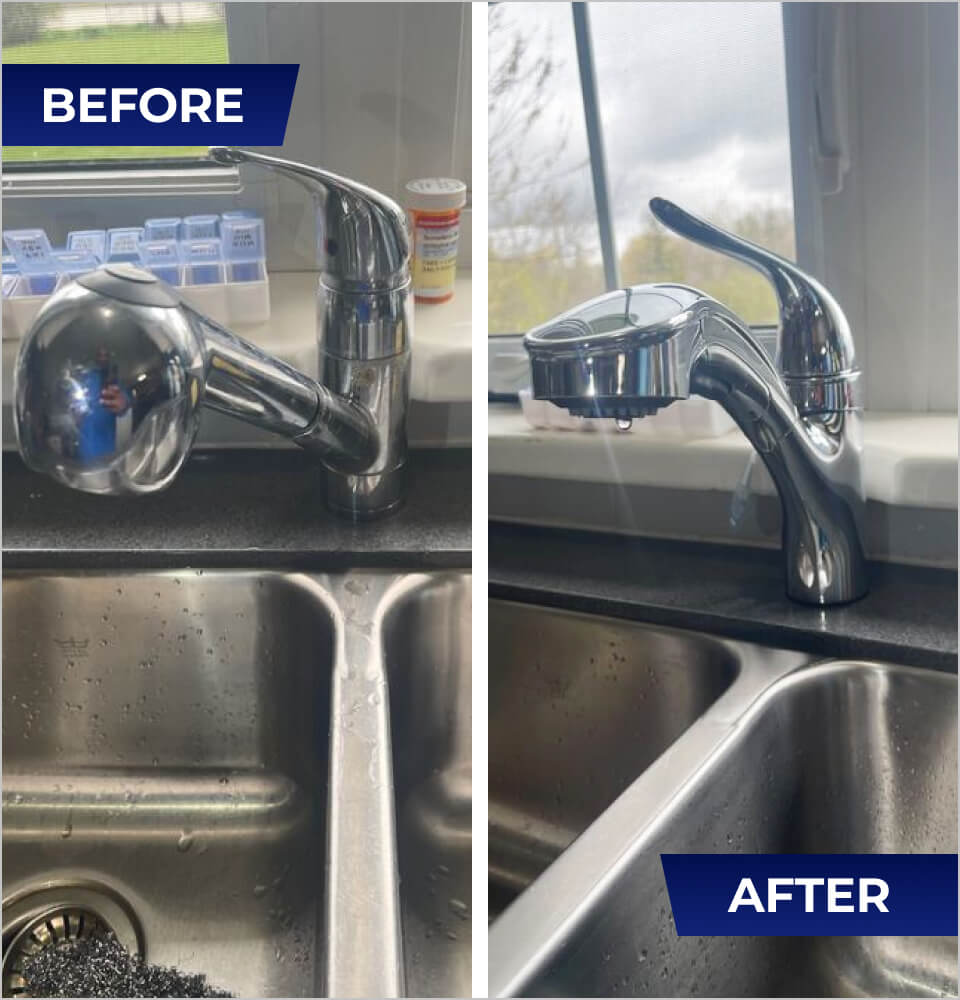
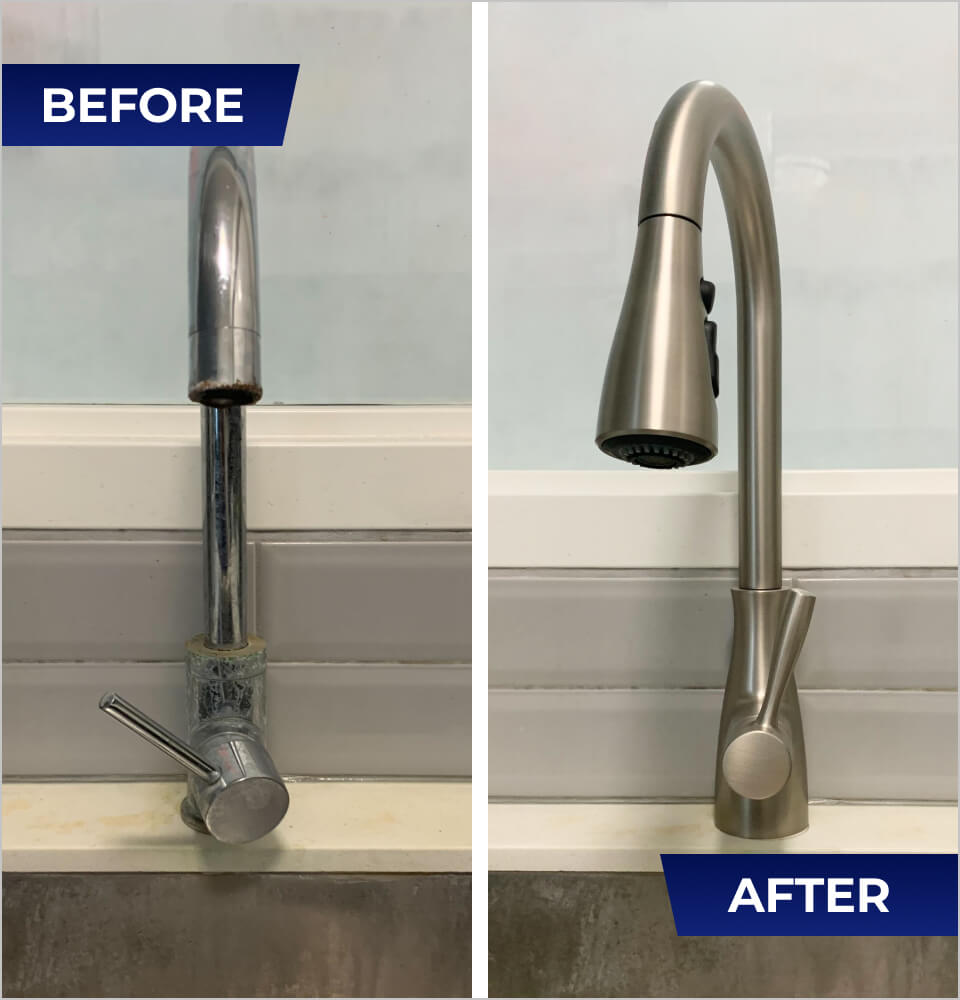
Bought a fancy kitchen faucet online and realized halfway through trying to install it that I was way over my head. The technician came to our place and had it installed perfectly.
Our office in Concord started getting a sewer smell near the washrooms and employees were complaining nonstop. Maple Leaf Plumbers cleaned the line out properly and explained exactly what caused the issue.
Reliable emergency service and the technician stayed until everything was fully checked.
We’d been dealing with slow drains for over a year at our home and nothing lasted longer than a few weeks. Hydro jetting finally solved the problem properly.
Really smooth shower repair service. Everything’s working perfectly again. The technician was fast, reliable and easy to deal with.
Our kitchen sink kept backing up every Sunday like clockwork and it was getting ridiculous. Maple Leaf Plumbers finally figured out there was a buildup deeper in the line that previous companies completely missed. Haven’t had an issue since.
We noticed part of the hardwood floor near the kitchen in our Kleinburg house starting to warp slightly. Maple Leaf Plumbers found a hidden leak before it caused major damage.
Feb 22, 2024The toilet in our basement bathroom near Maple GO station wouldn’t stop running and the noise was driving everyone insane at night. The technician fixed it way quicker than expected.
Feb 22, 2024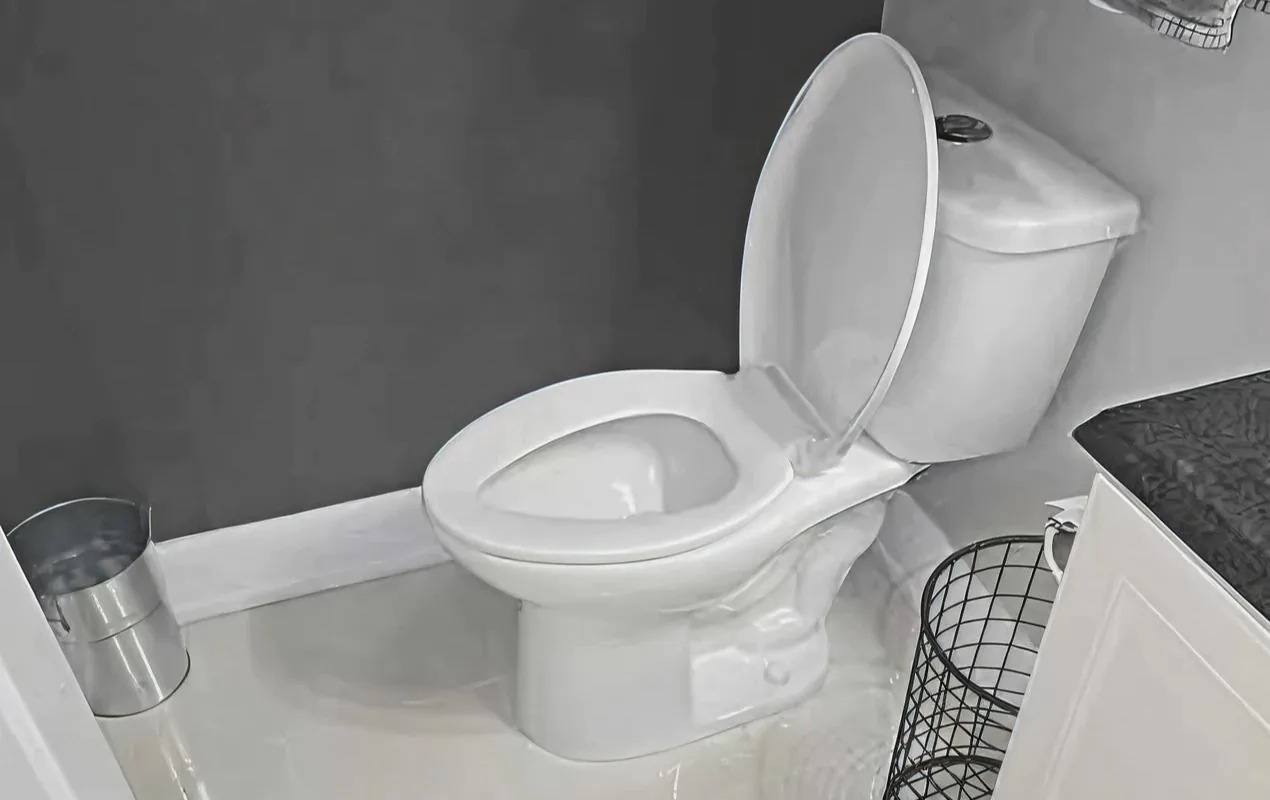
A safe and dependable water supply is essential for every property, whether it relies on a municipal connection or a private source. A professional water test plays a crucial role in determining whether the water entering a plumbing system is suitable for everyday use, consumption, and long-term reliability. Unlike visible plumbing concerns such as toilet repair or shower drain repair, water quality issues often remain hidden until they begin causing damage or health concerns. Even clear, odorless water may contain minerals, corrosive properties, or contaminants that slowly compromise plumbing performance.
Water testing goes beyond basic safety checks. It provides insight into how water interacts with pipes, fixtures, and mechanical components throughout the system. Poor water quality can accelerate deterioration, leading to valve replacement, persistent leaks requiring leak detection, or premature fixture failure. Identifying these conditions early helps protect the plumbing infrastructure and reduces unexpected repair costs.
Water composition directly affects how plumbing systems age and perform. High mineral content contributes to internal scaling, which restricts water flow and causes pressure inconsistencies. Corrosive water gradually weakens pipes, fittings, and seals, increasing the likelihood of hidden leaks that eventually demand professional leak detection services. These problems often develop silently and are mistaken for isolated plumbing failures.
Homes that experience recurring problems, such as bathroom sink backing up or kitchen sink backing up, may be facing water-quality-related buildup rather than traditional drainage issues. Sediment and mineral residue can accumulate in traps and branch lines, mimicking blockages. A proper water test helps determine whether the supply itself is contributing to these ongoing concerns.
Every plumbing fixture depends on stable water chemistry to function as designed. Toilets, showers, faucets, and appliances are engineered for specific pressure and mineral thresholds. When water contains excessive minerals or aggressive chemical properties, it places ongoing stress on cartridges, washers, and internal components. Over time, this leads to an increased need for bathroom faucet repair, repeated kitchen faucet repairs, and a shortened fixture lifespan.
Shower systems are especially sensitive to poor water quality. Mineral accumulation in valves and cartridges interferes with operation, causing inconsistent temperature control and reduced flow. These symptoms are often mistaken for mechanical failure, leading to unnecessary shower repair work. A detailed water test helps distinguish between component failure and water-related issues, enabling accurate solutions.
For properties supplied by private wells, routine water test services are essential. Groundwater quality can shift due to seasonal changes, nearby construction, agricultural runoff, or environmental conditions. Even with proper well pump installation, contaminants such as bacteria, sediment, or nitrates may still enter the system.
Regular testing ensures that water quality does not undermine system performance or lead to frequent well-pump repairs. It also protects pressure tanks, valves, and fixtures from premature wear caused by sediment or corrosive water. In many cases, unexplained pressure loss or uneven flow throughout the home can be traced back to untreated water quality issues rather than pump malfunction.
Although water testing focuses on supply quality, it also has a significant impact on drainage systems. Mineral-heavy water contributes to residue buildup inside drain lines, increasing the need for drain snaking or sewer line cleaning over time. This buildup restricts flow and accelerates internal pipe wear, often leading to drain repair or more extensive sewer repair.
In bathrooms, poor water quality can worsen conditions that require replacing shower drain components or repeated shower drain repair. In kitchens, mineral-rich water promotes grease adhesion, increasing the frequency of kitchen sink backups. A water test helps identify whether these recurring issues are linked to the supply rather than usage habits alone.
Preventive plumbing care depends on understanding underlying conditions before failures occur. Water testing provides valuable data that supports long-term system planning. By identifying corrosive or mineral-heavy water early, property owners can protect pipes, fixtures, and appliances before damage becomes severe.
This proactive approach complements other services, such as valve replacement and targeted leak detection, by addressing root causes rather than repeatedly fixing symptoms. In properties that rely on sump pump installation or ongoing sump pump repair, water testing also helps assess groundwater conditions that may influence pump efficiency and discharge behavior.
Beyond system performance, water testing is critical for occupant health. A professional water test identifies these hazards accurately and provides clear guidance on corrective measures when needed.
Maintaining reliable water quality safeguards not only the drinking water supply; it also ensures that water for bathing, food preparation, and everyday cleaning remains safe, making it a critical responsibility in effective property upkeep.
Certain conditions increase the need for immediate water testing. Moving into a new property, completing major plumbing upgrades, or experiencing unexplained system issues are strong indicators that a water test should be performed. After services such as toilet installation, shower installation, or significant pipe work, testing confirms that water quality has not been compromised.
Environmental events such as flooding, prolonged heavy rainfall, or nearby excavation can also alter water composition. Routine testing provides reassurance that water remains safe and compatible with the plumbing system.
Interpreting water test results requires technical understanding. Raw data alone does not explain how water conditions will affect plumbing components over time. Professional analysis translates findings into practical recommendations, helping property owners understand whether water quality is contributing to recurring issues such as frequent faucet repairs or unexplained leaks.
For example, corrosive water conditions often explain repeated valve replacement, while high mineral content may account for scaling that reduces fixture efficiency. Understanding these relationships enables targeted solutions rather than repeated trial-and-error repairs.
A consistent water test routine supports long-term plumbing reliability by identifying conditions that influence system aging.
When combined with preventive services, water testing helps reduce unexpected failures, protects investments in plumbing improvements, and ensures stable performance across the entire system.
Long-Term Safety, Compliance, And Preventive Planning
While initial water testing identifies immediate concerns, advanced water testing analyzes how water quality affects plumbing systems over time. Long-term exposure to poor water conditions gradually weakens pipes, valves, and fixtures, often leading to failures that appear unrelated on the surface. Many plumbing emergencies, including sudden leaks or pressure loss, result from water chemistry issues that were never addressed at the source.
A comprehensive water test evaluates mineral content, corrosive tendencies, biological contaminants, and sediment levels. This information is essential for protecting systems that support daily operations, from basic fixtures to complex installations. Without this insight, property owners may find themselves repeatedly scheduling leak detection, valve replacement, or unexpected repairs that could have been avoided through early testing and planning.
Early Signs
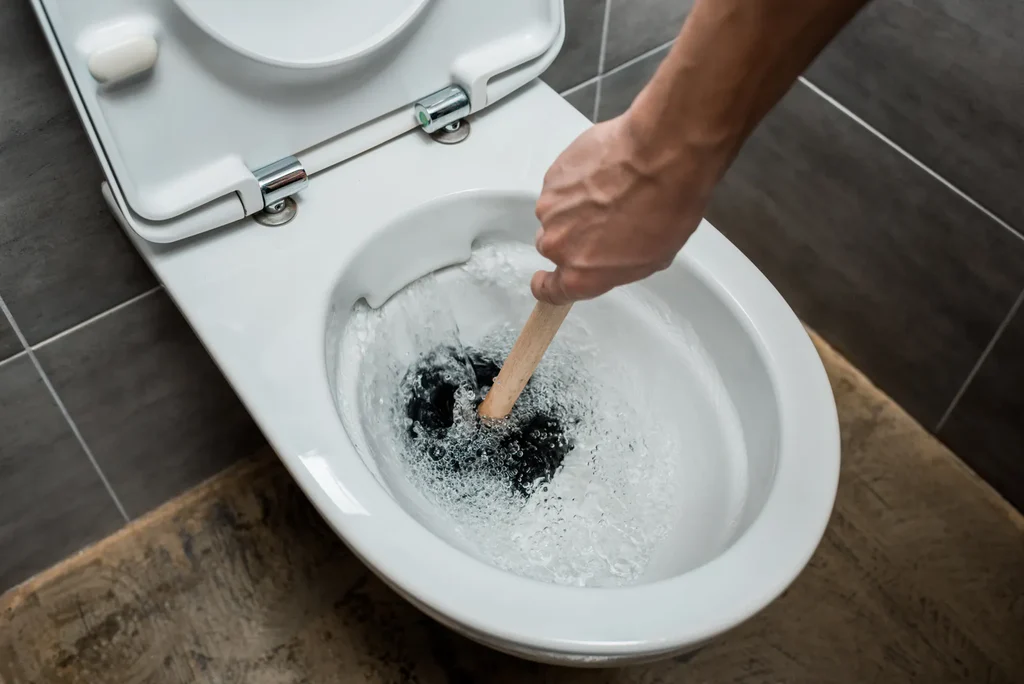
Pipes are constantly exposed to water flow, making
them highly vulnerable to chemical and mineral interactions. Corrosive water slowly eats away at metal piping, weakening joints and increasing the risk of pinhole leaks. These leaks often go unnoticed until structural damage occurs, requiring invasive repairs and professional leak detection services to locate the source.
At the other end, mineral-rich water leads to internal scaling. This added stress affects fixtures and valves, leading to failures that result in frequent toilet repairs, reduced shower performance, and premature faucet wear. A detailed water test helps identify which of these risks is present and how aggressively it may affect the system.
Maple Leaf Plumber tests water for common concerns such as bacteria, minerals, hardness, and chemical contaminants. Our thorough testing process helps identify issues that may affect taste, odor, plumbing performance, or overall water safety

 01
01
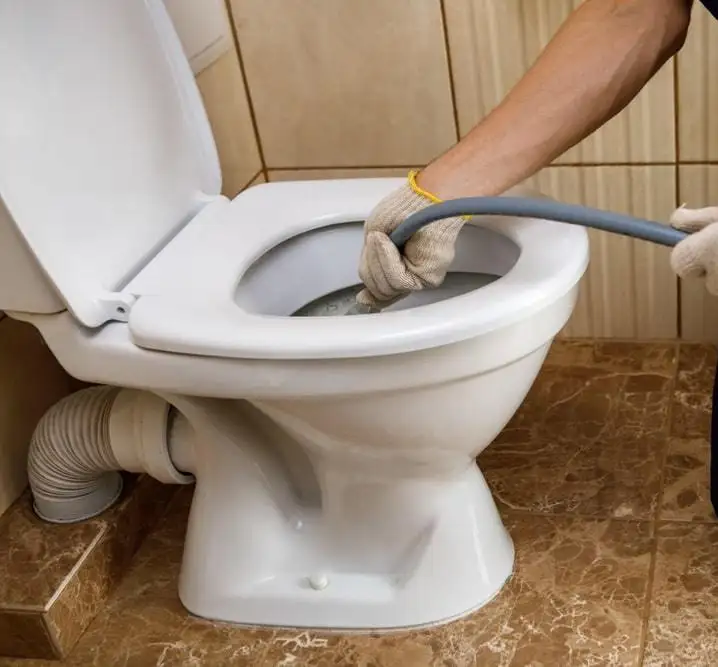
We examine:
 02
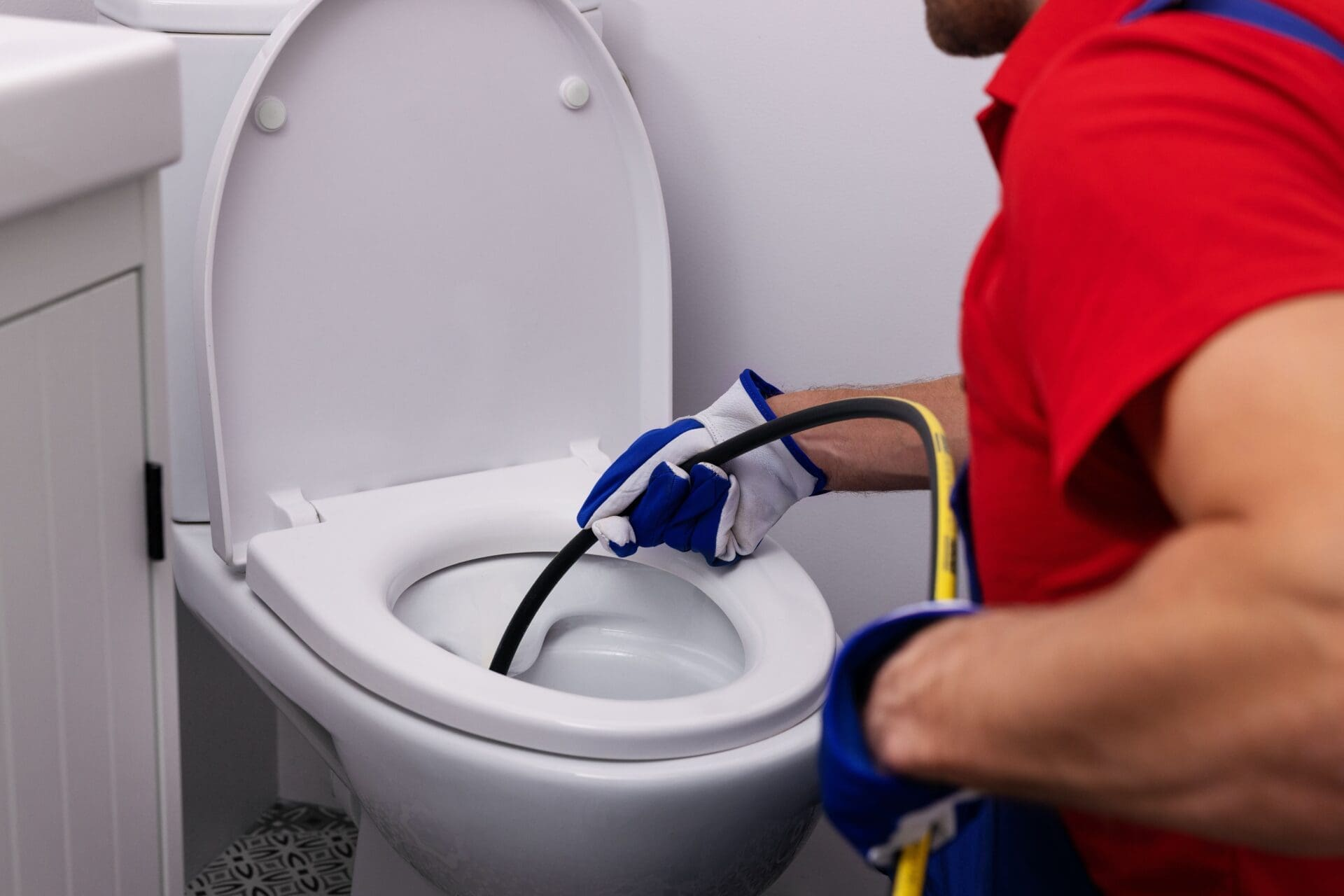
02 We assess:
 03
03 We repair or replace:
 04
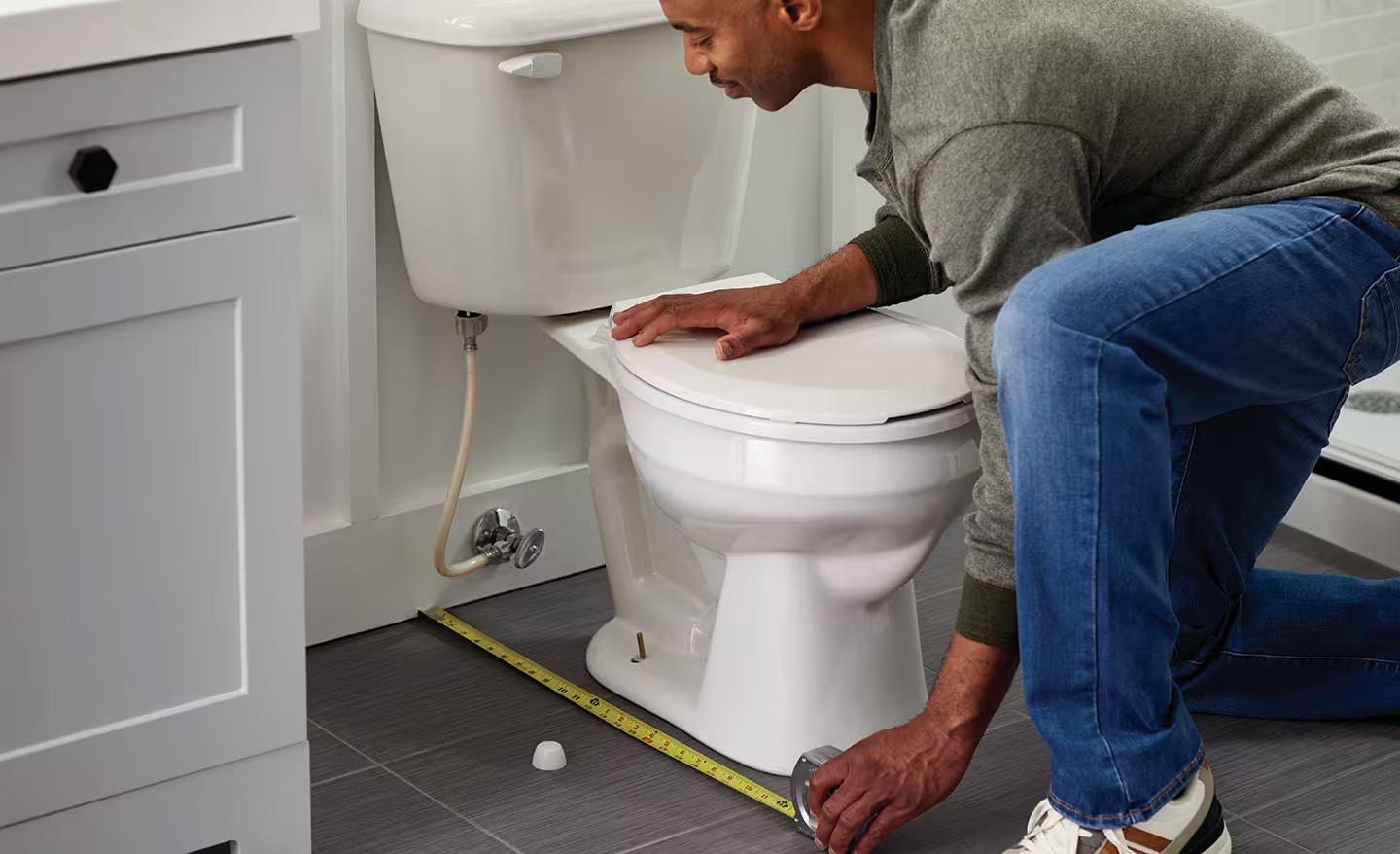
04 We confirm:
Pipes are constantly exposed to water flow, making them highly vulnerable to chemical and mineral interactions. Corrosive
water slowly eats away at metal piping, weakening joints and increasing the risk of pinhole leaks. These leaks often go unnoticed until structural damage occurs, requiring invasive repairs and professional leak detection services to locate the source. At the other end, mineral-rich water leads to internal scaling. This added stress affects fixtures and valves, leading to failures that result in frequent toilet repairs, reduced shower performance, and premature faucet wear. A detailed water test helps identify which of these risks is present and how aggressively it may affect the system.
Fixtures and appliances depend on consistent water quality to function efficiently. When water chemistry is unbalanced, appliances
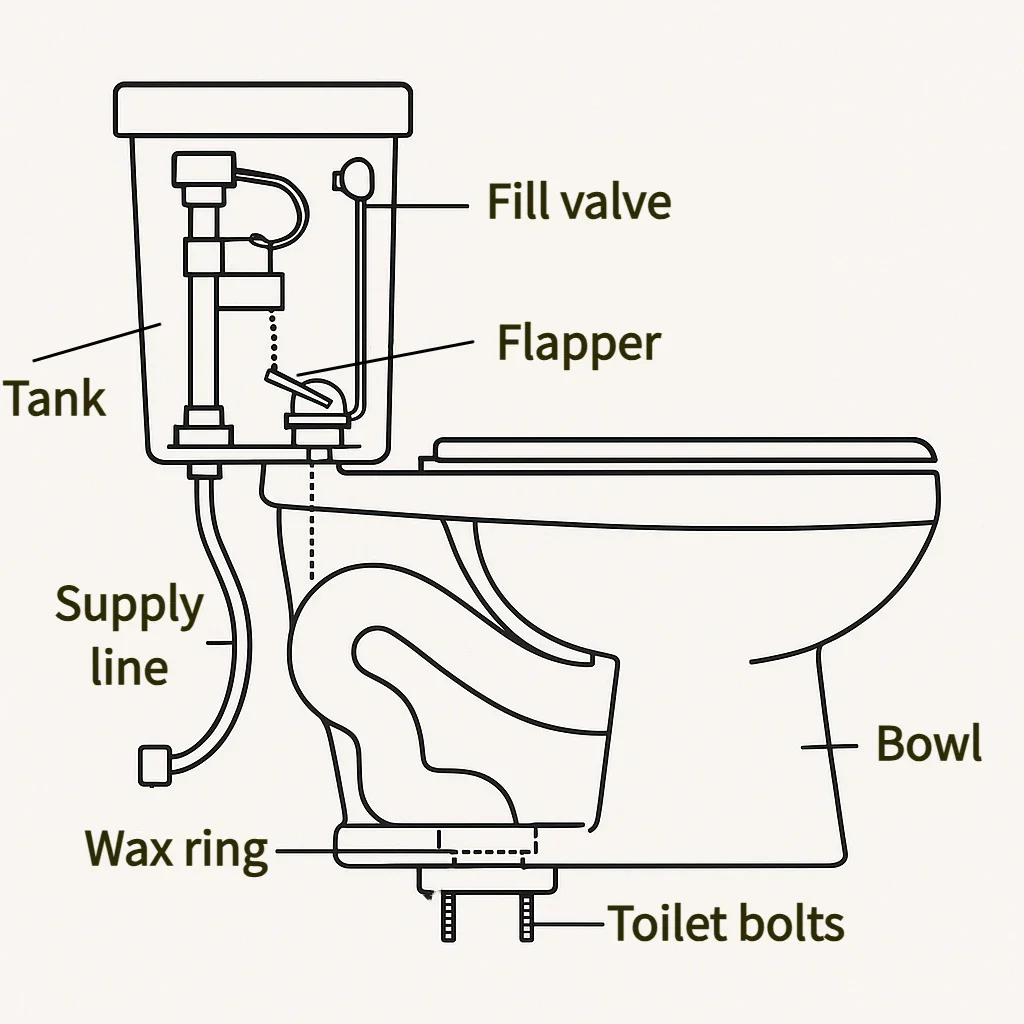
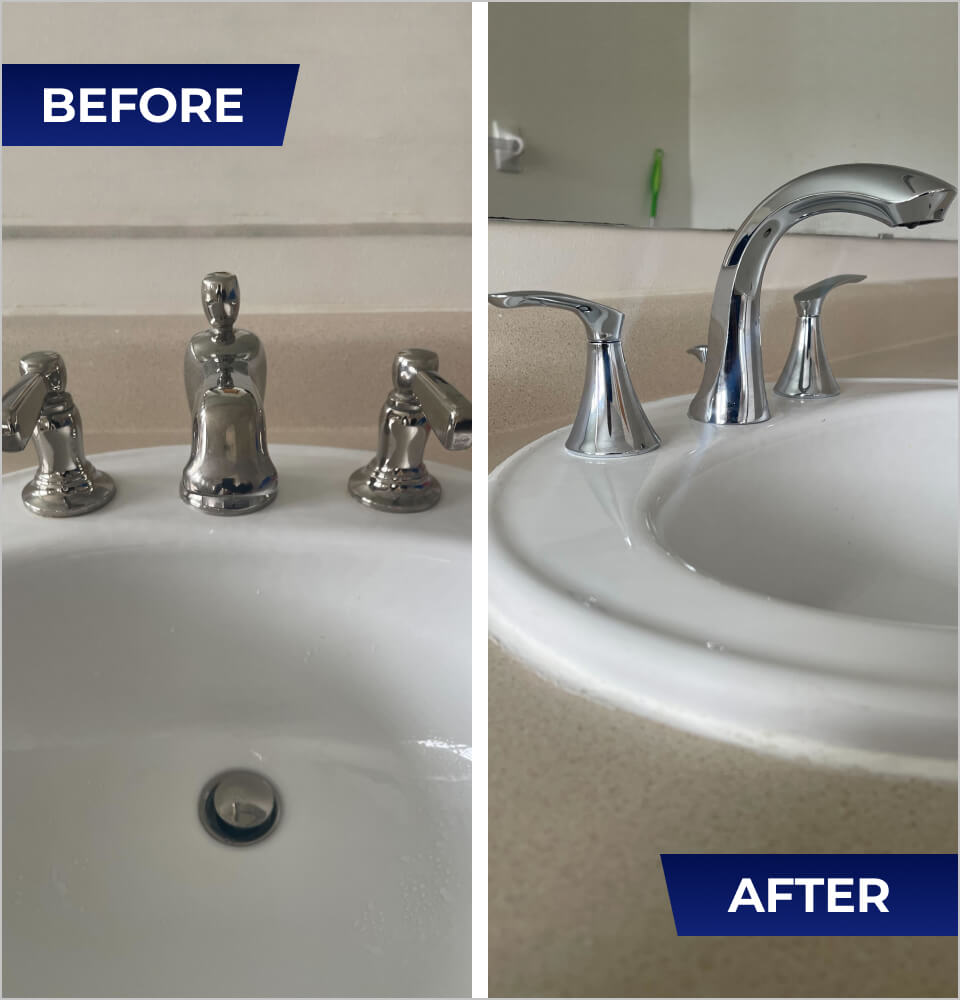
such as dishwashers, washing machines, water heaters, and filtration systems are more likely to experience wear, reduced efficiency, and premature failure. Excess minerals coat internal components, while corrosive water damages seals and fittings. In bathrooms, these conditions often lead to repeated bathroom faucet repair, inconsistent shower temperatures, and internal valve issues that require professional intervention. Kitchens experience similar problems, with kitchen faucet repair becoming more frequent as cartridges and aerators degrade faster than expected. By performing a water test, property owners gain insight into why fixtures are failing prematurely and can take steps to protect future installations.
Although water testing focuses on supply quality, it also plays a significant role in maintaining healthy drain systems. Mineral residue contributes to buildup inside drain lines, increasing the likelihood of slow drainage and recurring service calls for drain snaking. Over time, these deposits harden and trap debris, leading to more serious issues that require sewer line cleaning or structural drain repair.
In bathrooms, mineral-rich water worsens hair and soap buildup, increasing the need for repeated shower drain repairs. In kitchens, it accelerates grease adhesion, leading to more frequent kitchen sink backups. A water test helps determine whether these patterns stem from water quality issues rather than improper use.
Properties that rely on private water systems depend heavily on stable water quality for pump performance. Sediment and corrosive elements place additional strain on pump components, increasing the likelihood of breakdowns and the need for well pump repair. Even with proper installation, untreated water conditions can shorten pump lifespan and reduce efficiency.
Similarly, properties with groundwater management systems benefit from water testing. Mineral content and sediment affect discharge behavior and can contribute to wear, leading to sump pump repair or early sump pump replacement.
In many regions, water quality standards apply to residential, commercial, and rental properties. A professional water test helps ensure compliance with health and safety guidelines, particularly for properties that serve multiple occupants or the public.
Failure to address water quality concerns can lead to liability issues, failed inspections, or disputes during property transactions. Testing provides documented evidence of water conditions, supporting transparency and responsible management.
Renovations and plumbing upgrades are ideal times to perform water testing. After installing new fixtures, pipes, or mechanical systems, a water test confirms that changes have not introduced contaminants or altered water chemistry.
This is especially important after services such as toilet installation, major pipe replacements, or system expansions. Testing ensures that new components will perform as intended and are not immediately exposed to damaging conditions.
Water sources are affected by environmental changes, including construction, seasonal runoff, and climate shifts.
Routine water test services help monitor these changes over time, ensuring that water quality remains stable despite external influences. This ongoing monitoring supports long-term plumbing reliability and reduces the risk of sudden system failures.
Understanding water test results is only valuable when paired with actionable planning. Professional analysis explains how specific findings relate to plumbing performance and outlines the steps necessary to mitigate risks.
For example, identifying corrosive conditions may explain recurring valve replacement, while high mineral levels may justify protective measures to reduce scale-related damage. This informed approach prevents unnecessary repairs and supports strategic system improvements.
Although water testing requires an upfront investment, it often leads to substantial long-term savings. Preventing pipe corrosion,
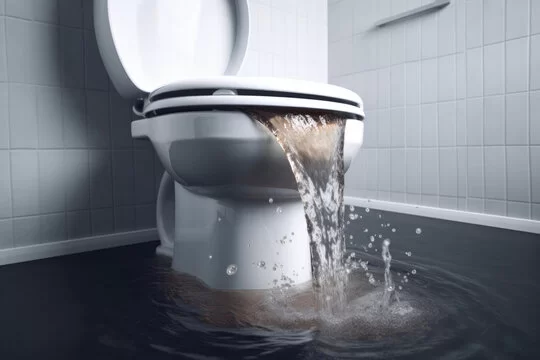
fixture failure, and pump damage reduces emergency service calls and extends equipment lifespan. Avoiding even a single major leak or pump failure can offset years of routine testing costs. By identifying problems early, a water test protects both property value and plumbing investments.
Water testing is not a one-time task; it is an essential component of preventive plumbing care. When performed regularly, it provides ongoing insight into system health and helps guide maintenance decisions. Combined with services such as leak detection, targeted repairs, and system inspections, water testing supports a proactive approach that minimizes disruption and maximizes reliability.
Our team covers cities across Ontario and nearby communities: