

Areas Our Plumbers Serve
Our team covers cities across Ontario and nearby communities:



 Call us and we’ll come to you (888) 998-2195


Achievements of Maple Leaf Plumber





Hundreds of verified reviews

Very quick frozen pipe repair and super respectful technician.
Very knowledgeable technician and no unnecessary upselling. Well pump repair was done properly the first time.
Needed a new drain line installed during renovations at our Elder Mills property and Maple Leaf Plumbers coordinated everything smoothly with the contractors already working there.
Good communication, honest pricing, and no more sewer smell.
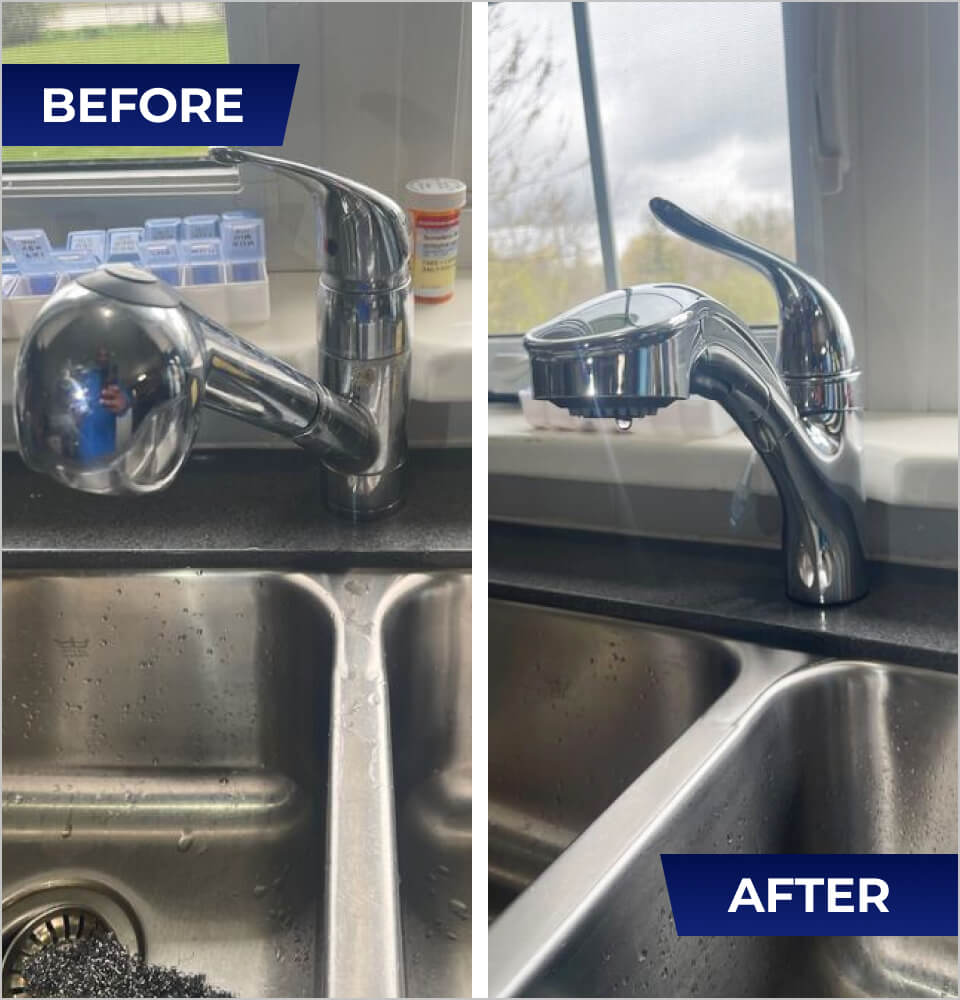
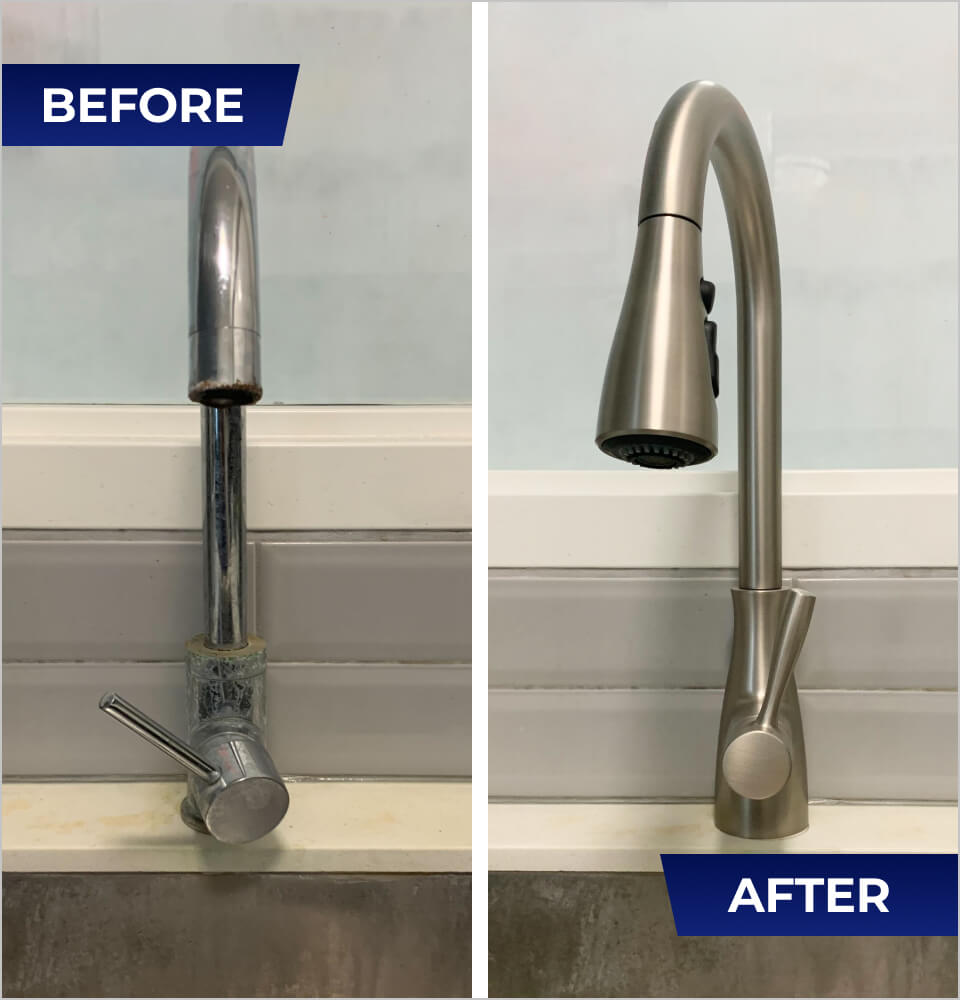
Bought a fancy kitchen faucet online and realized halfway through trying to install it that I was way over my head. The technician came to our place and had it installed perfectly.
Our office in Concord started getting a sewer smell near the washrooms and employees were complaining nonstop. Maple Leaf Plumbers cleaned the line out properly and explained exactly what caused the issue.
Reliable emergency service and the technician stayed until everything was fully checked.
We’d been dealing with slow drains for over a year at our home and nothing lasted longer than a few weeks. Hydro jetting finally solved the problem properly.
Really smooth shower repair service. Everything’s working perfectly again. The technician was fast, reliable and easy to deal with.
Our kitchen sink kept backing up every Sunday like clockwork and it was getting ridiculous. Maple Leaf Plumbers finally figured out there was a buildup deeper in the line that previous companies completely missed. Haven’t had an issue since.
We noticed part of the hardwood floor near the kitchen in our Kleinburg house starting to warp slightly. Maple Leaf Plumbers found a hidden leak before it caused major damage.
Feb 22, 2024The toilet in our basement bathroom near Maple GO station wouldn’t stop running and the noise was driving everyone insane at night. The technician fixed it way quicker than expected.
Feb 22, 2024
Valves are among the most critical yet overlooked components in any plumbing system. They regulate water flow, control pressure, isolate fixtures for maintenance, and protect piping networks from damage caused by sudden pressure changes. Valve replacements are not just corrective actions when a handle breaks or a leak appears. They are essential interventions that restore control, efficiency, and safety across the entire plumbing infrastructure.
Every plumbing system depends on valves to function predictably. From the moment water enters a property until it exits through drains, valves determine how that water behaves. When a valve fails, the effects are rarely limited to one location. Pressure irregularities, fixture malfunctions, and even drainage issues can emerge as indirect consequences. Over time, neglected valve failure contributes to repeated leak-detection findings, premature bathroom-faucet repairs, recurring toilet repairs, and unexpected service calls that appear unrelated but share a common cause.
Valves act as command points within a plumbing network. They allow water to be shut off for maintenance, regulate flow to individual fixtures, and protect systems from overpressure. Without properly functioning valves, even routine tasks such as toilet installation or kitchen faucet installation become complicated and risky.
In residential environments, valves ensure that individual bathrooms or kitchens can be serviced without interrupting the water supply to the entire building. In larger properties, valves segment the system into manageable zones, preventing localized problems from escalating into full-scale outages. When valves fail to close fully or become seized, water continues flowing where it should not, increasing the risk of hidden leaks and structural damage.
Professional valve replacements restore this essential control, ensuring that water flows only where and when intended.
Valve deterioration is rarely sudden. Most failures result from gradual wear caused by mineral buildup, corrosion, thermal expansion, and repeated mechanical use. Over time, this leads to valves that no longer close completely or that leak internally even when shut.
Corrosion is another major contributor. Aging metal valves weaken from the inside out, often remaining functional until a critical failure. When these valves fail, they often do so during unrelated plumbing work, such as bathroom faucet installation or shower repair, turning routine service into an emergency.
Replacing deteriorated valves before they fail prevents unexpected water loss and reduces the likelihood of emergency shutdowns.
One of the most overlooked consequences of valve failure is pressure imbalance. Valves that do not open fully restrict flow, while valves that cannot close properly allow pressure to fluctuate unpredictably. These fluctuations affect every connected fixture.
Homeowners may notice inconsistent shower temperatures, weak sink and toilet flow, or toilets that refill erratically. These symptoms often prompt fixture-specific repairs, such as bathroom faucet repair or repeated toilet repair, without addressing the underlying valve issue. In reality, faulty valves upstream are frequently responsible for these performance problems.
Professional valve replacements stabilize pressure across the system, restoring predictable performance and reducing stress on fixtures and appliances.
Not all valve leaks are visible. Many occur internally, allowing water to bypass seals and escape slowly into wall cavities or floors. These leaks often remain undetected until significant damage occurs, at which point leak detection becomes necessary to locate the source.
Hidden valve leaks are particularly dangerous because they can persist for extended periods without triggering alarms. Moisture spreads through structural materials, weakening framing and encouraging mold growth. By the time surface damage appears, repairs may involve removing drywall, replacing flooring, and performing extensive remediation.
Timely valve replacements eliminate these hidden risks, stopping leaks at their source and protecting surrounding structures.
Although valves are part of the supply side, their failure can indirectly affect drainage systems. Pressure instability caused by faulty valves alters flow rates, potentially disrupting trap seals and drainage balance.
In bathrooms, these symptoms are often misdiagnosed as drain problems, leading to unnecessary shower drain repair or repeated cleaning attempts. In kitchens, homeowners may experience conditions such as a kitchen sink backing up, even though the drainage system itself is not obstructed.
Replacing malfunctioning valves restores proper flow dynamics, allowing drains to function as designed and preventing misdiagnosis.
Shut-off valves are the first line of defense during plumbing emergencies. When a pipe bursts or a fixture fails, the ability to stop water flow immediately can mean the difference between minor cleanup and major damage. Seized, broken, or inaccessible valves eliminate this protection.
Properties with outdated or non-functional shut-off valves face increased risk during emergencies. A burst line may require shutting off water to the entire building or waiting for municipal intervention, both of which can significantly increase damage. Professional valve replacements ensure that shut-off points are reliable, accessible, and perform when needed most.
This reliability is especially important during services such as toilet, shower, or appliance installations, where water control is essential.
Older plumbing systems often contain valves that no longer meet modern performance or safety standards. These valves may lack proper sealing mechanisms or be constructed from materials prone to corrosion. In many cases, they have not been operated for years, increasing the likelihood of failure when they are finally used.
During renovations or upgrades, such as installing new fixtures or installing a bathroom faucet, these aging valves often fail under stress. Proactively replacing them reduces the risk of service interruptions and unexpected water damage.
Professional valve replacements modernize the system, improving reliability while supporting new plumbing components.
In properties with private water systems, valves play a crucial role in protecting pumps and maintaining stable operation. Faulty valves can cause pressure drops, forcing pumps to cycle excessively, increasing wear, and shortening lifespan.
This is particularly relevant in systems involving well pump repair or well pump installation, where pressure balance is critical. Replacing malfunctioning valves reduces pump strain, improves efficiency, and helps prevent premature equipment failure.
Replacing failing valves is a preventive investment that reduces the frequency of plumbing emergencies. By stabilizing pressure, eliminating hidden leaks, and protecting connected components, valve replacements lower the need for repeated repairs across the system.
Property owners who address valve issues early experience fewer service calls, less water damage, and longer-lasting fixtures.
Early Signs
Valve replacement is not an isolated repair but a system-wide
upgrade that restores control, balance, and safety. By addressing one of the most fundamental components of plumbing infrastructure, professional valve replacements improve performance across every connected service, from fixture operation to leak prevention and emergency readiness.
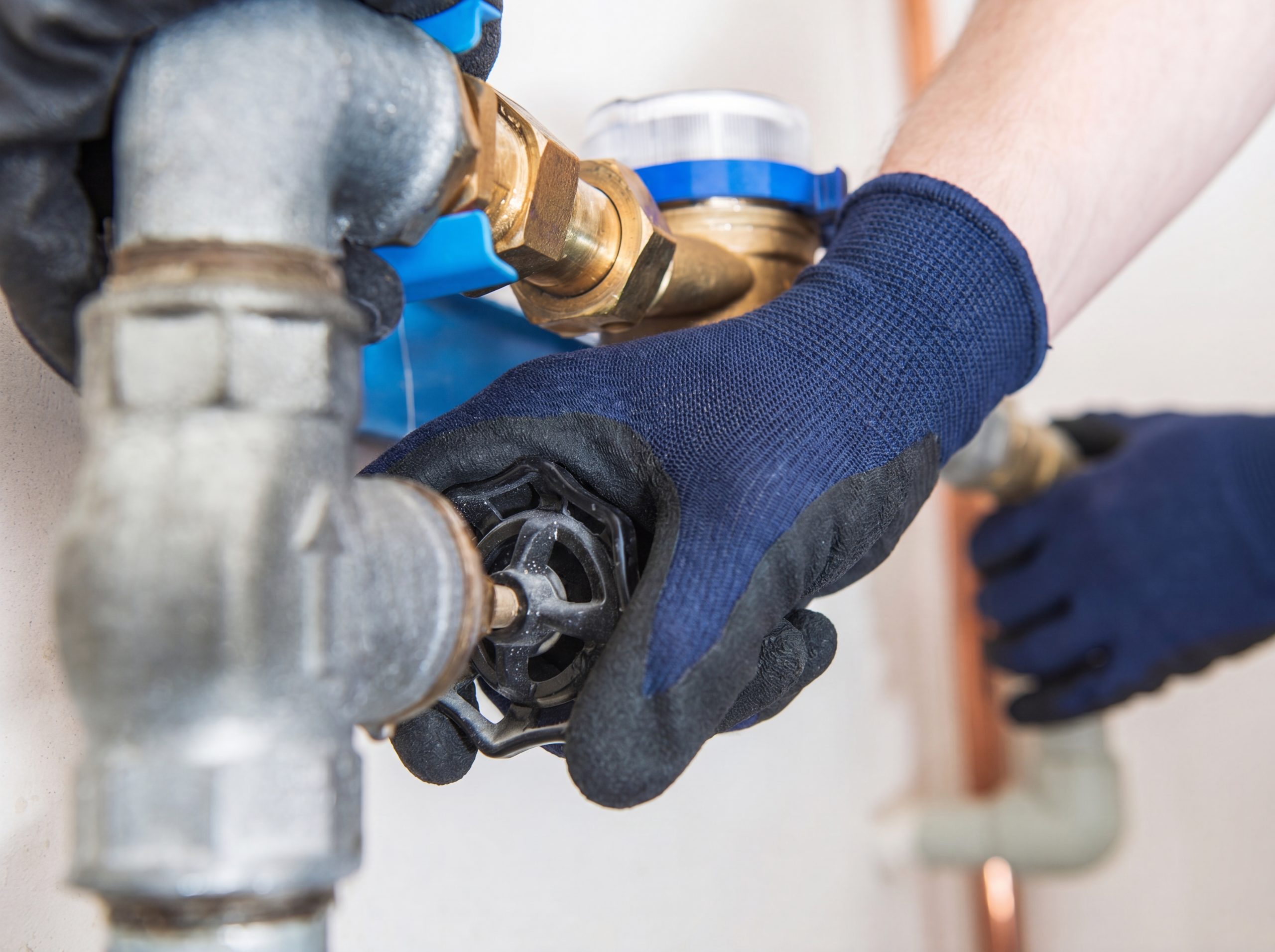
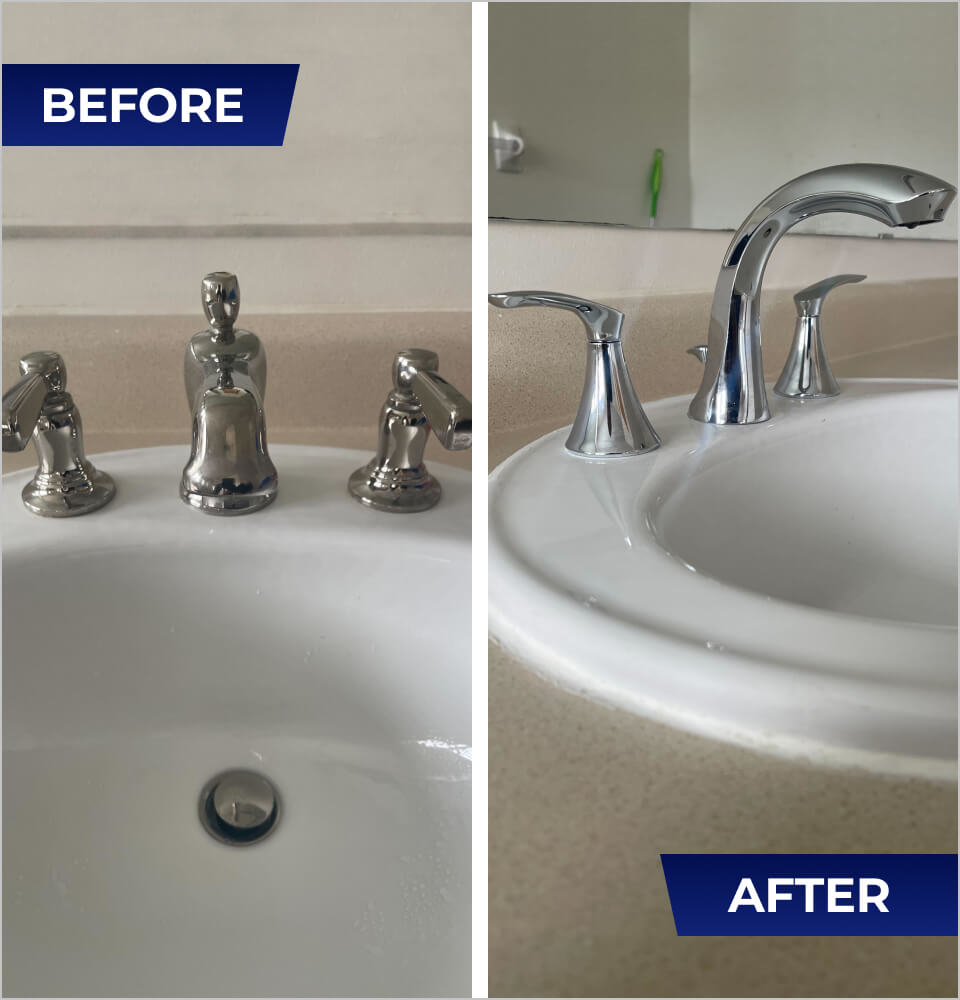
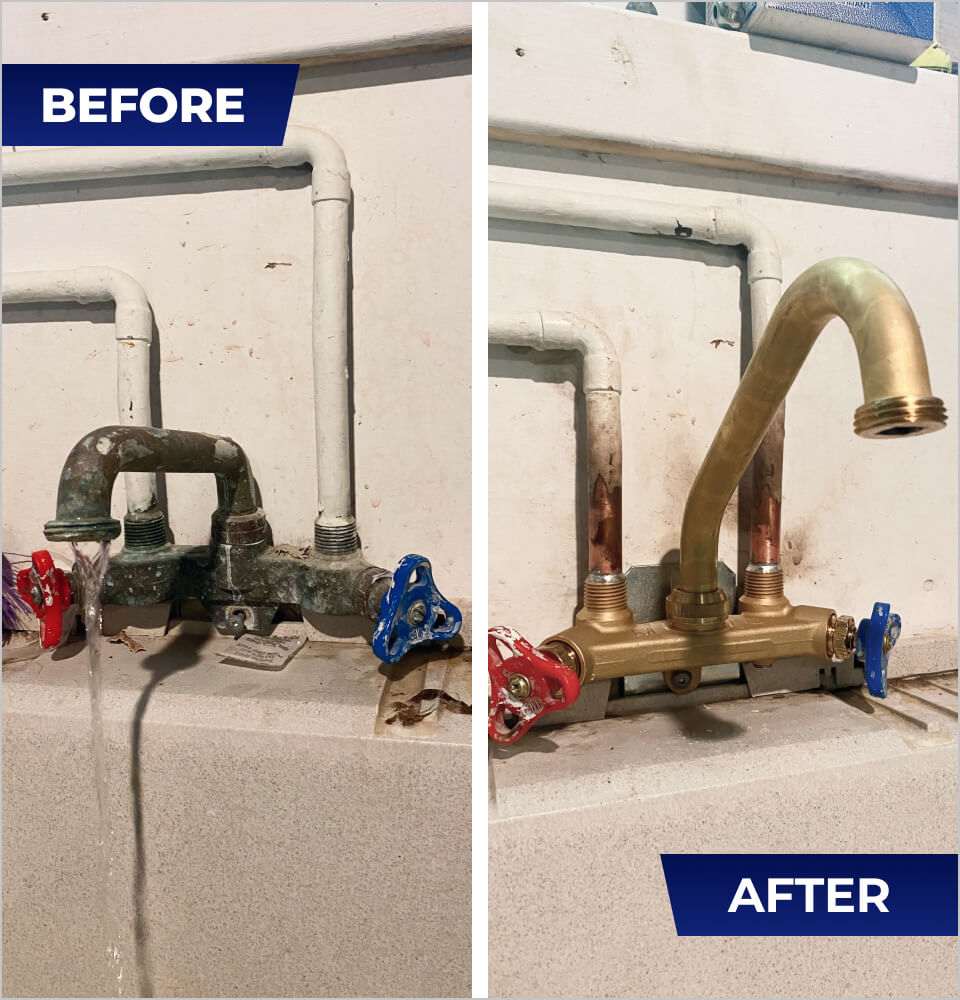
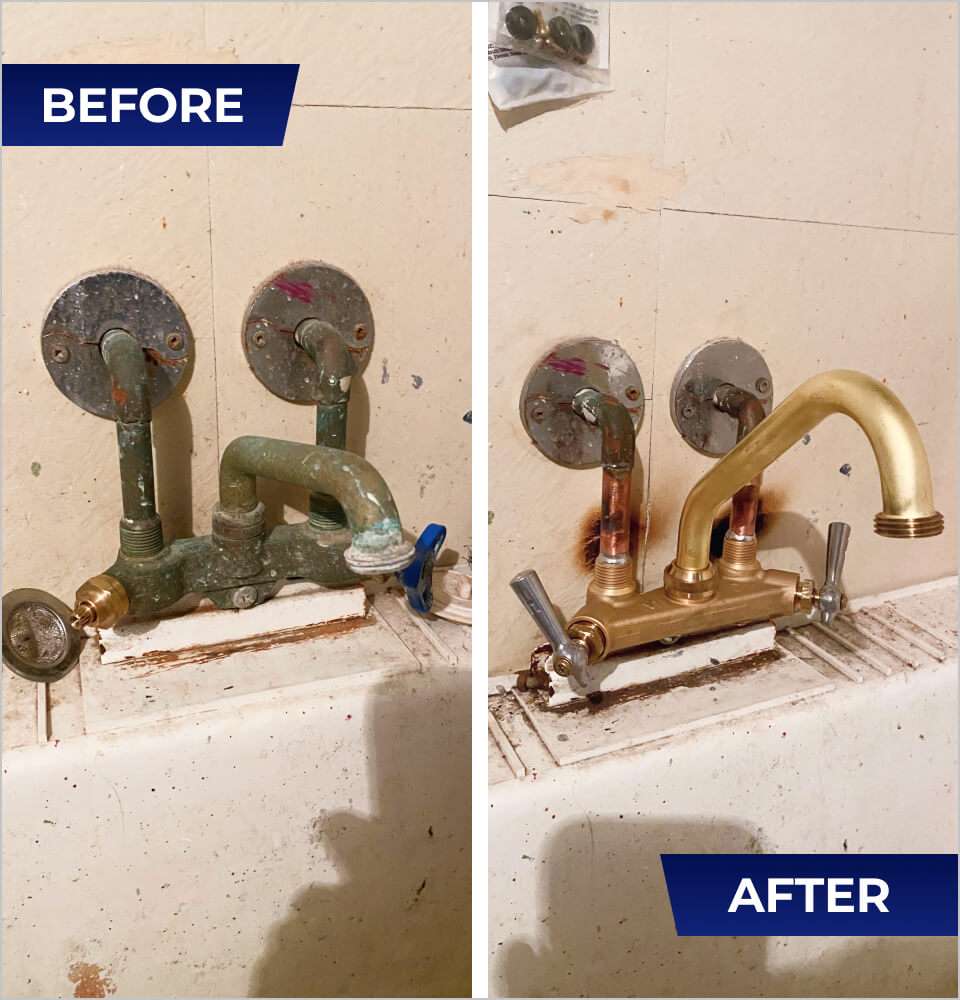
Maple Leaf Plumber replaces all types of plumbing valves, including shut-off valves, angle stops, and main water valves. Our experienced plumbers carefully remove damaged components and install high-quality replacement valves designed for long-lasting reliability

 01

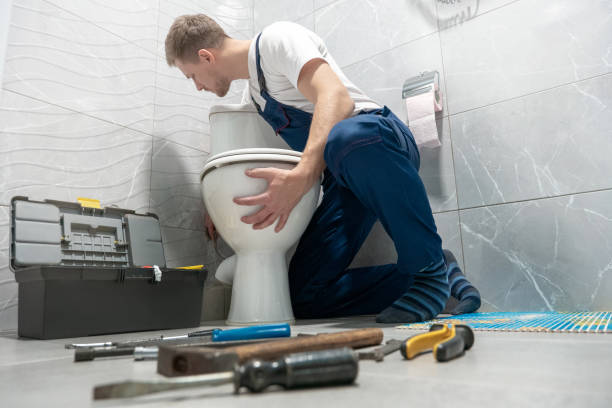
We locate the blockage in:
 02
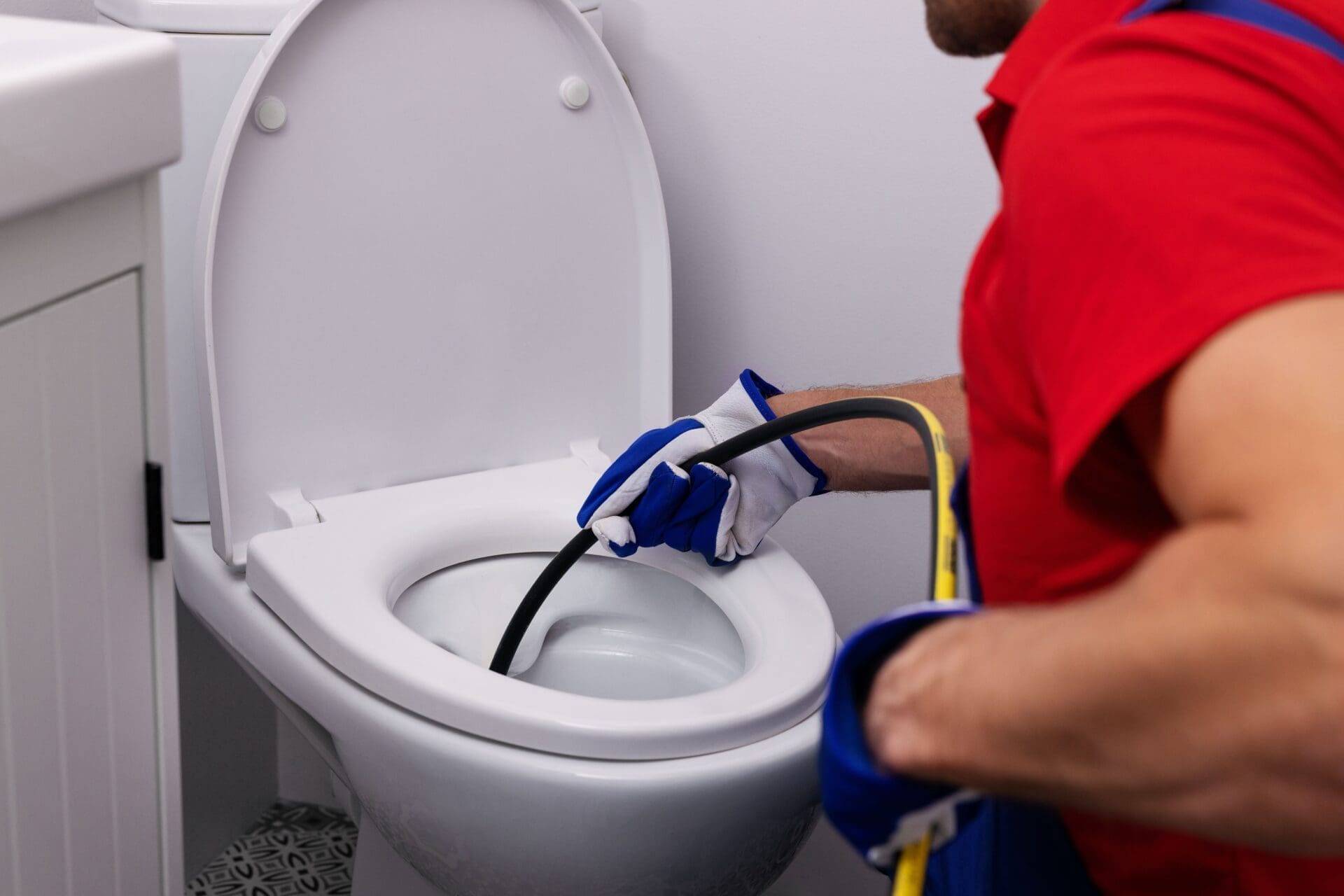
We clear the blockage:
 03
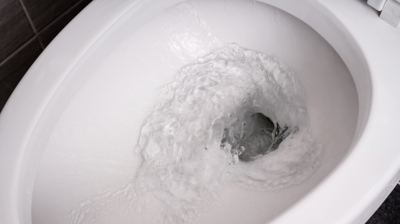
We confirm:
Valve failure does not always occur gradually or conveniently. In many cases, valves fail during peak demand or during active
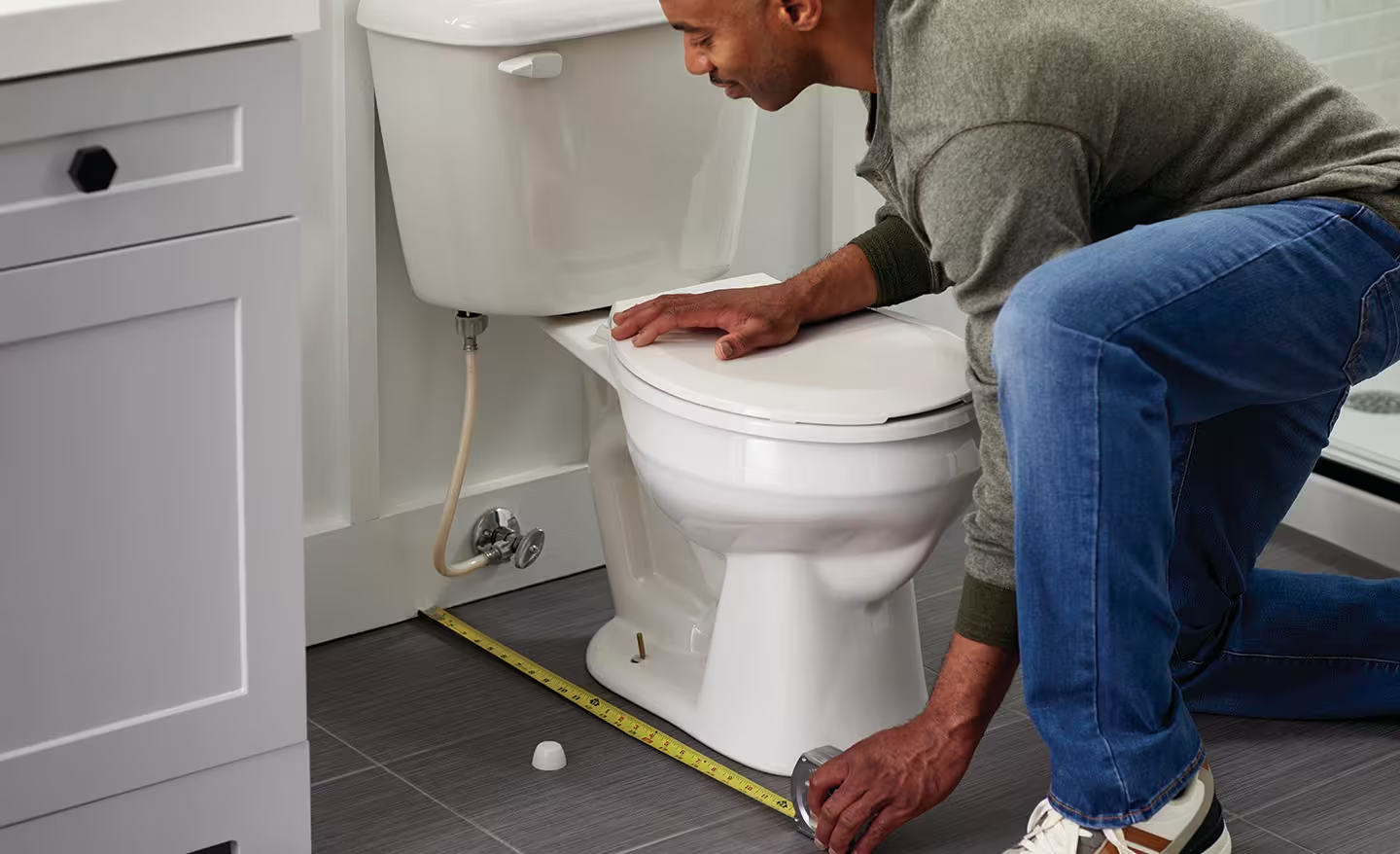
plumbing work, turning a manageable repair into an urgent situation. Understanding how valve replacements function in emergency contexts, how they integrate with modern fixtures, and how they support long-term system resilience is essential for maintaining a reliable plumbing environment. Where Part 1 focused on foundational roles and early-stage failure, this section explores how valve replacement protects properties under stress, supports advanced plumbing configurations, and prevents cascading system failures that often appear unrelated on the surface.
When a valve fails suddenly, water loss can escalate rapidly. A seized shut-off valve during a burst line, a cracked internal
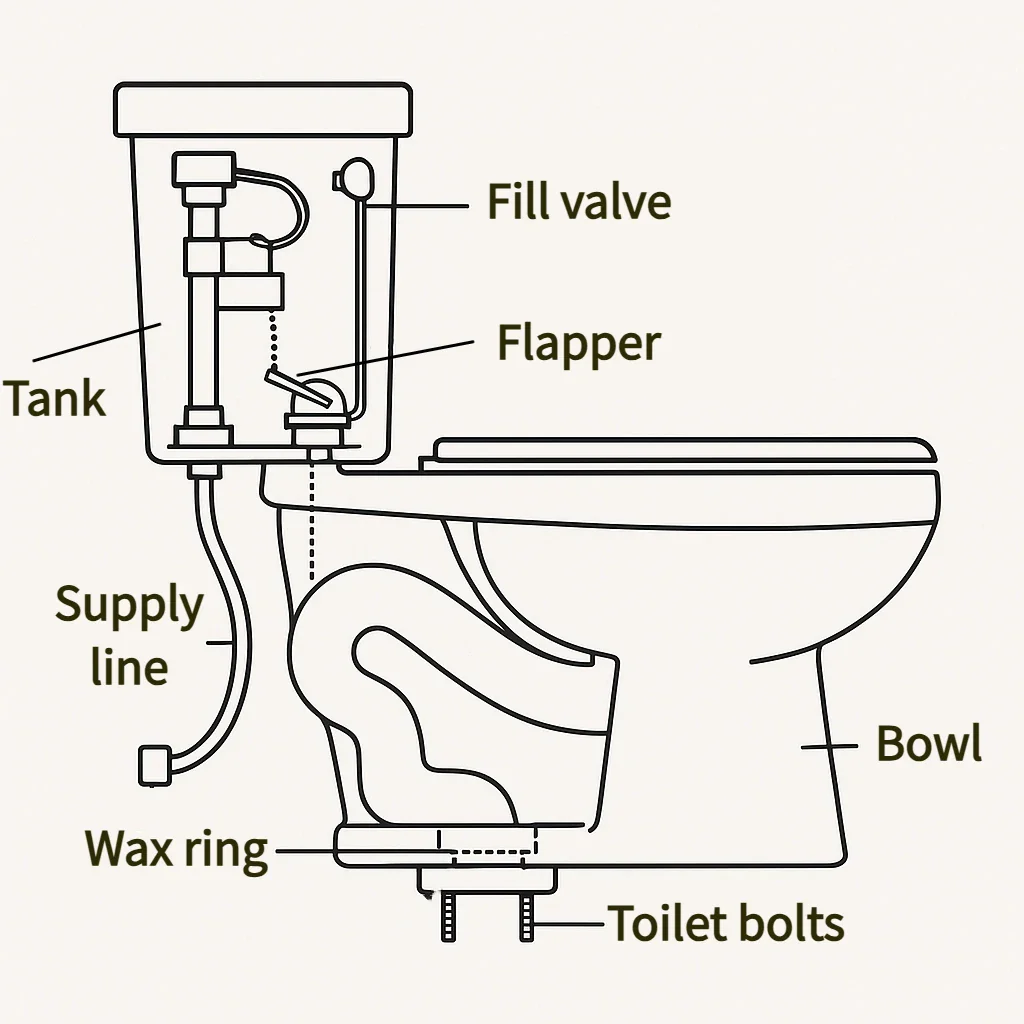
seal behind a wall, or a valve that disintegrates under pressure can create immediate flooding. In these moments, the absence of a functional valve often leads to widespread water damage before the issue can be contained. Emergency situations frequently arise during routine services such as toilet repair, shower repair, or bathroom faucet installation, when dormant valves are finally operated after years of inactivity. Once stressed, weakened components may fracture or refuse to close, leaving no way to isolate the affected section. Professional valve replacements restore emergency control points, ensuring that future incidents can be contained quickly and safely without shutting down the entire plumbing system.
Modern plumbing fixtures are designed for efficiency, precision flow control, and pressure-sensitive operation. These features
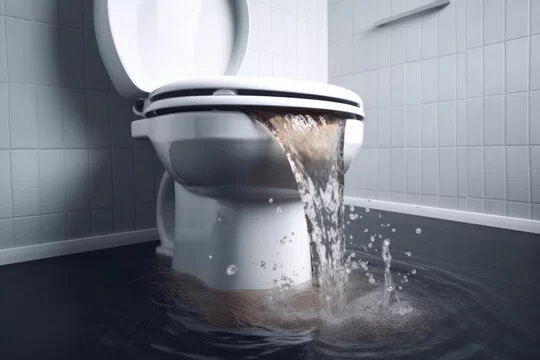
depend heavily on stable upstream valve performance. Outdated or incompatible valves disrupt this balance, leading to inconsistent operation and shortened fixture lifespan. High-efficiency toilets, rainfall showers, touchless faucets, and pressure-balancing shower systems all require reliable valve regulation. When valves restrict flow or allow pressure surges, fixtures struggle to perform as designed. This often results in recurring calls for bathroom faucet repair, temperature instability during shower installation, or erratic flushing behavior following toilet installation. Replacing valves with modern, compatible components ensures that new fixtures operate correctly and that system upgrades deliver their intended benefits.
Water efficiency is no longer optional in modern plumbing design. Faulty valves undermine conservation efforts by allowing slow leaks, pressure loss, and inefficient flow distribution. Properties aiming to improve efficiency often invest in fixture upgrades but overlook valve condition. Without
Although valves control supply, their condition affects drainage performance more than many property owners realize. Pressure imbalances caused by faulty valves alter flow behavior, sometimes overwhelming traps or disrupting vent balance. These conditions can mimic drainage failures, leading to symptoms
such as slow drains or recurring backups. In some cases, homeowners pursue shower drain repair or investigate bathroom sink backing up issues when the underlying cause is unstable supply pressure. Replacing compromised valves restores proper hydraulic balance, allowing drainage systems to function correctly without unnecessary intervention.

Our team covers cities across Ontario and nearby communities: