

Areas Our Plumbers Serve
Our team covers cities across Ontario and nearby communities:



 Call us and we’ll come to you (888) 998-2195


Achievements of Maple Leaf Plumber






Hundreds of verified reviews

Very quick frozen pipe repair and super respectful technician.
Very knowledgeable technician and no unnecessary upselling. Well pump repair was done properly the first time.
Needed a new drain line installed during renovations at our Elder Mills property and Maple Leaf Plumbers coordinated everything smoothly with the contractors already working there.
Good communication, honest pricing, and no more sewer smell.
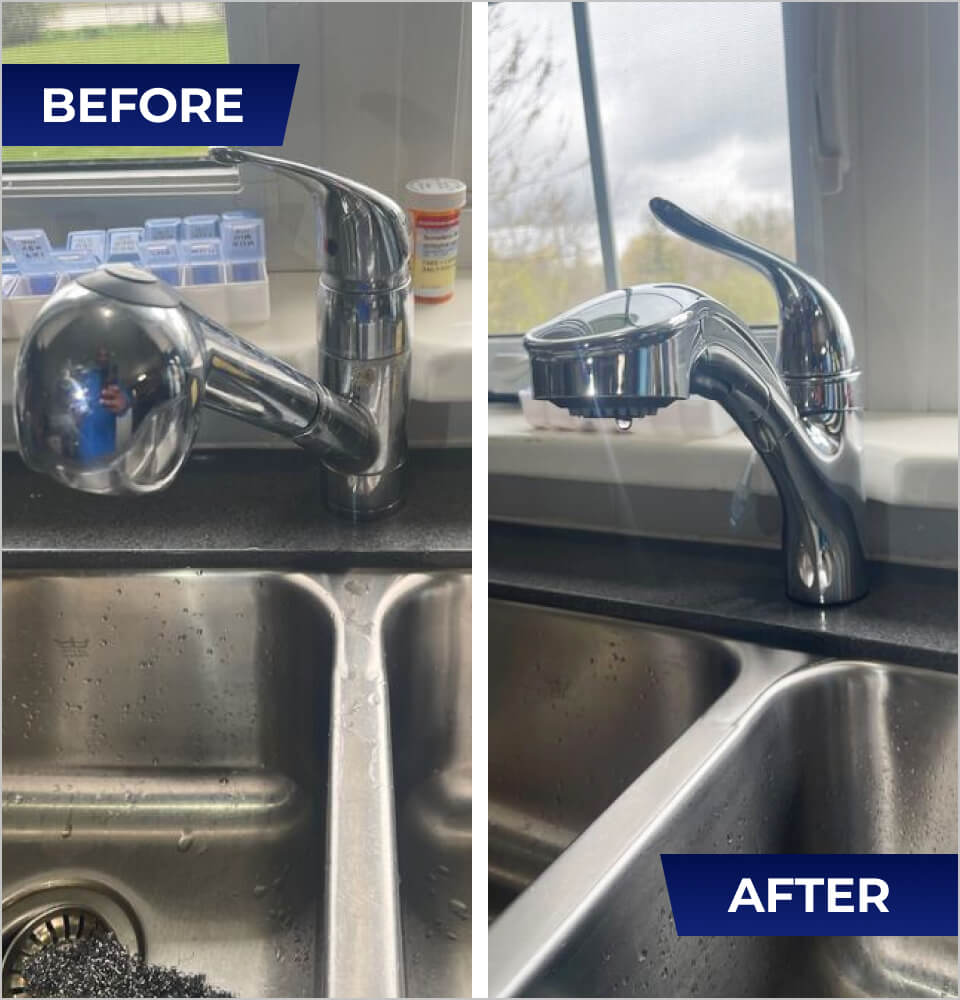
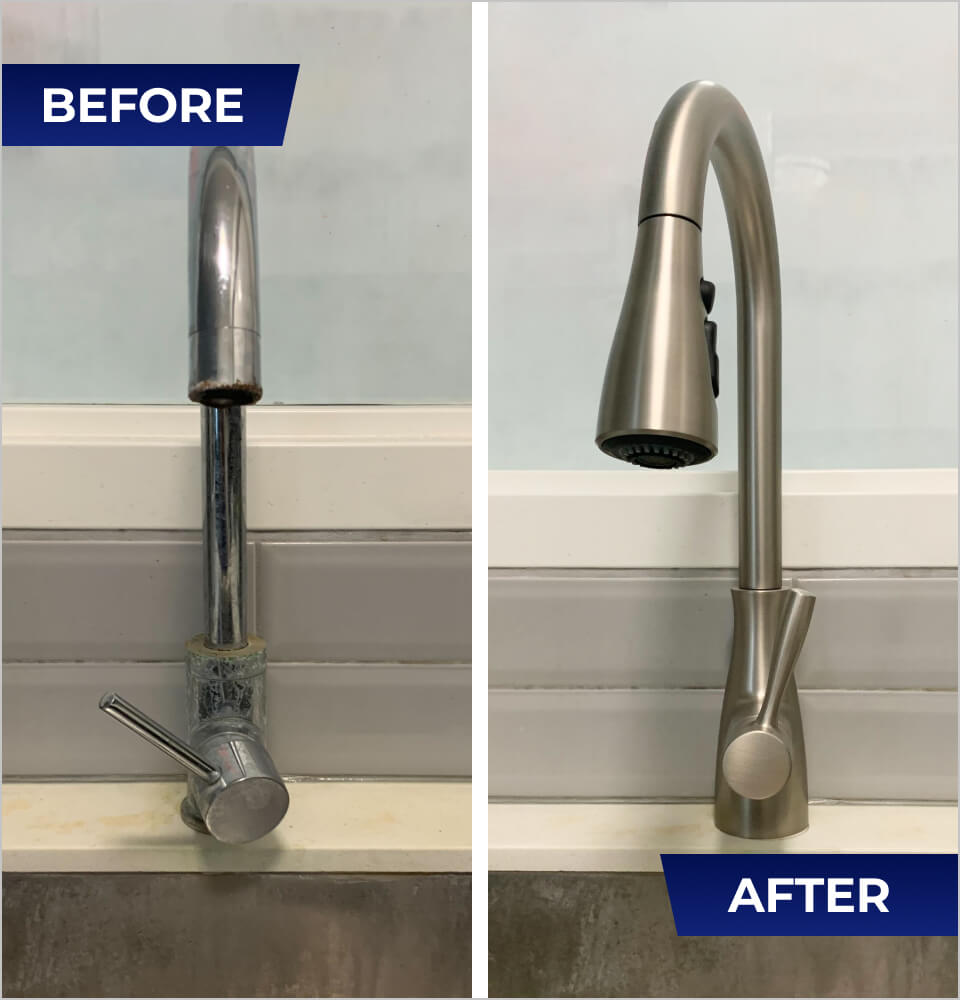
Bought a fancy kitchen faucet online and realized halfway through trying to install it that I was way over my head. The technician came to our place and had it installed perfectly.
Our office in Concord started getting a sewer smell near the washrooms and employees were complaining nonstop. Maple Leaf Plumbers cleaned the line out properly and explained exactly what caused the issue.
Reliable emergency service and the technician stayed until everything was fully checked.
We’d been dealing with slow drains for over a year at our home and nothing lasted longer than a few weeks. Hydro jetting finally solved the problem properly.
Really smooth shower repair service. Everything’s working perfectly again. The technician was fast, reliable and easy to deal with.
Our kitchen sink kept backing up every Sunday like clockwork and it was getting ridiculous. Maple Leaf Plumbers finally figured out there was a buildup deeper in the line that previous companies completely missed. Haven’t had an issue since.
We noticed part of the hardwood floor near the kitchen in our Kleinburg house starting to warp slightly. Maple Leaf Plumbers found a hidden leak before it caused major damage.
Feb 22, 2024The toilet in our basement bathroom near Maple GO station wouldn’t stop running and the noise was driving everyone insane at night. The technician fixed it way quicker than expected.
Feb 22, 2024
Replacing a sump pump is one of the most important steps a homeowner or property manager can take to protect a building from flooding, moisture, and structural damage. While fixtures like toilets and faucets are easy to see, a sump pump works quietly out of sight. If it fails, the results are often sudden, expensive, and disruptive.
A properly replaced sump pump acts as the foundation of a property’s water management strategy. It intercepts excess groundwater before it reaches the structure, safely redirects it away from the foundation, and stabilizes pressure on the plumbing and drainage systems. When a sump pump reaches the end of its service life, replacement restores dependable protection and prevents cascading failures that affect bathrooms, kitchens, sewer lines, and lower-level plumbing fixtures.
A sump pump works in coordination with the overall plumbing system, not as a standalone unit. It is deeply integrated with the building’s drainage, sewer, and plumbing systems. Groundwater naturally accumulates around foundations due to rainfall, snowmelt, and rising water tables. When a sump pump is not working effectively, groundwater builds up and pushes against the basement walls and floors.
When pressure increases, water looks for the easiest path of entry. This often leads to moisture infiltration through cracks, floor drains, and plumbing connections. Over time, property owners may notice repeated toilet clogging problems, bathroom sink backing up, or kitchen sink backing up, especially during storms. These symptoms are often misdiagnosed as isolated plumbing issues when the root cause is a failing sump pump system.
Sump pump replacement restores balance to the system by managing water before it stresses internal plumbing.
While repairing individual components can temporarily restore operation, it does not address underlying limitations such as insufficient capacity, outdated design, or inefficient performance. Replacing a failing pump eliminates weak points and restores full protection.
Modern sump pumps are more efficient, quieter, and compatible with backup systems.
In the long term, replacing an unreliable sump pump reduces emergency calls, water damage, and costly cleanup.
Many sump pumps do not fail suddenly. Instead, they show subtle warning signs that indicate declining performance. Pumps that run continuously, cycle too frequently, or struggle to lower water levels are often nearing failure. Loud noises, vibration, or delayed activation are also common indicators.
Ongoing sump pump repair requests are often a sign that the unit has reached the end of its reliable service life. Repairing individual components may offer temporary relief, but aging pumps often develop multiple points of failure. When repairs become frequent, replacement is the more reliable and cost-effective solution.
Properties that have experienced basement flooding, water pooling near the foundation, or sewer odors may already be facing secondary issues, such as sewer backup in shower drains, increased demand for shower drain repair, or emergency replacement of shower drains. Replacing the sump pump addresses the source rather than treating symptoms.
Bathrooms are highly sensitive to groundwater pressure. When a sump pump cannot keep up, water may push back through floor drains, shower drains, and toilets. This often leads to repeated toilet repair, slow flushing, or the need for emergency toilet installation.
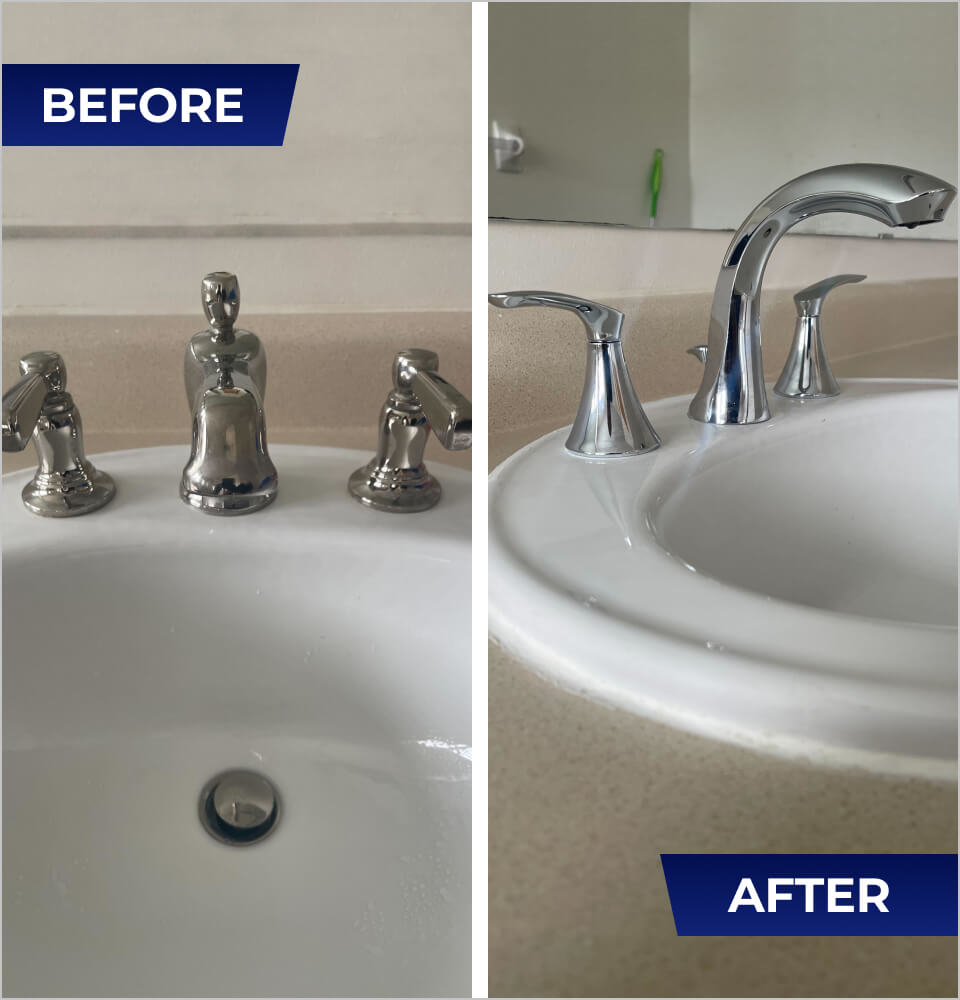
Persistent moisture also accelerates the deterioration of bathroom fixtures. Faucets, valves, and drains corrode more quickly, increasing the need for bathroom faucet repair, bathroom faucet installation, and shower repair. Over time, property owners may even need to install a bathtub due to water damage or mold growth.
A professionally replaced sump pump reduces pressure on bathroom plumbing by preventing groundwater from entering the system in the first place. This stabilizes drainage, extends fixture lifespan, and minimizes costly bathroom repairs.
Kitchen plumbing systems are heavily used and highly vulnerable to drainage issues. When groundwater pressure rises, kitchen drains may slow, emit odors, or back up entirely. Repeated incidents of the kitchen sink backing up often coincide with heavy rain or snowmelt.
In these cases, property owners may pursue installing a kitchen sink drain, replacing the kitchen sink drain, or repeated kitchen faucet repair, only to find the problem returns. This cycle occurs because the underlying pressure issue remains unresolved.
Sump pump replacement restores proper drainage flow by relieving pressure on the system. Kitchens benefit from smoother drainage, fewer backups, and longer-lasting kitchen faucet installation components.
One of the most important benefits of sump pump replacement is protecting the sewer system. These backups often emerge through showers, floor drains, and toilets, creating serious sanitation hazards.
A failing sump pump increases the likelihood of sewer backup in shower drains, which can require extensive shower drain repair and cleanup. Replacing the sump pump reduces the load on sewer lines, helping prevent backups and protecting the property from contamination.
Sump pump replacement is an opportunity to reassess system capacity. Water tables change over time due to development, landscaping, and climate patterns. A pump that was adequate years ago may no longer meet current demand.
Professional replacement involves calculating the required pump capacity based on basement size, drainage conditions, and historical water volume. Installing the correct pump prevents underperformance and reduces excessive cycling, thereby shortening the pump’s lifespan.
The condition and setup of the sump pit directly affect how efficiently the pump operates. Over time, pits accumulate sediment, gravel, and debris that interfere with intake and float operation.
During sump pump replacement, the pit is cleaned, inspected, and adjusted as needed. Ensuring the pit supports proper water intake improves performance and protects the new pump from premature wear.
A sump pump is only as effective as its discharge system. If water is not carried far enough from the foundation, it may flow back toward the building, rendering the pump ineffective.
Replacement services often include inspecting and improving discharge routing. This may involve extending discharge lines, correcting slope issues, or addressing freezing risks in colder climates. Proper discharge design ensures water exits the system safely and permanently.
Early Signs
A faulty check valve allows water to drain back into
the pit, causing the pump to turn on repeatedly. This increases wear and shortens pump life.
Professional valve replacement during sump pump replacement improves efficiency and protects the new unit. Proper backflow prevention reduces cycling frequency and enhances overall system reliability.
Maple Leaf Plumber removes old or malfunctioning sump pumps and installs modern, high-performance replacements designed for improved efficiency and durability. Our experienced plumbers assess your home’s needs to recommend the right pump size and type for dependable operation.

 01

We examine:
 02
We assess:
 03
We repair or replace:
 04
We confirm:
A faulty check valve allows water to drain back into the pit, causing the pump to turn on repeatedly. This increases wear
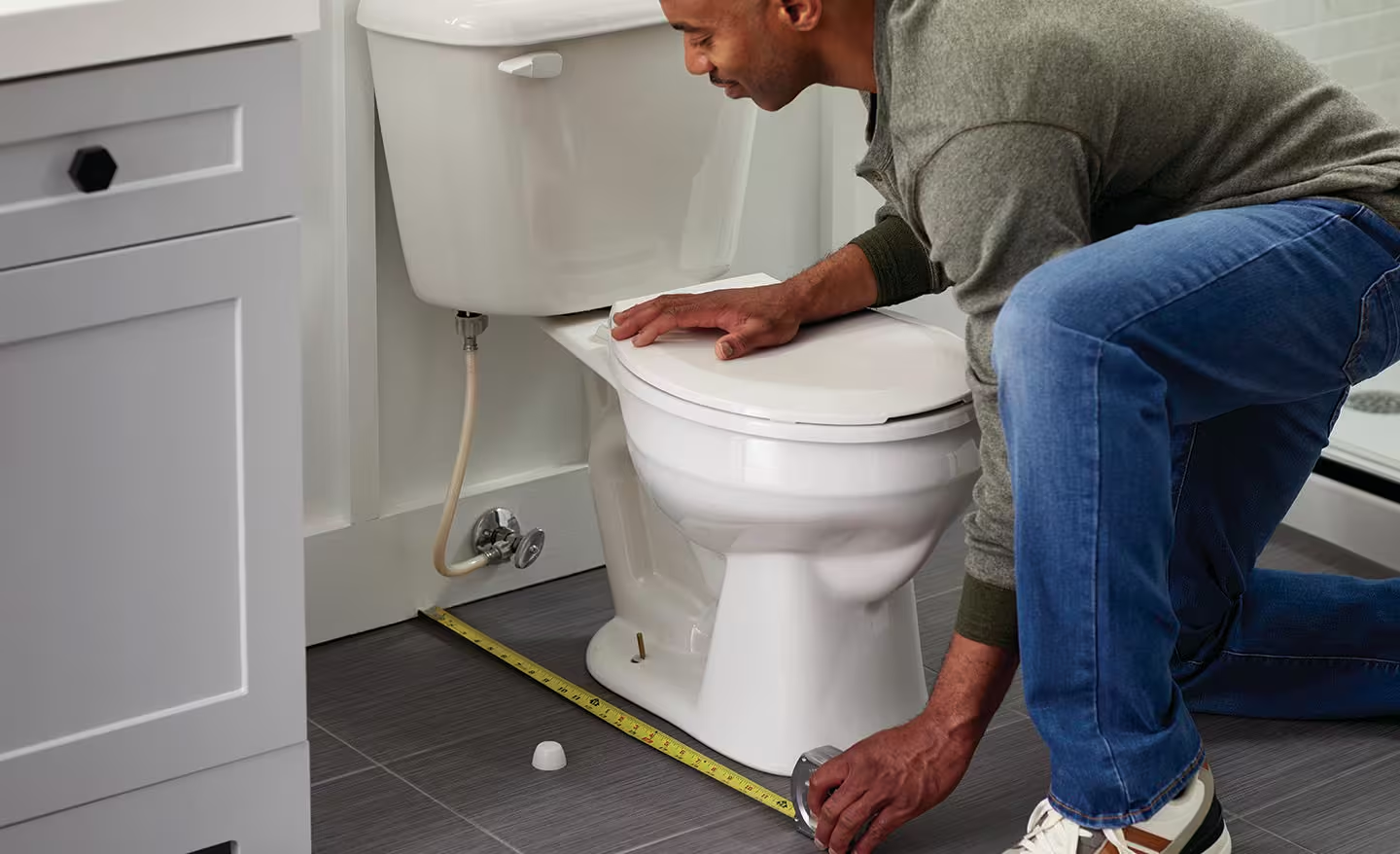
and shortens pump life. Professional valve replacement during sump pump replacement improves efficiency and protects the new unit. Proper backflow prevention reduces cycling frequency and enhances overall system reliability.
Sump pumps rely on electricity, making electrical integrity critical. Replacement services include inspecting outlets, wiring,
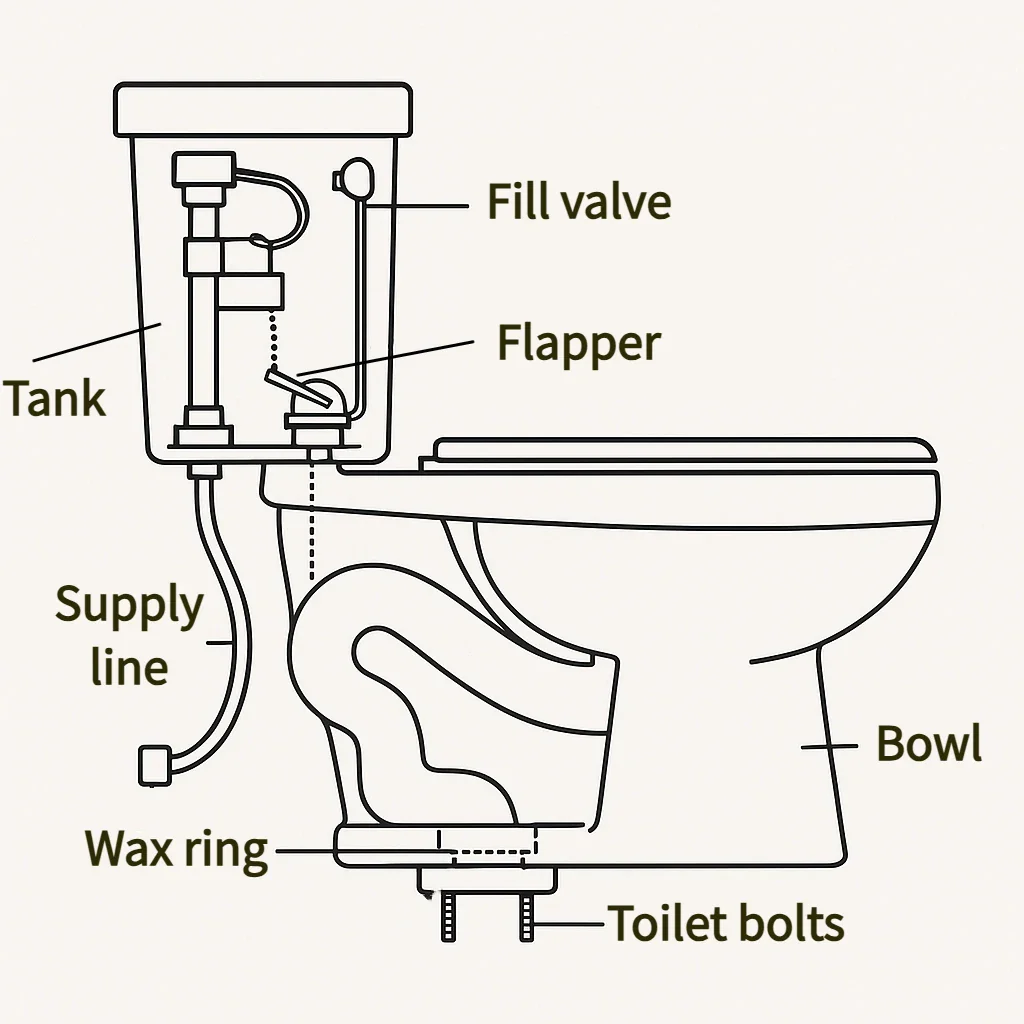
and circuit protection. Dedicated circuits and moisture-protected connections reduce the risk of failure during storms. Electrical upgrades during replacement improve safety and ensure the pump receives consistent power when needed most.
Power outages frequently occur during storms. Without backup protection, even a new sump pump can fail when it is needed most.
Many sump pump replacement projects include installing battery backup systems or secondary pumps. These systems activate automatically during power loss, providing uninterrupted protection.
Backup systems are especially valuable in properties with finished basements, valuable storage, or critical equipment below grade.
Modern sump pump systems often include alarms that alert property owners when water levels rise unexpectedly. High-water alarms provide early warning, allowing action before flooding occurs.
Advanced monitoring systems can send alerts to mobile devices, offering protection even when the property is unoccupied.
Sump pump replacement is often part of a broader plumbing strategy. Professionals may recommend related services, such as leak detection to identify hidden moisture damage, water testing to assess sediment levels, or coordination with well pump repair, installation, or replacement in properties with private water systems.
Addressing multiple systems together improves overall plumbing stability and reduces future emergency calls.
Groundwater conditions vary by location and can change over time. High sediment levels, mineral content, or debris infiltration gradually wear down sump pump components. Abrasive particles accelerate impeller wear and reduce pumping efficiency.
In areas with private water systems, sump pump replacement may coincide with well pump repair or well pump installation, ensuring both systems operate harmoniously. In some cases, water test services are recommended to assess mineral levels that may impact pump longevity.
Replacing a sump pump with one designed for local water conditions significantly improves durability and performance.
Plumbing and building regulations govern sump pump installation, discharge locations, electrical connections, and backflow prevention. Non-compliant installations can lead to failed inspections or denied insurance claims.
Professional sump pump replacement ensures compliance with local regulations, protecting property owners legally and financially.
Older sump pump systems were often installed using materials and standards that no longer meet current performance expectations. Discharge piping may be undersized, electrical connections may lack modern safety protections, and pumps themselves may not support backup systems.
As infrastructure ages, related plumbing problems may arise, including bathroom sink backups, shower drain repairs, or even toilet clogging during heavy rainfall. These issues are frequently interconnected and point to declining drainage efficiency below grade.
Replacing the sump pump enables professionals to modernize the entire system, improve integration with drainage systems, and reduce strain on connected plumbing components.
Although sump pump replacement involves an upfront cost, it delivers substantial long-term savings. Preventing a single flooding
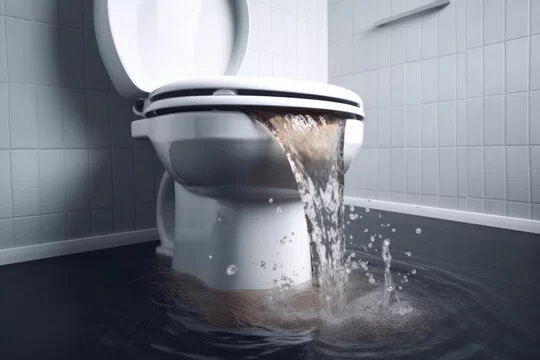
event can offset replacement expenses many times over. Replacement reduces emergency service calls, protects surrounding plumbing fixtures, and extends the lifespan of bathrooms, kitchens, and sewer systems.
DIY replacement often overlooks critical factors such as proper sizing, discharge routing, and electrical safety. These errors may not be apparent until heavy rainfall exposes system weaknesses. Professional replacement applies experience, specialized tools, and industry standards to deliver reliable performance under the most demanding conditions.
A critical part of sump pump replacement is evaluating the discharge system. Poor discharge routing can negate the effectiveness of even a new pump. Replacement services often include clearing or extending discharge lines, correcting slope issues, and replacing faulty check
valves. These improvements reduce pump cycling, protect the new unit, and enhance long-term performance.

Our team covers cities across Ontario and nearby communities: