
Areas Our Plumbers Serve
Our team covers cities across Ontario and nearby communities:


 Call us and we’ll come to you (888) 998-2195

Achievements of Maple Leaf Plumber




Hundreds of verified reviews

Very quick frozen pipe repair and super respectful technician.
Very knowledgeable technician and no unnecessary upselling. Well pump repair was done properly the first time.
Needed a new drain line installed during renovations at our Elder Mills property and Maple Leaf Plumbers coordinated everything smoothly with the contractors already working there.
Good communication, honest pricing, and no more sewer smell.
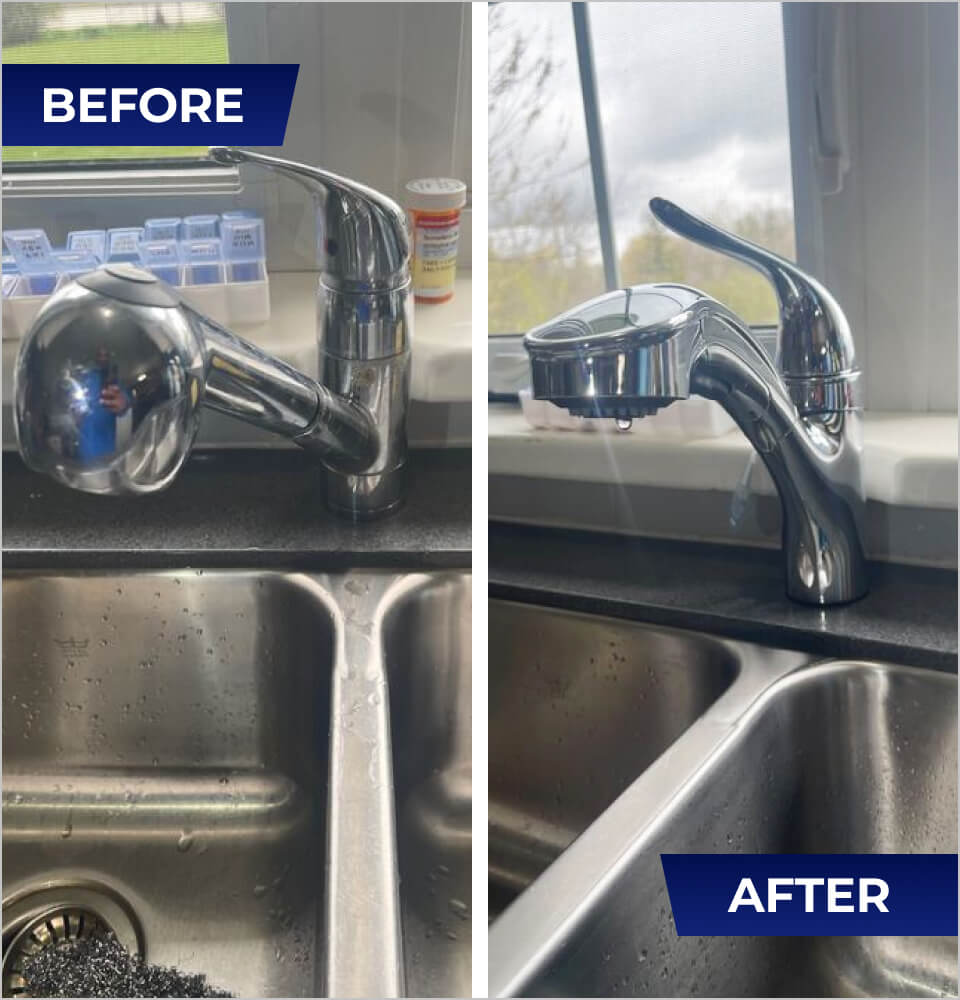
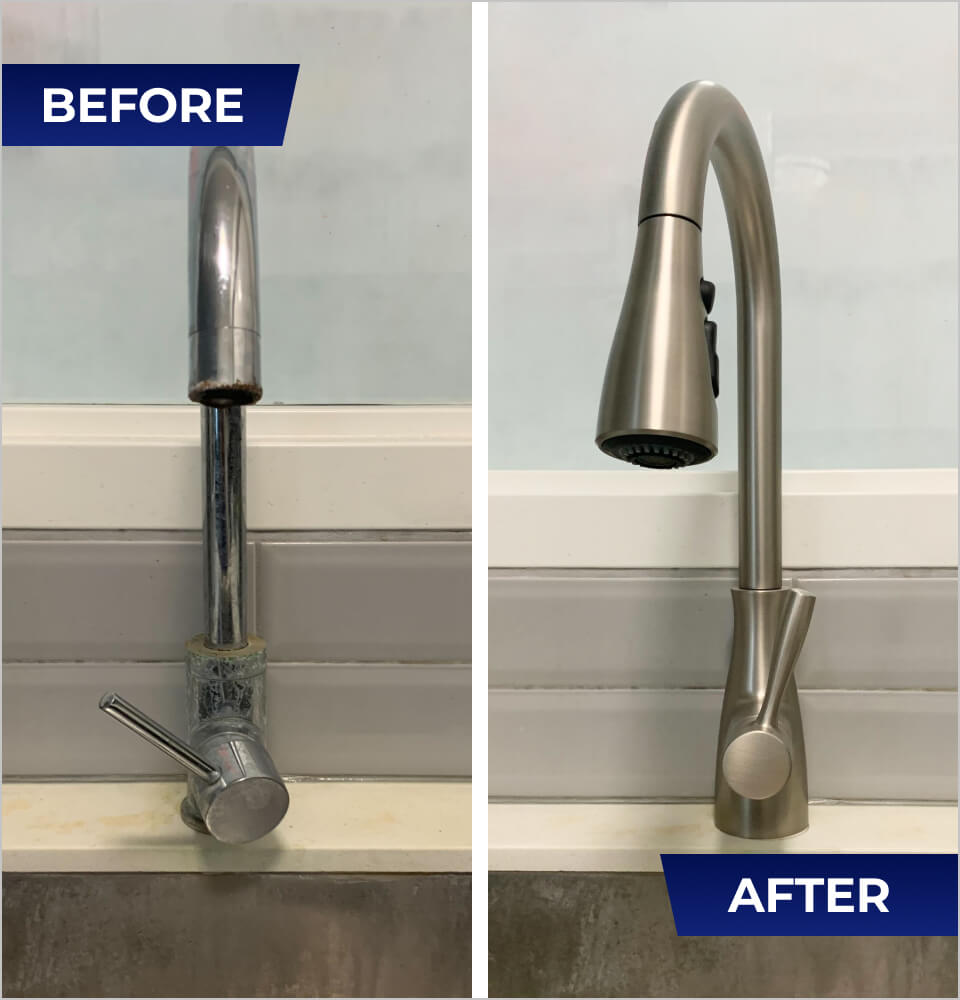
Bought a fancy kitchen faucet online and realized halfway through trying to install it that I was way over my head. The technician came to our place and had it installed perfectly.
Our office in Concord started getting a sewer smell near the washrooms and employees were complaining nonstop. Maple Leaf Plumbers cleaned the line out properly and explained exactly what caused the issue.
Reliable emergency service and the technician stayed until everything was fully checked.
We’d been dealing with slow drains for over a year at our home and nothing lasted longer than a few weeks. Hydro jetting finally solved the problem properly.
Really smooth shower repair service. Everything’s working perfectly again. The technician was fast, reliable and easy to deal with.
Our kitchen sink kept backing up every Sunday like clockwork and it was getting ridiculous. Maple Leaf Plumbers finally figured out there was a buildup deeper in the line that previous companies completely missed. Haven’t had an issue since.
We noticed part of the hardwood floor near the kitchen in our Kleinburg house starting to warp slightly. Maple Leaf Plumbers found a hidden leak before it caused major damage.
Feb 22, 2024The toilet in our basement bathroom near Maple GO station wouldn’t stop running and the noise was driving everyone insane at night. The technician fixed it way quicker than expected.
Feb 22, 2024
Replacing a shower drain is a corrective plumbing service that directly protects the bathroom structure, the drainage network, and the overall integrity of a home or building. While surface clogs and slow drainage are often addressed through shower drain repair, drain snaking, or hydro jetting, there are many situations where repair is no longer sufficient. When the drain body itself is compromised by corrosion, cracking, separation, or outdated materials, replacement is the only reliable solution to prevent recurring problems and escalating damage.
A shower drain is constantly exposed to water, soap residue, hair, body oils, cleaning chemicals, and temperature changes. Over time, these conditions weaken seals, degrade materials, and allow microscopic failures to form. Unlike visible plumbing components, shower drains fail quietly. Water may escape beneath the shower base, behind walls, or into subflooring long before any visible sign appears. By the time stains, odors, or mold become noticeable, structural damage may already be present.
Replacing the shower drain addresses these hidden failures at their source. It restores proper drainage, prevents water infiltration, and stabilizes the bathroom plumbing system before damage spreads to surrounding areas or affects other fixtures.
A shower drain is a critical junction point between the bathroom and the building’s drainage infrastructure. It connects the shower base to the branch drain, which then ties into the main drain or sewer line. Every gallon of water used during showering must pass through this connection efficiently and without leakage.
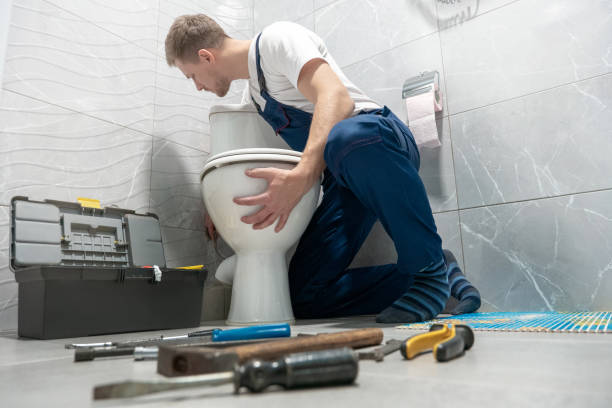
Drain inefficiencies can contribute to bathroom sink backups, sewer backups in shower scenarios, or slow drainage affecting bathtubs and nearby floor drains. In multi-fixture bathrooms, improper drainage may also affect toilet performance, increasing the likelihood of clogged toilets or the need for toilet repair.
Replacing a failing drain restores balance to the drainage system and supports the reliable operation of connected services, such as bathtub installation, bathroom sink drain installation, shower installation, and bathroom sink drain replacement.
One of the most common reasons for replacing a shower drain is material degradation. Older drains made from cast iron or thin metal are especially prone to rust and internal pitting. As corrosion progresses, the interior surface becomes rough, trapping hair and debris and accelerating clogs. Eventually, structural integrity is compromised, leading to leaks.
Warping, cracked flanges, and loose connections between the drain body and piping are frequent causes of repeated shower drain repair calls that never fully resolve the problem.
Improper installation is another major factor. Drains that were not aligned correctly or sealed properly during initial construction often leak slowly beneath the shower surface. These leaks may persist undetected for years, saturating subfloors and weakening framing.
Recurring clogs that return shortly after drain repair, foul odors that persist despite cleaning, or visible moisture around the shower area are strong indicators that the drain assembly itself has failed. Water stains on ceilings below the bathroom or unexplained mold growth often point to long-term leakage beneath the shower.
If repeated attempts at shower drain repair do not provide lasting improvement, replacement should be considered before the problem escalates into more extensive drain or sewer repair.
Replacing a shower drain begins with a comprehensive inspection of the drainage system. This includes examining the drain body, the surrounding waterproofing layers, the trap condition, and the drain line alignment. In many cases, leak detection tools are used to confirm the source of moisture and determine whether water is escaping beneath the shower base.
Sewer camera inspections may also be used when deeper drainage issues are suspected. This ensures that replacing the drain will resolve the problem rather than masking symptoms caused by downstream obstructions.
Accurate diagnostics prevent unnecessary work and ensure the replacement addresses the true source of failure.
Modern shower drains are available in a variety of materials and configurations designed to improve durability and drainage efficiency. PVC and ABS drains offer corrosion resistance and compatibility with modern waterproofing systems, while stainless steel components provide long-term strength in high-use environments.
Choosing the correct drain ensures compatibility with the existing plumbing system and prevents future performance issues. Proper selection also reduces the need for frequent drain cleaning and supports smooth flow during peak usage.
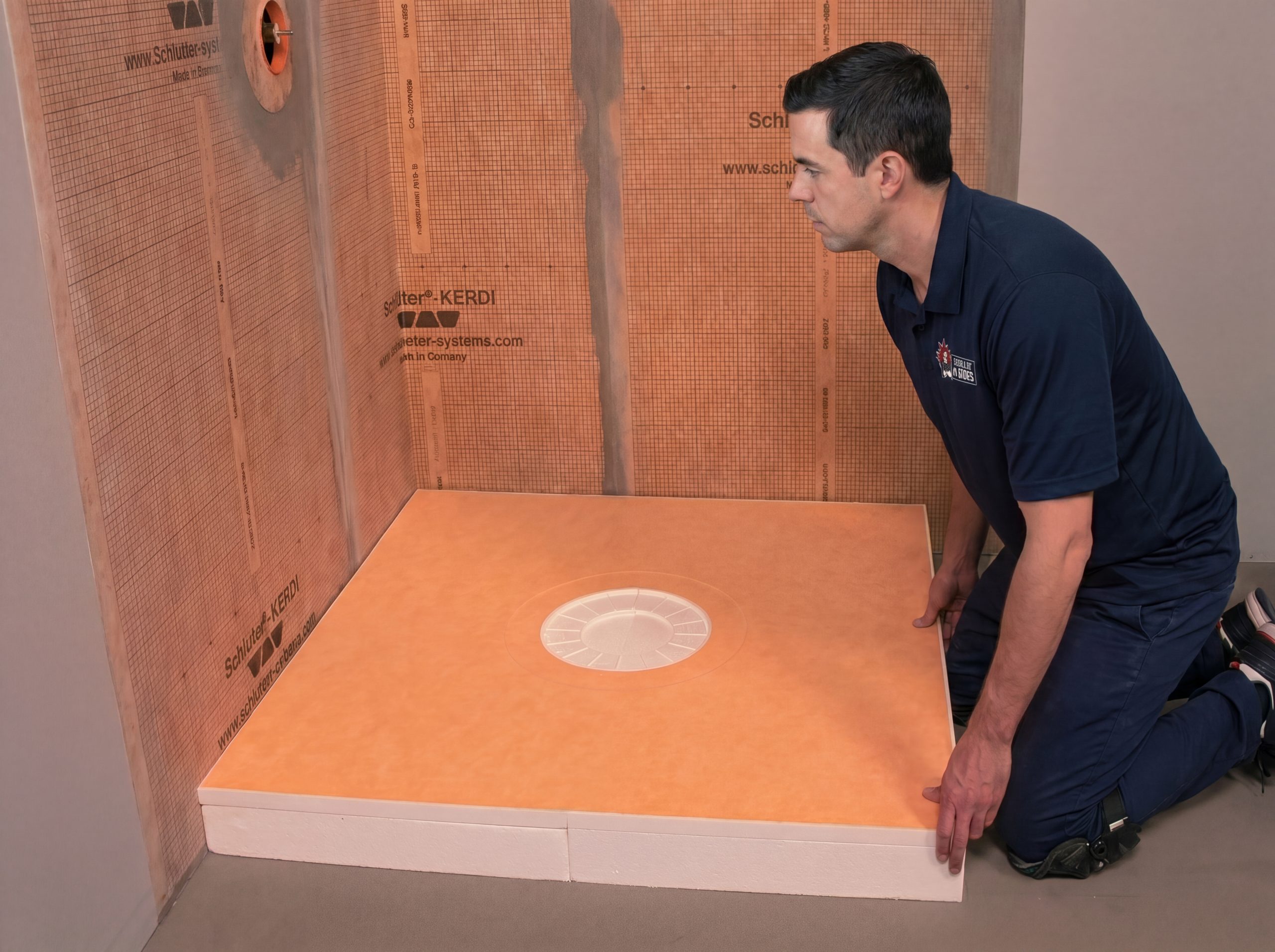
Replacing a shower drain requires precise integration with the shower base or tiled floor system. The drain must form a watertight seal with the waterproofing membrane to prevent water from bypassing the drain opening.
Incorrect sealing is one of the leading causes of hidden water damage. Professional replacement ensures proper alignment, the use of appropriate sealing materials, and adherence to modern installation standards that protect subfloors and wall cavities.
Shower drain replacement is performed carefully to avoid disrupting adjacent plumbing. Drain lines serving sinks, toilets, and bathtubs must remain properly aligned and supported.
Careful handling prevents the need for additional services, such as sewer or lead pipe replacement, caused by accidental damage during the replacement.
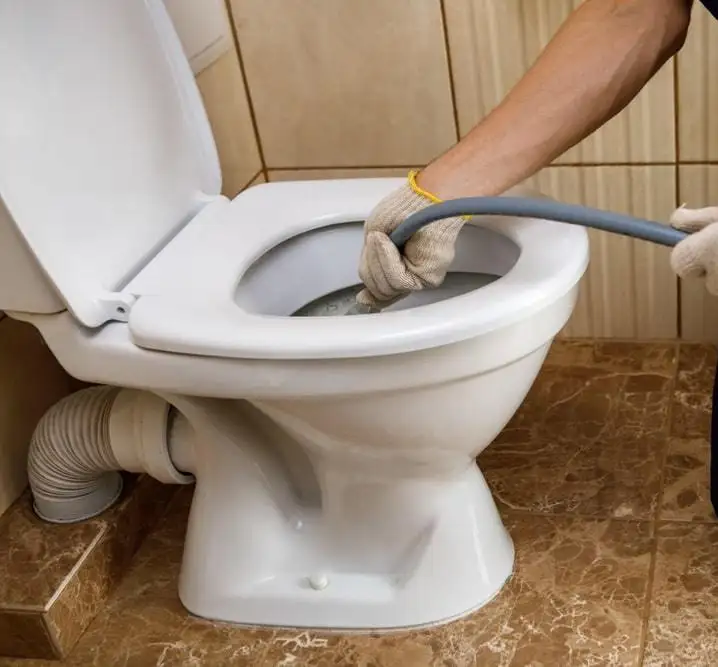
Once the new drain is installed, the system is tested under sustained water flow. This verifies proper drainage, confirms leak-free performance, and ensures the trap and drain line function correctly.
Testing helps identify any needed adjustments before the system is returned to daily use, preventing callbacks and ensuring long-term reliability.
Replacing a shower drain is not only about removing a failing component and installing a new one. The process has wider implications for the entire plumbing and drainage system, the structural health of the bathroom, and the long-term performance of connected fixtures. A properly executed shower drain replacement improves drainage efficiency, prevents recurring moisture problems, and reduces stress on downstream piping, creating benefits that extend far beyond the shower itself.
Early Signs
One of the most important benefits of replacing a shower
drain is the protection it provides to hidden structural elements. Water that escapes beneath a shower base does not simply evaporate. It saturates subfloors, seeps into framing, and weakens building materials over time. This hidden moisture often leads to warped flooring, deteriorating joists, and mold growth that compromises indoor air quality.
Replacing the shower drain eliminates the primary pathway for water to escape the shower enclosure. A correctly installed drain restores the waterproof barrier between the shower surface and the structural layers below. This protection reduces the likelihood of costly repairs that may otherwise involve extensive demolition, mold remediation, or subfloor replacement.
By resolving the issue at the drain level, homeowners and property managers avoid secondary problems that often require additional services, such as drain, sewer, or weeping tile repair, when moisture migrates beyond the bathroom.
Results you can trust, Maple Leaf Plumber’s licensed and insured professionals replace shower drains with precision and care. Why Shower Drain Replacement Is Critical to Bathroom and Plumbing System Health
 01
01
We examine:
 02
02 We assess:
 03
03 We repair or replace:
 04
04 We confirm:
One of the most important benefits of replacing a shower drain is the protection it provides to hidden structural elements.
Water that escapes beneath a shower base does not simply evaporate. It saturates subfloors, seeps into framing, and weakens building materials over time. This hidden moisture often leads to warped flooring, deteriorating joists, and mold growth that compromises indoor air quality. Replacing the shower drain eliminates the primary pathway for water to escape the shower enclosure. A correctly installed drain restores the waterproof barrier between the shower surface and the structural layers below. This protection reduces the likelihood of costly repairs that may otherwise involve extensive demolition, mold remediation, or subfloor replacement. By resolving the issue at the drain level, homeowners and property managers avoid secondary problems that often require additional services, such as drain, sewer, or weeping tile repair, when moisture migrates beyond the bathroom.
Persistent moisture is the leading cause of mold development in bathrooms. Shower drains that leak slowly but consistently
create ideal conditions for mold spores to grow behind walls and under floors. These hidden colonies often go undetected until odors become noticeable or health symptoms arise. A watertight drain assembly, when properly sealed and aligned, helps keep surrounding materials dry. This contributes to healthier indoor air and reduces the need for future leak detection or mold remediation. Moisture control is particularly important in bathrooms where other fixtures such as bathtubs, toilets, and sinks are in close proximity. A compromised drain can affect nearby components, increasing the risk of the bathroom sink backing up or moisture-related toilet repair issues.
A new shower drain improves wastewater flow efficiency. Older drains with internal corrosion or improper alignment restrict flow, causing water to pool and drain slowly. Over time, these restrictions contribute to frequent clogs and increase the likelihood of sewer backup in shower situations.
Replacing the drain restores the full internal diameter and smooth surfaces, allowing hair, soap residue, and water to move freely into the drain line. This reduces the need for frequent drain snaking or hydro jetting and supports consistent performance during heavy use.
Improved drainage also helps prevent pressure buildup in branch lines, which can contribute to problems with other fixtures, such as a kitchen sink backing up or slow drainage at floor drains.
Shower drain replacement does not occur in isolation. The new drain must integrate seamlessly with existing drain lines and the broader sewer system. Proper alignment ensures that wastewater flows smoothly without creating stress points or low spots where debris can accumulate.
In some cases, replacing a shower drain reveals underlying issues such as damaged drain lines, improper slope, or aging materials. Addressing these issues during replacement may involve installing a partial drain line, replacing the drain line, or cleaning the sewer line to ensure long-term reliability.
This integrated approach prevents repeat service calls and reduces the likelihood of future large-scale sewer repair or replacement projects.
New shower bases, tile systems, and waterproofing materials require drains that meet modern standards and integrate correctly with contemporary construction methods.
Replacing the drain ensures compatibility with new installations, such as showers, bathtubs, and bathroom faucet repairs, as well as updated drainage systems. This coordination supports both aesthetic goals and functional reliability, preventing future leaks caused by mismatched components.
Modern drain designs also improve water flow and make maintenance easier, reducing long-term maintenance requirements.
A compromised shower drain slows water flow, increasing pressure in the plumbing system. This pressure places additional strain on valves, joints, and traps, accelerating wear and increasing the likelihood of valve replacement or faucet repair needs.
By restoring proper drainage, shower drain replacement reduces hydraulic stress throughout the system. This benefits connected fixtures such as bathroom faucets, kitchen faucets, and toilets, improving overall plumbing performance and extending component lifespan.
Stable drainage also supports consistent pressure delivery, reducing fluctuations that can affect shower temperature control and comfort.
Many properties still rely on older plumbing materials such as cast iron or galvanized steel. When replacing a shower drain in these systems, careful attention must be paid to transitions between old and new materials.
Professional replacement includes using appropriate adapters and fittings to prevent corrosion, leaks, or premature failure. In some cases, replacement may highlight the need for lead pipe replacement or partial sewer line replacement to ensure system compatibility and safety.
Water quality can influence the lifespan of a shower drain. High mineral content, aggressive water chemistry, or sediment can accelerate wear on drain components and seals.
Addressing water quality issues early reduces scale buildup and supports reliable drainage, minimizing the need for repeated shower drain repair or cleaning services.
One of the key advantages of replacing a failing shower drain is preventing emergency situations. Sudden drain collapse,
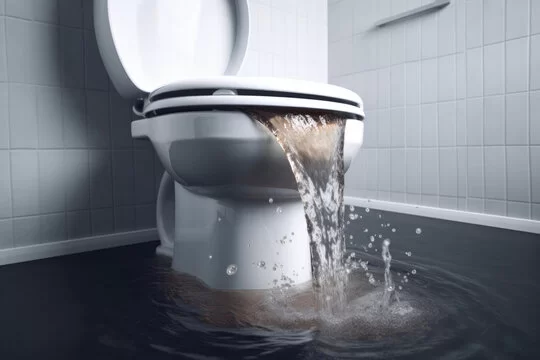
severe leaks, or complete blockages often occur without warning and require immediate intervention. Proactive replacement eliminates weak points before they fail catastrophically. This reduces the risk of emergency sewer and drain repair calls, water damage claims, and unexpected disruptions to daily routines. Preventing emergencies is especially valuable in properties with limited access to plumbing infrastructure or in multi-unit buildings where drain failures can affect multiple occupants.
While replacement resolves existing issues, ongoing care supports longevity. Avoiding harsh chemicals, using drain covers to limit hair buildup, and addressing slow drainage early all help maintain performance. Periodic professional drain and sewer cleaning may be recommended in high-use households to preserve optimal flow.
Replacing a shower drain is more than a localized fix. It strengthens the entire plumbing and drainage system by restoring proper flow, eliminating hidden leaks, and reducing stress on connected components. From supporting fixtures like toilets, sinks, and faucets to
protecting sewer lines and structural elements, shower drain replacement delivers comprehensive benefits that extend well beyond the shower itself.
Our team covers cities across Ontario and nearby communities: