

Areas Our Plumbers Serve
Our team covers cities across Ontario and nearby communities:



 Call us and we’ll come to you (888) 998-2195


Achievements of Maple Leaf Plumber





Hundreds of verified reviews

Very quick frozen pipe repair and super respectful technician.
Very knowledgeable technician and no unnecessary upselling. Well pump repair was done properly the first time.
Needed a new drain line installed during renovations at our Elder Mills property and Maple Leaf Plumbers coordinated everything smoothly with the contractors already working there.
Good communication, honest pricing, and no more sewer smell.
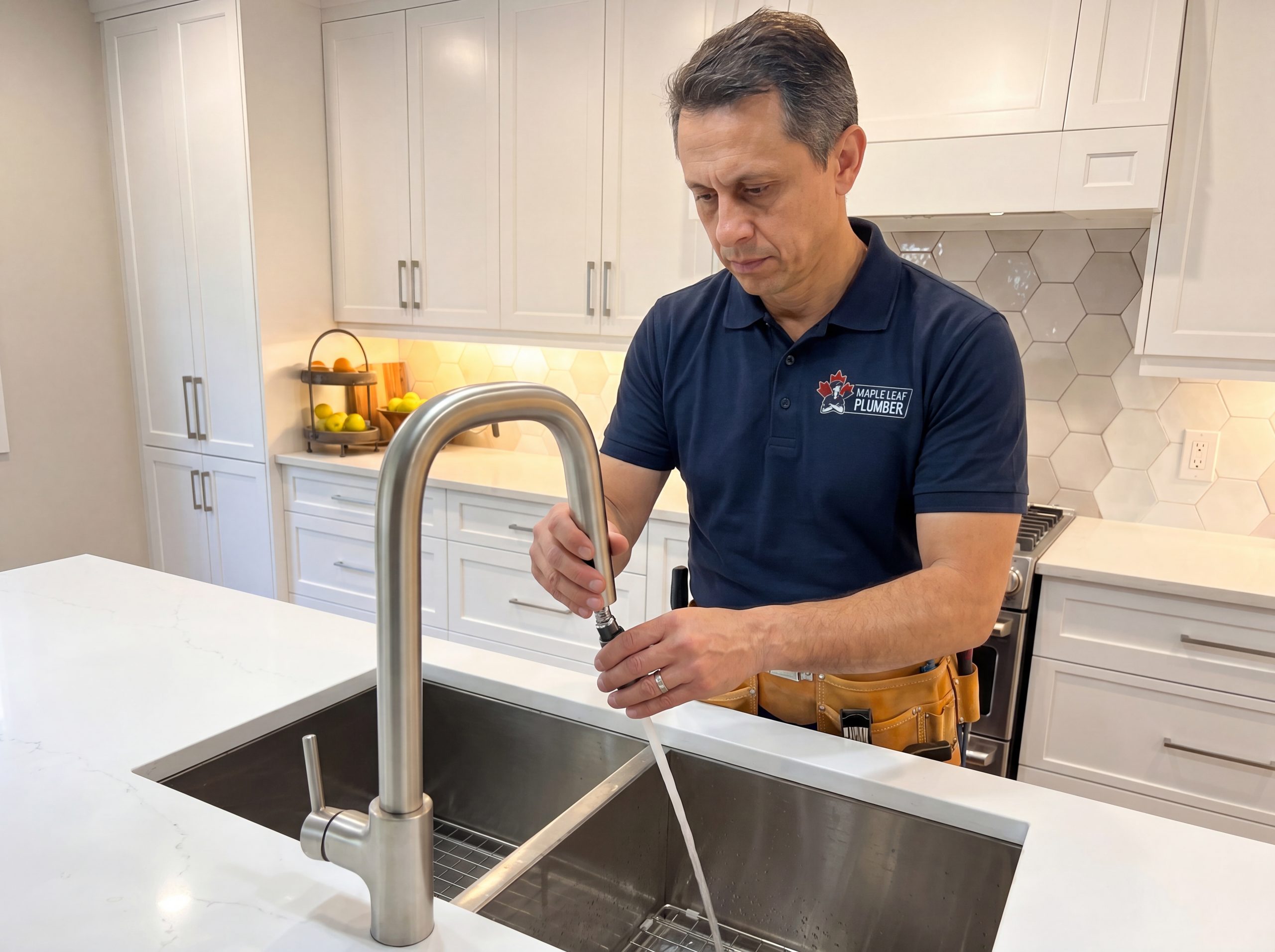
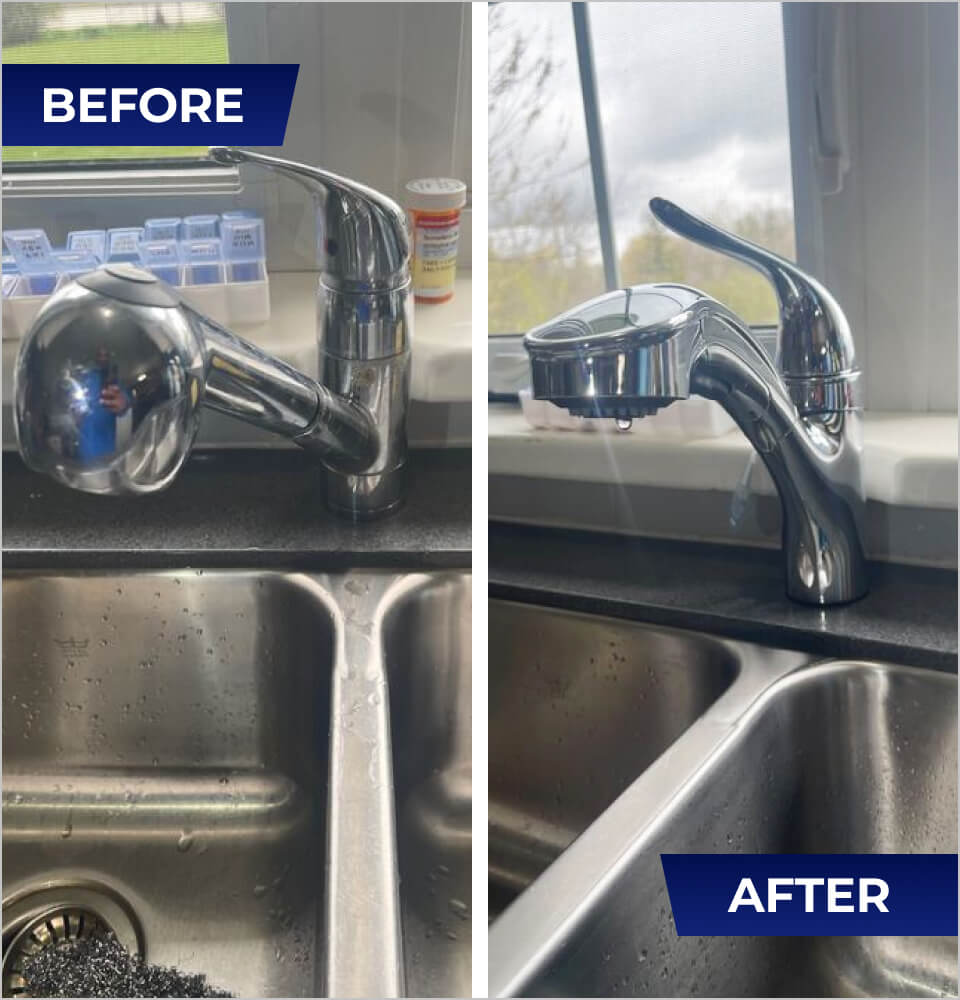
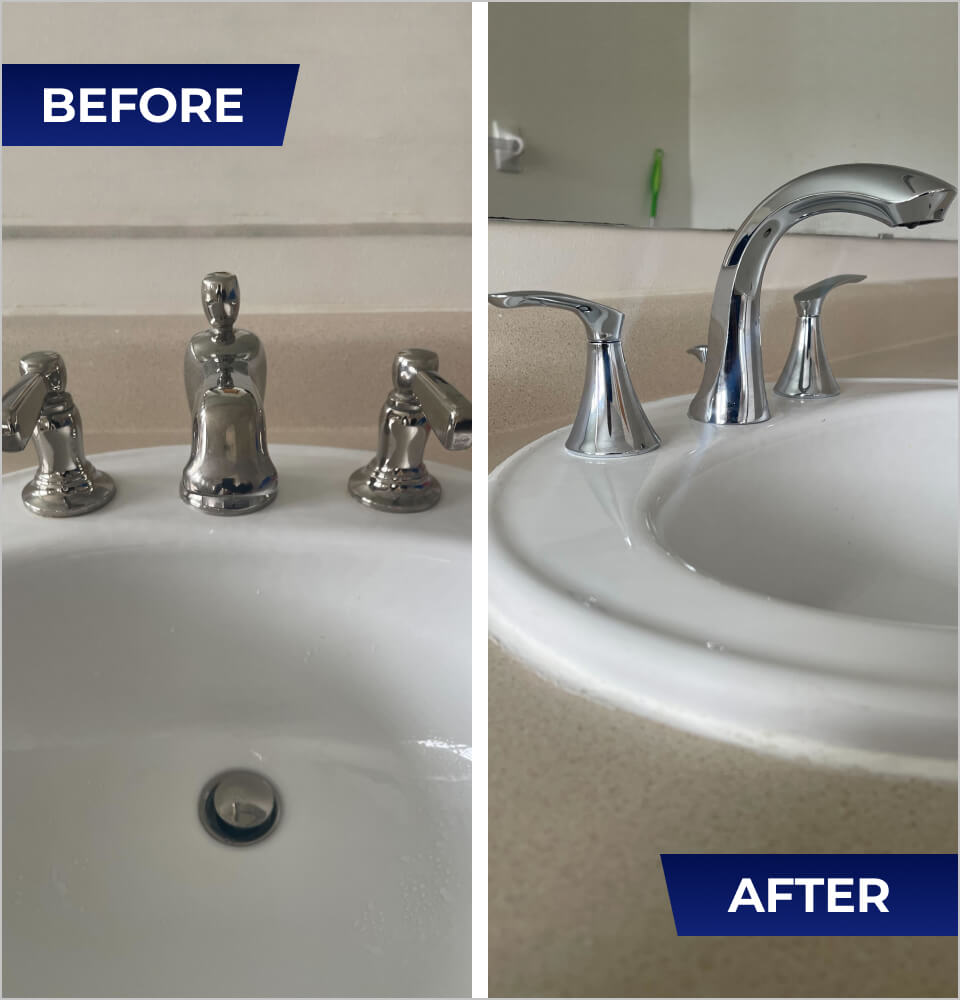
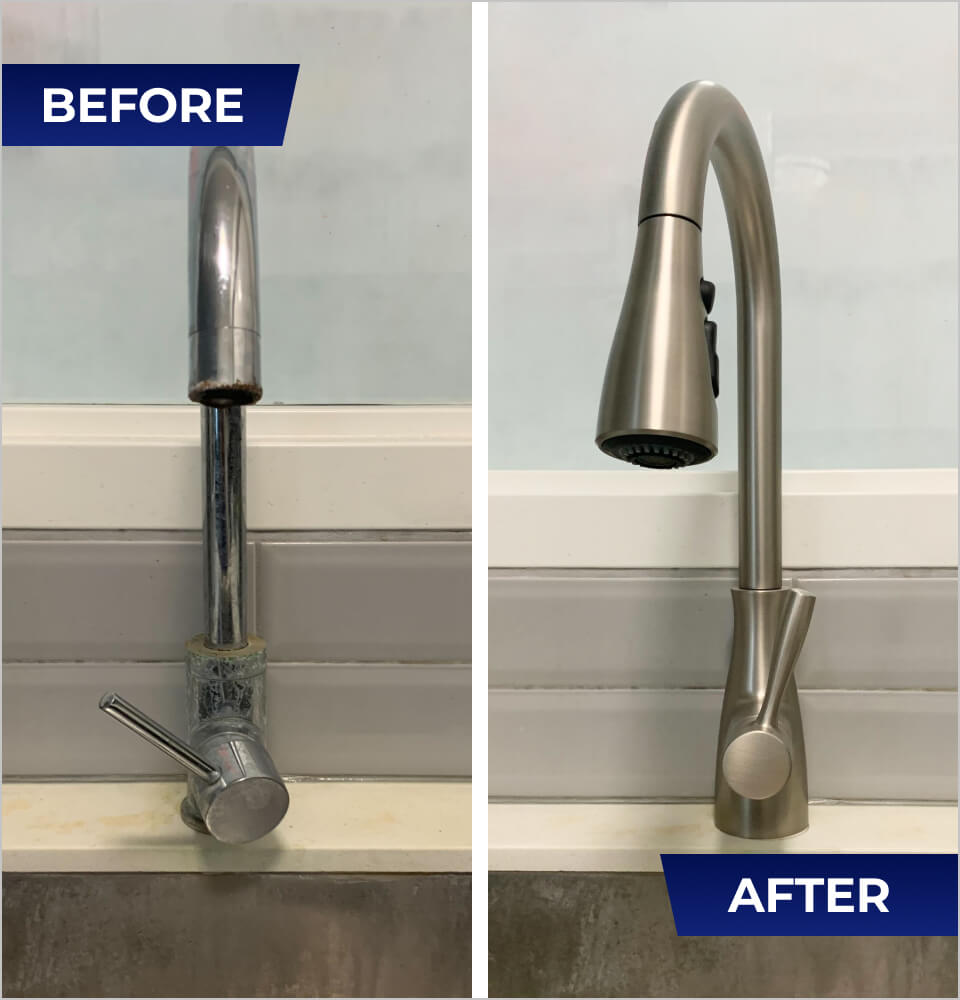
Bought a fancy kitchen faucet online and realized halfway through trying to install it that I was way over my head. The technician came to our place and had it installed perfectly.
Our office in Concord started getting a sewer smell near the washrooms and employees were complaining nonstop. Maple Leaf Plumbers cleaned the line out properly and explained exactly what caused the issue.
Reliable emergency service and the technician stayed until everything was fully checked.
We’d been dealing with slow drains for over a year at our home and nothing lasted longer than a few weeks. Hydro jetting finally solved the problem properly.
Really smooth shower repair service. Everything’s working perfectly again. The technician was fast, reliable and easy to deal with.
Our kitchen sink kept backing up every Sunday like clockwork and it was getting ridiculous. Maple Leaf Plumbers finally figured out there was a buildup deeper in the line that previous companies completely missed. Haven’t had an issue since.
We noticed part of the hardwood floor near the kitchen in our Kleinburg house starting to warp slightly. Maple Leaf Plumbers found a hidden leak before it caused major damage.
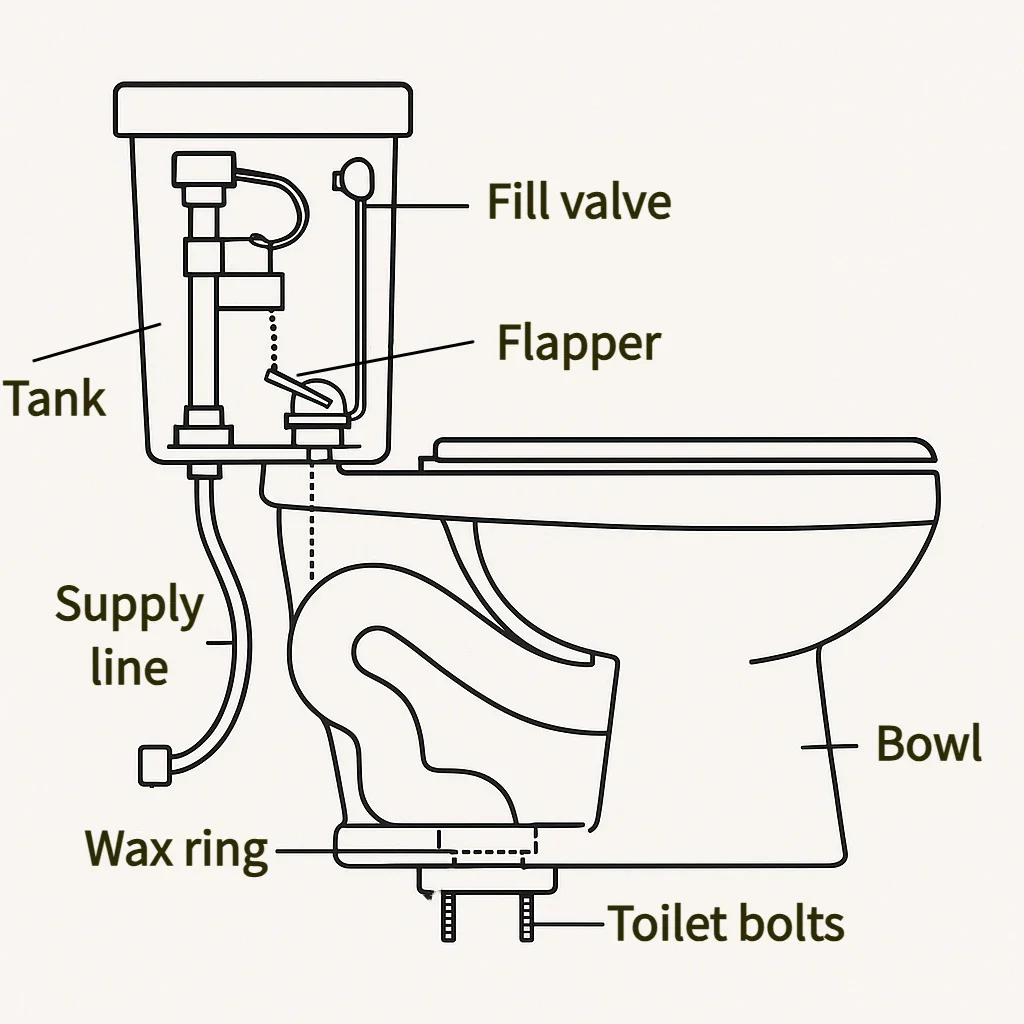
Feb 22, 2024The toilet in our basement bathroom near Maple GO station wouldn’t stop running and the noise was driving everyone insane at night. The technician fixed it way quicker than expected.
Feb 22, 2024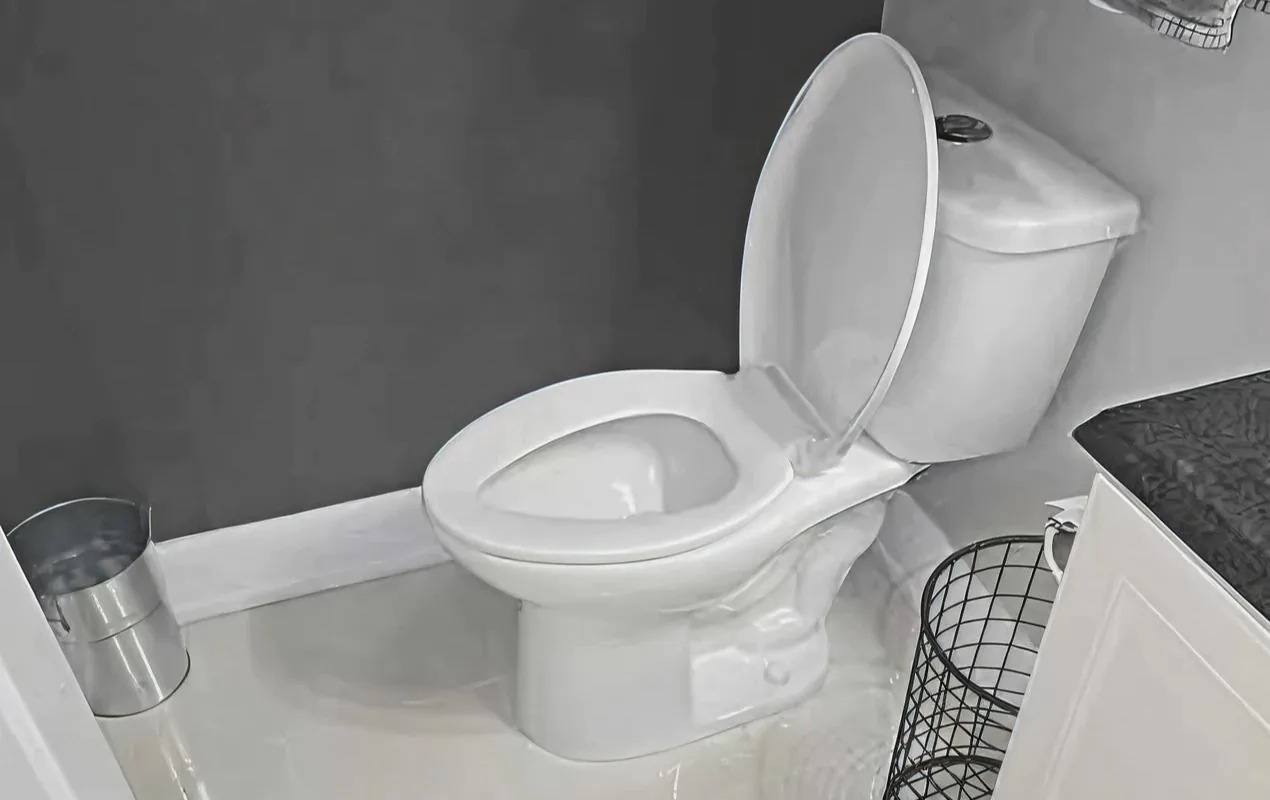
A kitchen sink backing up is one of the most disruptive and frustrating plumbing problems a homeowner or business can experience. Unlike slow drains that develop gradually, a kitchen sink backup often appears suddenly, bringing everyday tasks to a halt. We provide professional drain cleaning services to remove hardened grease and restore full pipe capacity. Water rising in the sink, food debris resurfacing, unpleasant odors, and standing wastewater are not only inconvenient but also unsanitary. Because the kitchen sink handles grease, food waste, soap residue, and organic material daily, it is particularly vulnerable to blockages that require professional attention.
A backed-up kitchen sink is rarely just a surface issue. While it may seem like a localized clog beneath the sink, it often signals a deeper drainage problem that can worsen if left untreated. Professional plumbing service ensures the backup is cleared safely, completely, and in a way that prevents recurrence. Treating the symptom alone without addressing the underlying cause can result in repeated backups, pipe damage, and costly repairs over time. Our plumbers handle installing kitchen sink drain systems to improve long-term drainage performance.
Kitchen sinks experience a unique combination of stressors that make them more susceptible to blockages than bathroom or laundry drains. Every day, grease, oils, fats, food particles, starches, and soap residues flow through kitchen drain pipes. Even when scraped plates and strainers are used, microscopic particles and liquefied grease still enter the system.
Unlike hair clogs common in bathroom sinks, kitchen drain buildup tends to harden and spread along pipe walls, making it much harder to remove with basic tools.
In homes with older plumbing, smaller pipe diameters, and aging materials, the likelihood of backups further increases. In commercial kitchens, high-volume usage accelerates buildup dramatically, making professional drain maintenance essential.
A kitchen sink rarely backs up without warning. Many backups are preceded by subtle signs that indicate developing drainage issues. Recognizing these early symptoms can prevent a full blockage and minimize damage.
Slow drainage is often the first indicator. Water that lingers in the sink after use suggests a partial obstruction. Gurgling sounds coming from the drain may indicate trapped air caused by restricted flow further down the line. Foul odors are another common sign, as decomposing food waste becomes trapped inside the pipes.
This often indicates a shared drain line problem rather than a simple sink clog. Ignoring these symptoms allows the buildup to worsen until water has nowhere to go but back up into the sink. Professional water testing services help ensure wastewater issues have not affected water quality after backups.
When a kitchen sink fully backs up, wastewater can rise quickly and overflow onto countertops or floors. This water is not clean; it contains food waste, grease, and bacteria that pose health risks. Immediate cleanup is required to prevent contamination, staining, and damage to cabinets and flooring.
Over time, this pressure may lead to leaks behind walls or under cabinets, resulting in hidden water damage. In severe cases, backups can indicate main drain or sewer line issues that affect multiple fixtures in the home. Our leak detection services help identify water damage caused by repeated kitchen sink overflows.
Professional intervention at the first sign of a full backup helps prevent escalation and protects the integrity of the plumbing system.
Many homeowners attempt to resolve kitchen sink backups using plungers, chemical drain cleaners, or store-bought drain snakes.
Chemical drain cleaners are especially problematic. They often fail to dissolve grease-based blockages and can damage pipes, especially older ones.
Plungers may dislodge surface obstructions but often push grease and debris further down the line, where it continues to accumulate. Handheld drain snakes frequently lack the reach and power needed to clear hardened buildup deeper in the pipe.
Professional plumbers use specialized equipment designed to remove grease, food waste, and scale safely without damaging the plumbing system.
Effective kitchen sink backup service begins with an accurate diagnosis. A professional plumber evaluates whether the backup is isolated to the sink or part of a larger drainage issue. This includes checking nearby fixtures, dishwasher connections, and the drain line.
Plumbers often rely on specialized diagnostic equipment to find the exact source of the blockage rather than making assumptions. This approach reduces the risk of recurring backups and ensures the entire affected section of pipe is addressed.
Professional diagnosis also helps determine whether additional services, such as drain cleaning or sewer inspection, are necessary.
Experienced professionals apply proven equipment and techniques to restore proper kitchen sink drainage. Mechanical drain snakes designed for grease removal can break through hardened buildup and restore flow. In more severe cases, hydro jetting may be used to scour pipe walls with high-pressure water, removing grease, food residue, and mineral scale completely.
This reduces the likelihood of immediate recurrence and improves overall drainage performance.
After clearing the backup, plumbers test the system thoroughly to ensure proper flow and identify any additional issues.
Delaying service for a kitchen sink backup allows damage to worsen. Grease continues to harden, debris accumulates, and pressure builds within the system. What may start as a manageable clog can evolve into a main drain or sewer line issue.
Quick professional response minimizes damage, reduces cleanup costs, and prevents contamination. Acting early also preserves the lifespan of the plumbing system and avoids more invasive repairs.
While many kitchen sink backups are localized, some indicate deeper issues within the plumbing system. Repeated backups, multiple affected fixtures, or backups that occur when other appliances run may signal problems with the main drain or sewer line.
Professional plumbers assess these patterns to determine whether further inspection is required. Addressing underlying system issues early prevents widespread backups and costly damage.
Professional service does more than clear the immediate blockage. By addressing grease buildup, pipe condition, and usage patterns, plumbers provide solutions that last.
Over time, professional care reduces emergency calls, protects property value, and ensures a healthier kitchen environment.
Early Signs
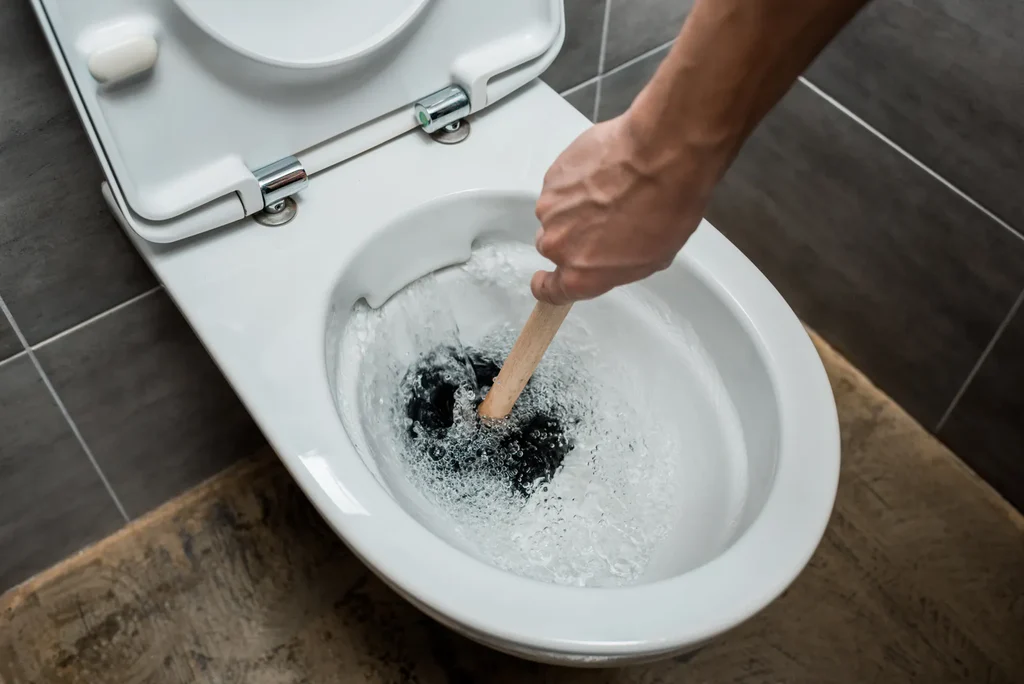
A kitchen sink backing up is rarely an isolated plumbing
event. While the visible symptom appears at the sink, the underlying cause often extends deeper into the drainage system. Understanding how these blockages develop, how they behave inside pipes, and why professional intervention is essential helps property owners avoid repeat issues and long-term damage. Section 1 continues by examining advanced causes, interconnected plumbing systems, emergency scenarios, and the professional solutions that restore reliability. We provide emergency plumbing services for sudden kitchen sink backups that require immediate attention.
A kitchen sink backing up is more than an inconvenience—it can lead to unpleasant odors, water damage, and unsanitary conditions. Maple Leaf Plumber provides prompt and reliable service to clear blockages, restore proper drainage, and get your kitchen back to normal as quickly as possible.

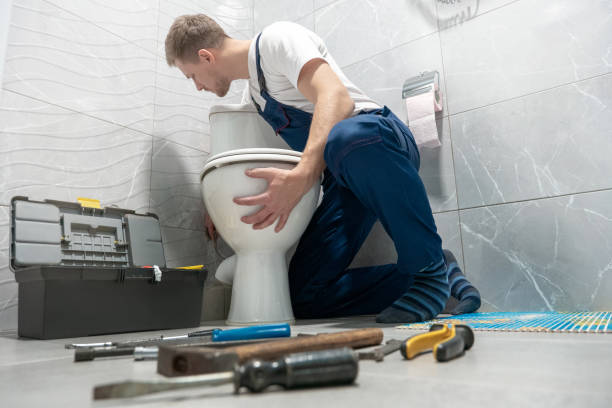 01
01 
We locate the blockage in:
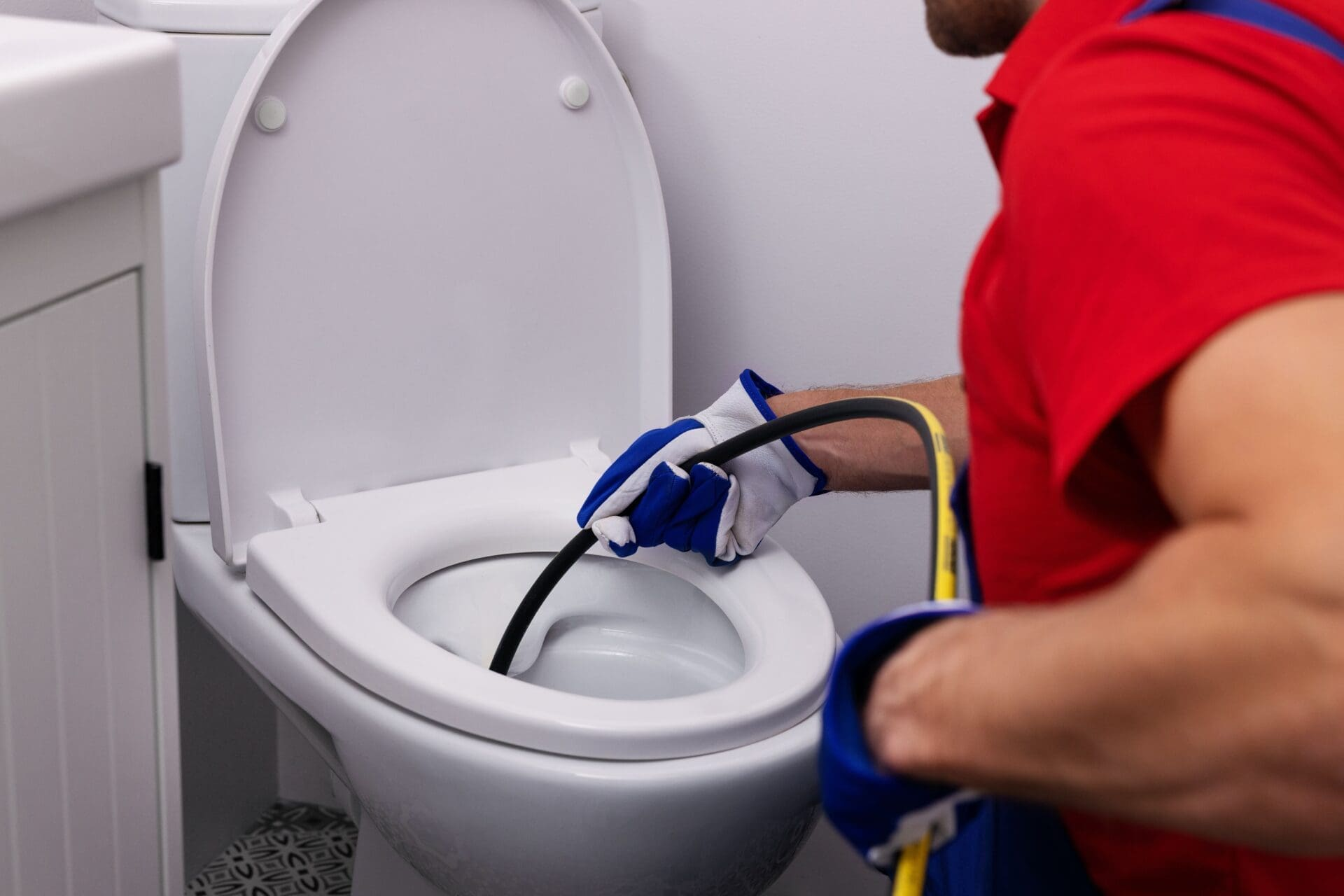 02
02 We clear the blockage:
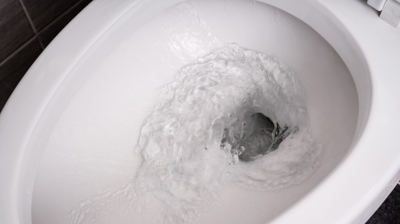 03
03 We confirm:
Grease is the single most destructive substance for kitchen drain systems, yet it is also the most misunderstood. However,
once it leaves the heat of the sink and enters cooler sections of the pipe, it begins to solidify. This solidified grease adheres to pipe walls, forming a sticky coating. Each time the sink is used, additional grease and food particles accumulate on this layer, slowly reducing the pipe’s internal diameter. Unlike hair clogs, which often form localized obstructions, grease buildup spreads along long sections of piping. This is why kitchen sink backups often recur after temporary fixes. Over time, grease can harden to the point where water can no longer pass through efficiently, leading to sudden, complete backups. Professional removal is required to eliminate grease entirely, rather than simply puncturing it.
Many homeowners assume that the sink trap is the primary location for clogs. While the trap does catch larger debris, most
serious kitchen sink backups occur beyond this point. Fine food particles, starches, and organic matter pass through the trap and accumulate further down the line. Coffee grounds, eggshells, and fibrous vegetable waste do not break down easily, contributing to buildup. Garbage disposals, although helpful, do not eliminate this problem. They reduce food size but do not remove it from the system. Professional plumbers address this buildup by cleaning the entire pipe diameter rather than focusing solely on the trap area.
Dish soap and detergents are often assumed to help keep drains clean. While they may temporarily liquefy grease near the
sink, they also contribute to long-term buildup. Soap residue combines with grease and minerals to form a thick, waxy substance that coats the interior of pipes. In areas with hard water, mineral deposits bind soap residue and grease, accelerating the formation of blockages. This combination is especially difficult to remove without professional equipment designed to thoroughly scour pipe walls.
Kitchen sinks often share drain lines with dishwashers. When a kitchen sink backs up, wastewater may flow into the dishwasher or vice versa. This is a strong indicator that the blockage is located beyond the individual appliance connection. Running the
Drain pipes rely on gravity to move waste away from the sink. If pipes are not sloped correctly, water slows down, allowing grease and debris to settle rather than flow. Over time, this leads to persistent buildup and frequent backups.
Older homes are particularly susceptible to slope-related issues due to outdated plumbing standards or structural shifts. Even small deviations in slope can significantly affect drainage performance. Professional assessment identifies slope issues and determines whether pipe adjustment or replacement is necessary to restore proper flow.

Our team covers cities across Ontario and nearby communities: