

Areas Our Plumbers Serve
Our team covers cities across Ontario and nearby communities:



 Call us and we’ll come to you (888) 998-2195


Achievements of Maple Leaf Plumber






Hundreds of verified reviews

Very quick frozen pipe repair and super respectful technician.
Very knowledgeable technician and no unnecessary upselling. Well pump repair was done properly the first time.
Needed a new drain line installed during renovations at our Elder Mills property and Maple Leaf Plumbers coordinated everything smoothly with the contractors already working there.
Good communication, honest pricing, and no more sewer smell.
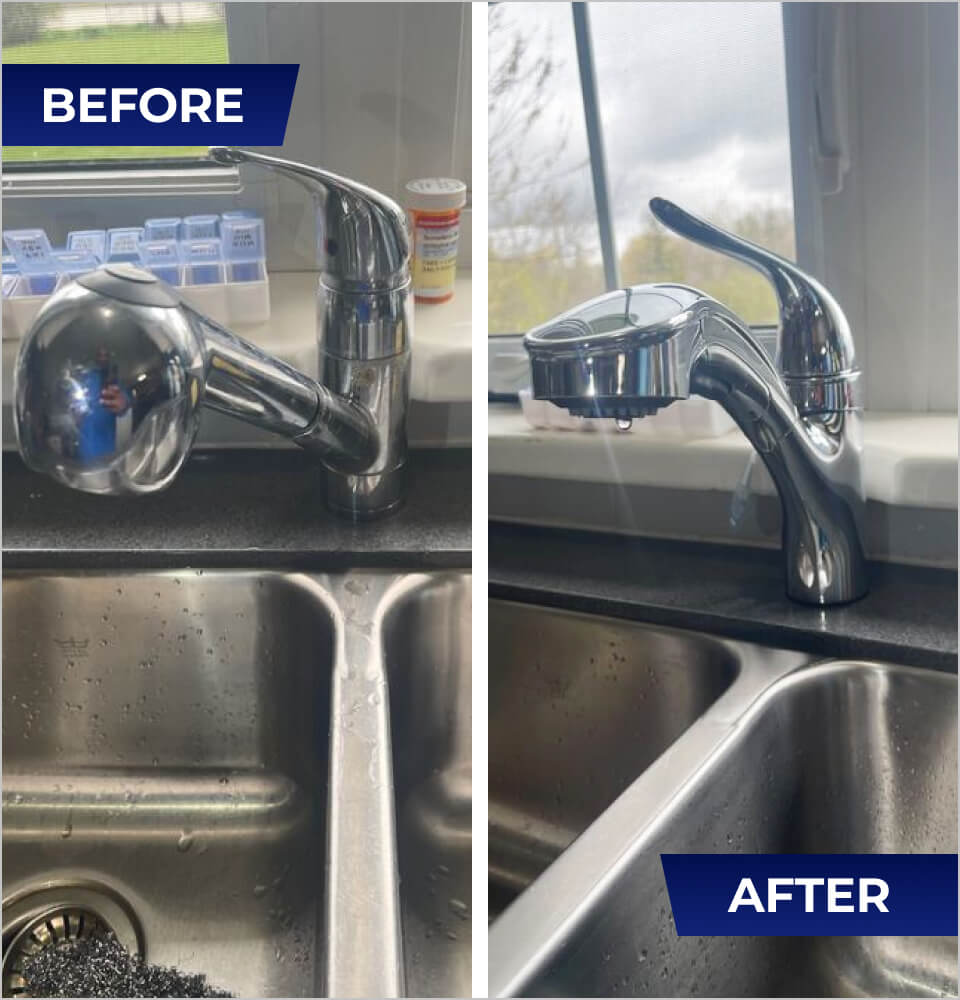
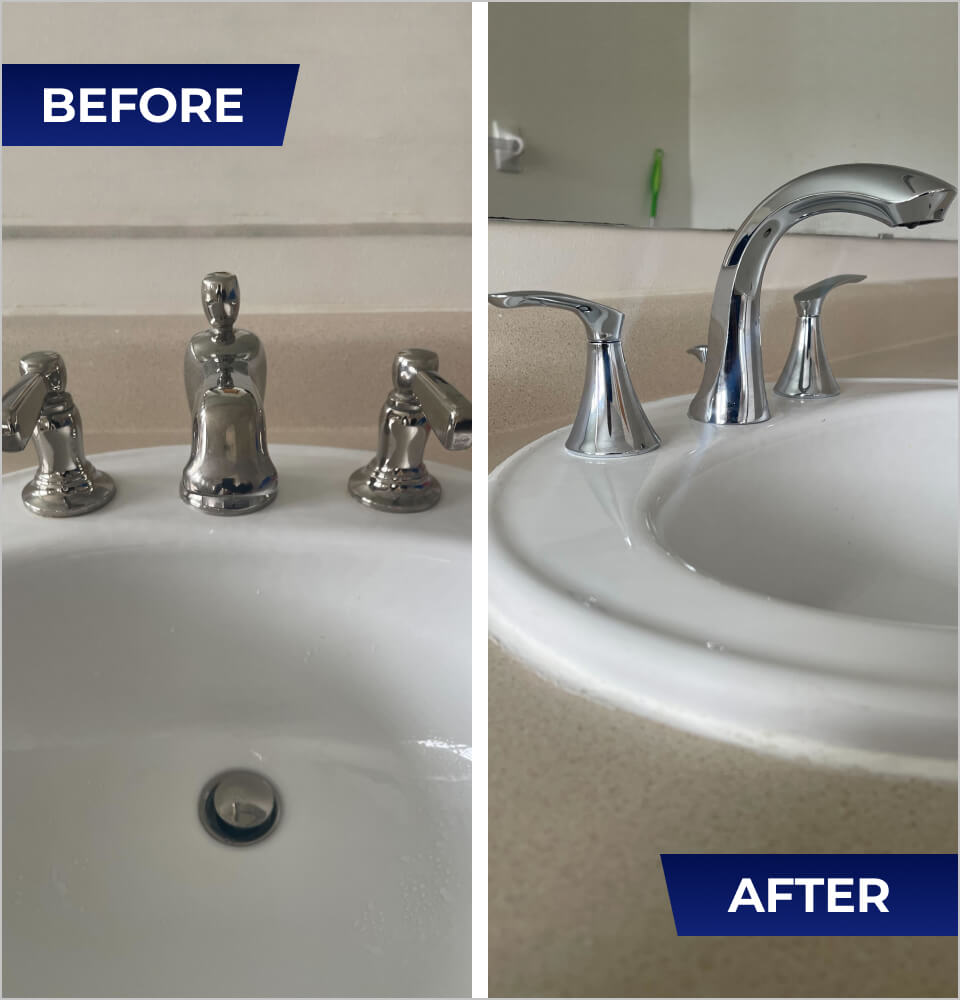
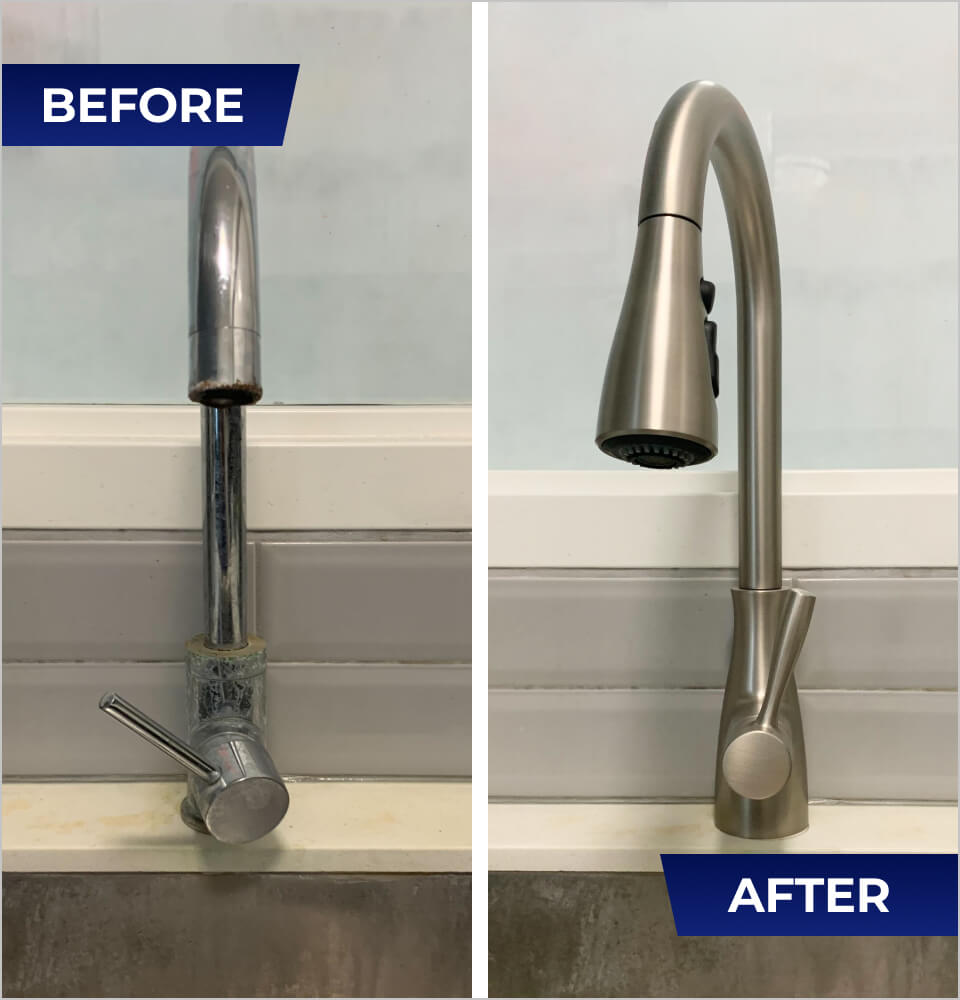
Bought a fancy kitchen faucet online and realized halfway through trying to install it that I was way over my head. The technician came to our place and had it installed perfectly.
Our office in Concord started getting a sewer smell near the washrooms and employees were complaining nonstop. Maple Leaf Plumbers cleaned the line out properly and explained exactly what caused the issue.
Reliable emergency service and the technician stayed until everything was fully checked.
We’d been dealing with slow drains for over a year at our home and nothing lasted longer than a few weeks. Hydro jetting finally solved the problem properly.
Really smooth shower repair service. Everything’s working perfectly again. The technician was fast, reliable and easy to deal with.
Our kitchen sink kept backing up every Sunday like clockwork and it was getting ridiculous. Maple Leaf Plumbers finally figured out there was a buildup deeper in the line that previous companies completely missed. Haven’t had an issue since.
We noticed part of the hardwood floor near the kitchen in our Kleinburg house starting to warp slightly. Maple Leaf Plumbers found a hidden leak before it caused major damage.
Feb 22, 2024The toilet in our basement bathroom near Maple GO station wouldn’t stop running and the noise was driving everyone insane at night. The technician fixed it way quicker than expected.
Feb 22, 2024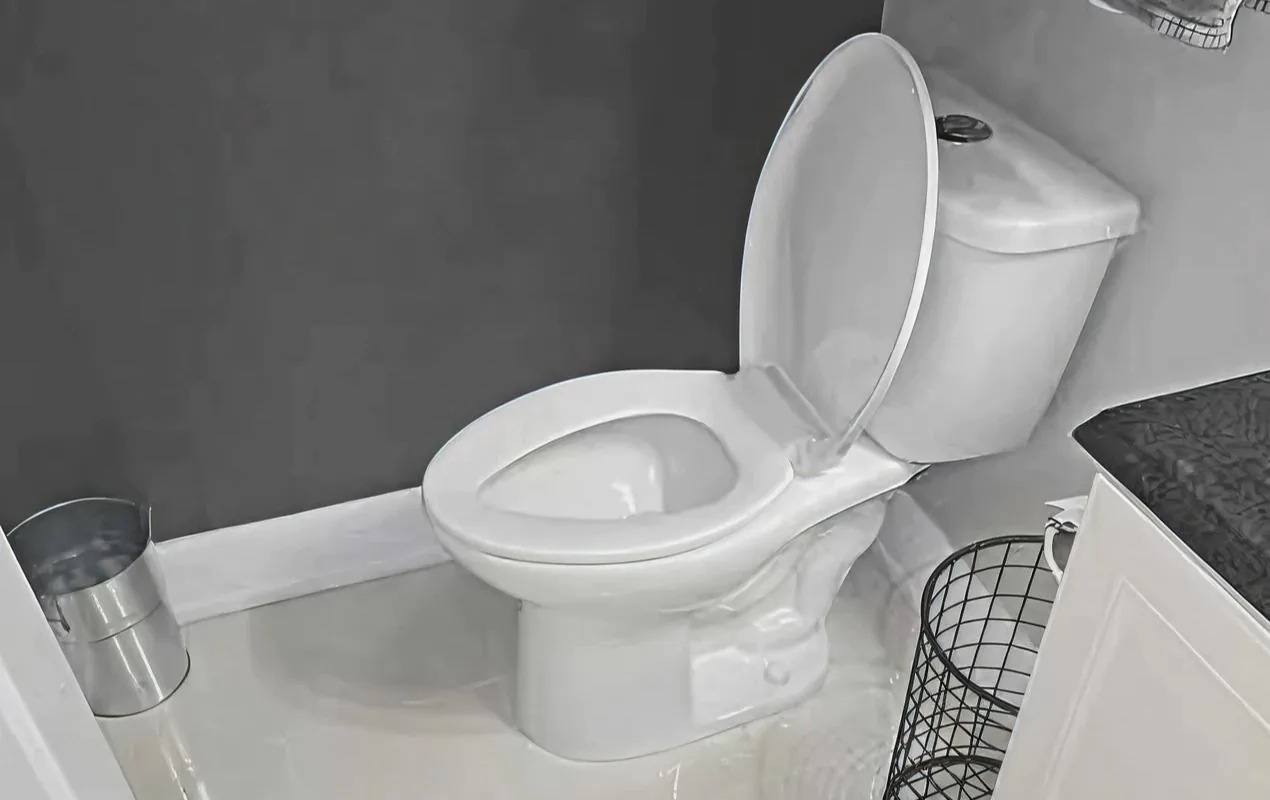
Installing a bathroom sink drain is a critical step in creating a functional, hygienic, and long-lasting plumbing system. While the sink itself may be the most visible fixture, the drain beneath it plays an equally important role in daily use. A properly installed bathroom sink drain ensures smooth water flow, prevents leaks, minimizes odors, and reduces the risk of backups that can disrupt the entire bathroom. When drain installation is done incorrectly, even the best sink and faucet can quickly become sources of frustration, water damage, and recurring service calls.
Unlike emergency issues such as a clogged toilet or a sudden bathroom sink backup, drain installation problems often remain hidden until damage appears. Water may seep slowly beneath cabinets, connections may loosen over time, or debris may accumulate faster than expected. Professional installation focuses on accuracy, alignment, and compatibility with the rest of the plumbing system to prevent these issues before they develop.
The bathroom sink drain handles frequent use every day. Toothpaste, soap residue, hair, cosmetics, and small debris repeatedly pass through the drain, placing constant demand on the piping system. If the drain is not installed with the correct slope, sealing, and alignment, water movement slows, and residue settles inside the pipe. Over time, this leads to recurring clogs, foul odors, and eventually the need for drain repair or replacing the bathroom sink drain.
Proper installation supports not only the sink itself but also nearby fixtures such as showers, bathtubs, and toilets. Drainage systems are interconnected, and poor performance at one fixture can influence others. A correctly installed sink drain helps maintain balanced flow throughout the bathroom, reducing the likelihood of problems like sewer backup in the shower or pressure disruptions that affect bathroom faucet repair and bathroom faucet installation.
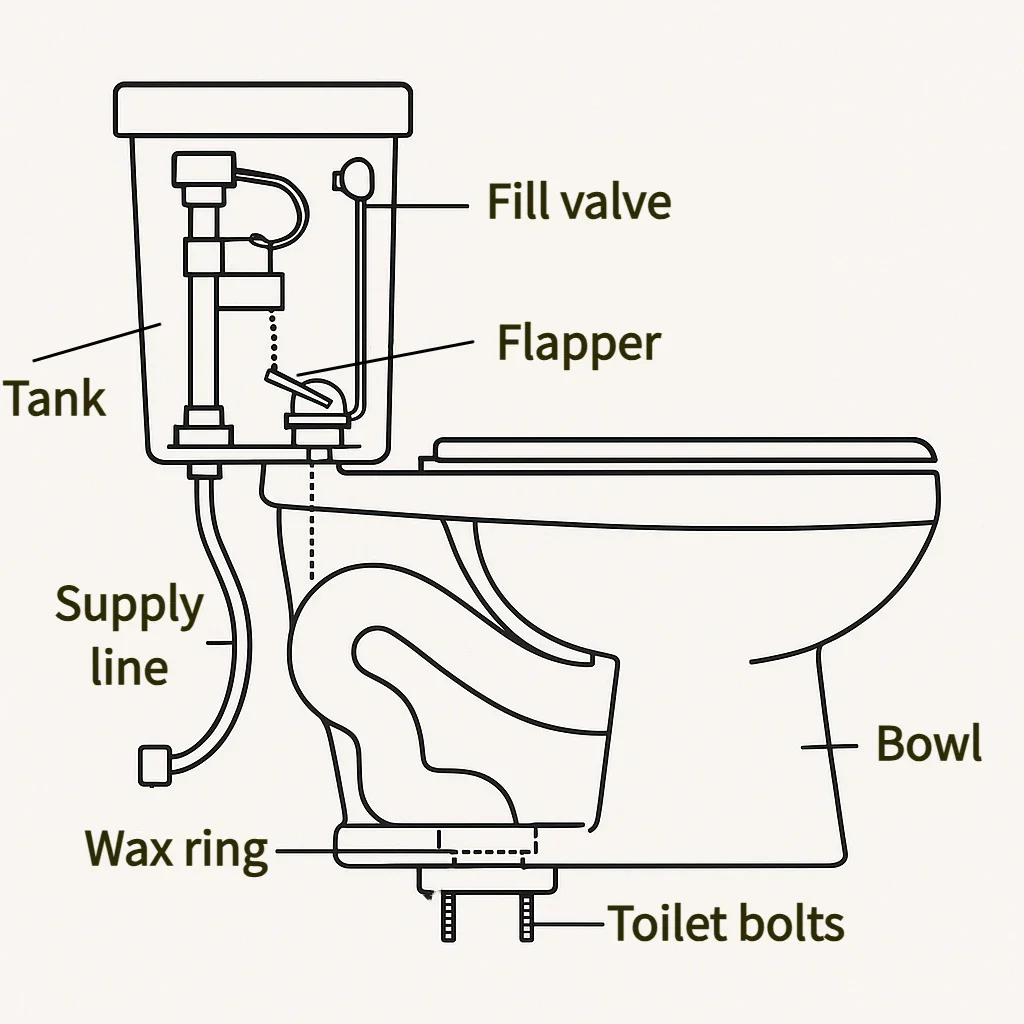
A bathroom sink drain system consists of multiple components that must work together seamlessly. The drain opening connects to the sink strainer, which prevents large debris from entering the pipe. Below the strainer, the tailpiece directs water into the trap assembly.
From the trap, the drain line slopes downward and connects to the branch drain serving the bathroom. This branch line may also connect to other fixtures, making correct installation essential for overall system performance. Each connection point must be secure, properly sealed, and aligned to prevent leaks and flow restrictions.
The sink type, cabinet layout, and existing plumbing configuration all influence how the drain should be installed. Older homes may have outdated piping materials or previous installation errors that need correction. Attempting to connect a new drain to compromised plumbing increases the risk of leaks and future backups. In some cases, drain line installation is coordinated with other services, such as toilet, shower, or bathtub installation, to ensure system compatibility.
Planning also includes verifying proper venting. Adequate venting allows air to flow through the system, supporting smooth drainage and preventing gurgling or slow flow.
Drain slope is one of the most important factors in installing a bathroom sink drain. Pipes must slope downward at a consistent angle to allow gravity to carry wastewater away efficiently. If the slope is too shallow, water moves slowly and debris settles. If the slope is uneven, waste may collect at low points, leading to recurring blockages.
Proper alignment ensures that components fit together naturally without forcing connections. Forced alignment places stress on joints and seals, increasing the risk of leaks beneath the sink. Professional installation ensures the drain line follows a smooth, uninterrupted path, supporting reliable flow.
Bathroom sink drains are available in various materials, including PVC, ABS, and metal. Selecting compatible materials prevents corrosion, leaks, and premature failure.
Using high-quality fittings and seals is equally important. Inferior components may loosen or degrade over time, especially in bathrooms where temperature changes and moisture exposure are common. Professional installers select materials designed for durability and long-term performance.
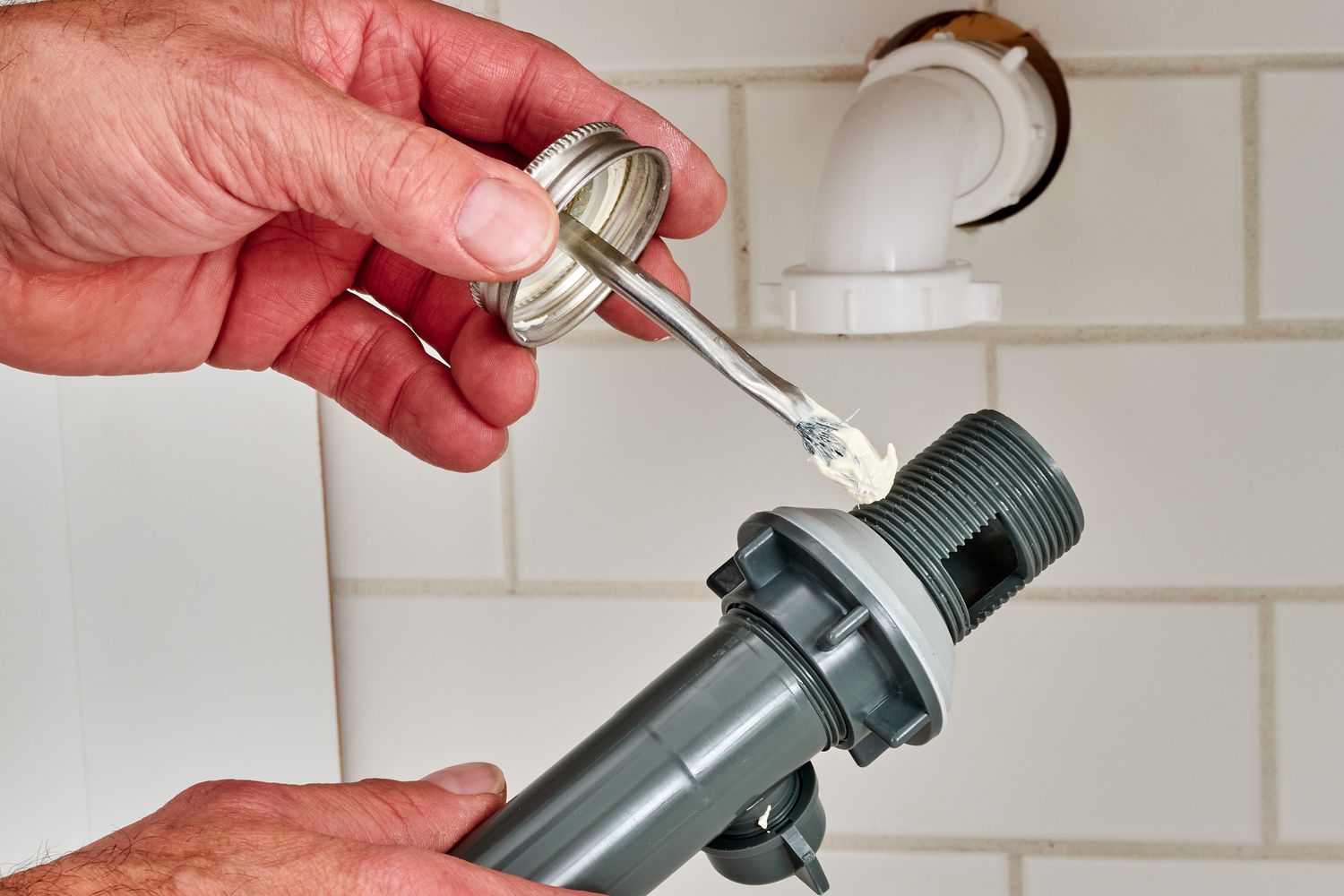
The installation process begins at the sink basin. The sink strainer must be positioned correctly and sealed evenly to prevent water from leaking beneath the sink. Improper sealing at this stage is a common cause of hidden leaks that damage cabinets and flooring.
Care is taken to ensure the strainer sits flush with the sink surface and is tightened to the correct tension. Over-tightening can crack components, while under-tightening allows water to escape. Professional installation balances these factors to achieve a secure, watertight connection.
The trap assembly plays a critical role in drainage performance and odor prevention. It must be installed at the correct height and orientation to maintain a proper water seal while allowing wastewater to flow freely.
Improper trap installation can cause slow drainage, siphoning, or sewer odors. Excessive bends or misalignment restrict flow and increase the likelihood of clogs. Professional installation ensures the trap connects smoothly to both the tailpiece and branch drain without stress or unnecessary angles.
Once the trap assembly is in place, the drain is connected to the branch line. This connection must be secure, properly aligned, and adequately supported. Poor support allows pipes to sag over time, altering slope and increasing debris accumulation.
Professional installers ensure that connections are sealed correctly and that the drain line is supported to maintain proper alignment. This step is essential for long-term reliability and helps prevent future issues that may require drain snaking or hydro jetting.
Water is run through the sink to check for leaks, confirm smooth drainage, and ensure the trap holds its seal. Testing under normal use conditions helps identify minor adjustments before the system is placed into daily service.
Early testing prevents hidden problems from going unnoticed and ensures the bathroom sink drain is ready for regular use without risk.
Early Signs
Accurate alignment, proper slope, durable materials,
and careful sealing all contribute to a drain system that resists clogs, leaks, and odors. This foundational work supports the entire bathroom plumbing system and reduces the likelihood of future service needs such as drain line installation, sewer line cleaning, or emergency sewer and drain repair.
Maple Leaf Plumber’s licensed and insured specialists install bathroom sink drains with accuracy and care. Our focus on quality workmanship and transparent service ensures reliable drainage and lasting confidence.

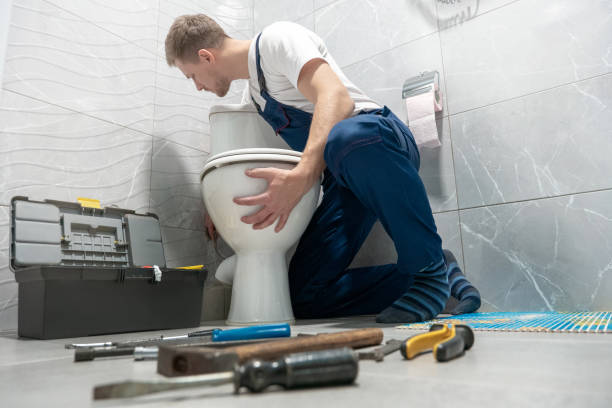 01
01
We examine:
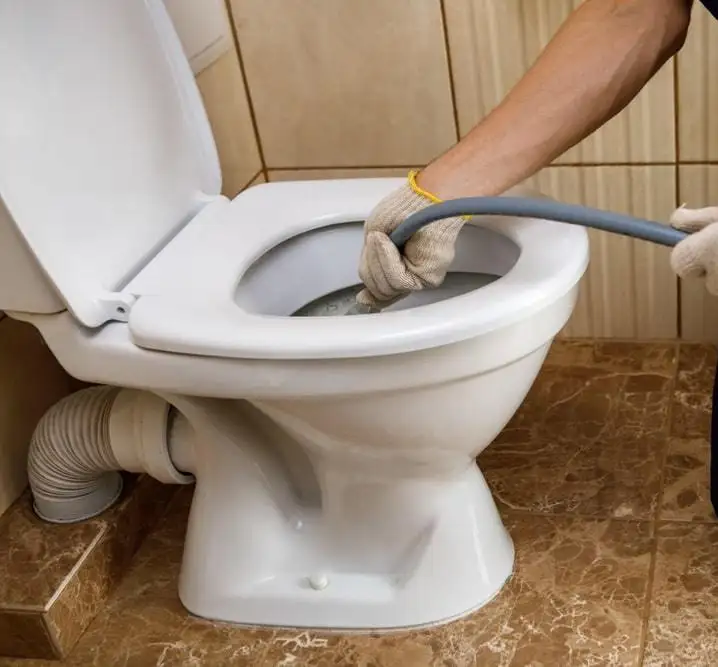 02
02 We assess:
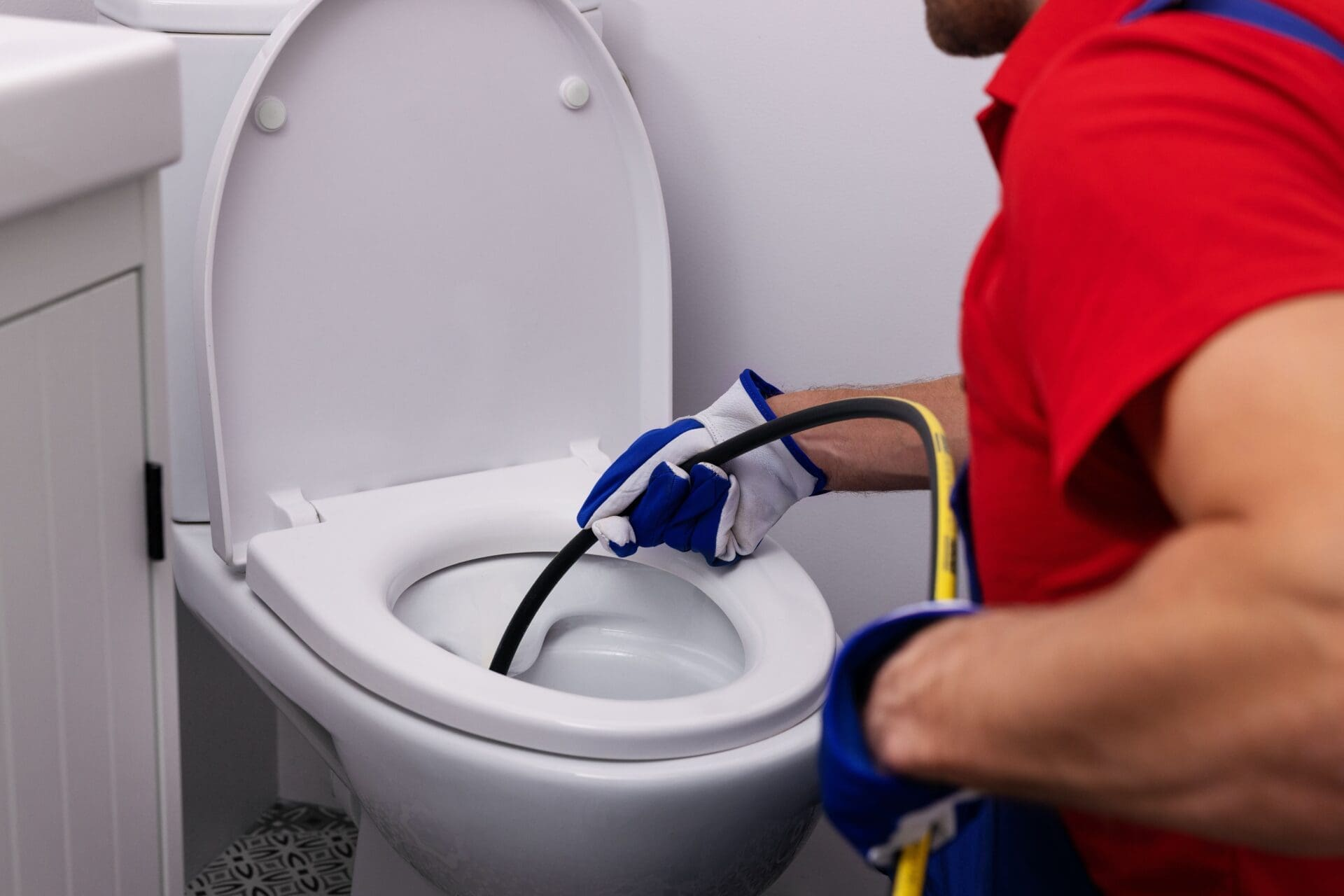 03
03 We repair or replace:
 04
04 We confirm:
Accurate alignment, proper slope, durable materials, and careful sealing all contribute to a drain system that resists clogs,
leaks, and odors. This foundational work supports the entire bathroom plumbing system and reduces the likelihood of future service needs such as drain line installation, sewer line cleaning, or emergency sewer and drain repair.
Bathrooms typically contain multiple fixtures that rely on the same branch drain or venting system. A newly installed sink
drain must work in harmony with toilet, shower, and bathtub installations to maintain balanced flow. If the sink drain is misaligned or improperly vented, it can disrupt airflow in the system, leading to slow drainage, gurgling sounds, or water level fluctuations in nearby fixtures. Coordination is especially important in bathrooms where recent upgrades have been completed. New bathroom faucet repairs or modern low-flow fixtures may alter water movement patterns. A properly installed sink drain compensates for these changes, supporting consistent drainage and preventing pressure imbalances.
Venting plays a crucial role in the performance of bathroom sink drains. Drainage systems rely on airflow to move wastewater efficiently. Without proper venting, water creates negative pressure that slows drainage or siphons water from traps, allowing sewer gases to enter the bathroom.
During installation, professionals verify that the sink drain connects correctly to the vent system. In some cases, previous renovations may have altered vent paths, requiring adjustments during drain installation. Correct vent integration reduces the risk of recurring clogs and minimizes the need for future services such as sewer camera inspections or sewer line cleaning to diagnose hidden airflow issues.
One of the most common long-term risks associated with poor drain installation is hidden leakage beneath the sink. Even small drips at connection points can cause extensive damage over time.
Professional installation emphasizes leak prevention by ensuring proper sealing, correct torque on fittings, and secure support for all drain components. Connections are checked under sustained water flow rather than just brief testing. This approach reduces the likelihood of future leak detection calls and protects surrounding structures from water damage.
Bathroom sink drain installation often involves connecting new components to existing plumbing. Mixing incompatible materials can accelerate corrosion, weaken joints, and cause premature failure. For example, connecting certain metals directly to plastic or older galvanized pipes without proper fittings can lead to long-term issues.
Professionals select transition fittings designed to maintain compatibility and durability. This attention to material selection extends the drain’s lifespan and reduces the likelihood of needing future drain repair, valve replacement, or partial drain line installation.
A well-installed bathroom sink drain considers not only current performance but also future service needs. Traps, cleanouts, and connections should remain accessible for maintenance tasks such as drain snaking, hydro jetting, or routine inspections.
Poorly planned installations that bury critical connections behind walls or tightly packed cabinetry make future service more invasive and costly. Professional installation maintains accessibility without compromising aesthetics, allowing routine maintenance to be performed efficiently if needed.
Although drains primarily handle wastewater, their performance is influenced by water supply pressure. Sudden pressure changes can affect how water moves through traps and branch drains. A properly installed sink drain accommodates normal pressure variations without siphoning or slow flow.
This balance is particularly important for properties that also rely on private water systems, such as well pump installation or repair. Consistent pressure supports stable drainage behavior and reduces stress on fittings and seals throughout the plumbing system.
Bathroom sink drains connect to larger drainage and sewer networks. Improper installation at the sink level can lead to problems further down the line, including recurring blockages or the need for sewer repair or replacement.
Professional installation ensures that the sink drain aligns with the overall drainage layout, maintaining proper slope and flow direction. This alignment supports effective drain cleaning and reduces the likelihood of system-wide issues that require extensive intervention.
A correctly installed bathroom sink drain plays a key role in odor control. Improper installation, incorrect trap depth,
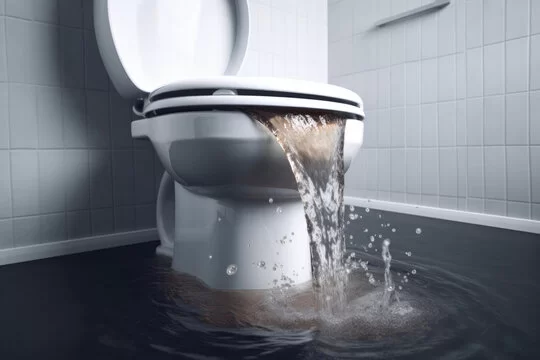
or venting issues can allow odors to escape into the bathroom. Odor problems are often mistaken for surface cleanliness issues, but they typically originate within the drain system. Proper installation eliminates these concerns and contributes to a healthier indoor environment.
Final testing is a critical step in installing a bathroom sink drain. Rather than relying on brief checks, professionals test the system under conditions that mimic daily use. This includes running water at varying flow rates and observing how the drain performs when other fixtures are used simultaneously. Testing ensures that the drain maintains proper flow even during peak usage, reducing the likelihood of future complaints or service calls related to slow drainage or backups.
Installing a bathroom sink drain correctly has a ripple effect throughout the plumbing system. Reliable drainage supports fixtures such as kitchen sink backing up, reduces stress on shared branch lines, and minimizes the need for emergency interventions like sewer jetter
services. By addressing alignment, venting, material compatibility, and accessibility during installation, professionals create a drain system that performs reliably over time.

Our team covers cities across Ontario and nearby communities: