
Areas Our Plumbers Serve
Our team covers cities across Ontario and nearby communities:




 Call us and we’ll come to you (888) 998-2195


Achievements of Maple Leaf Plumber




Hundreds of verified reviews

Very quick frozen pipe repair and super respectful technician.
Very knowledgeable technician and no unnecessary upselling. Well pump repair was done properly the first time.
Needed a new drain line installed during renovations at our Elder Mills property and Maple Leaf Plumbers coordinated everything smoothly with the contractors already working there.
Good communication, honest pricing, and no more sewer smell.
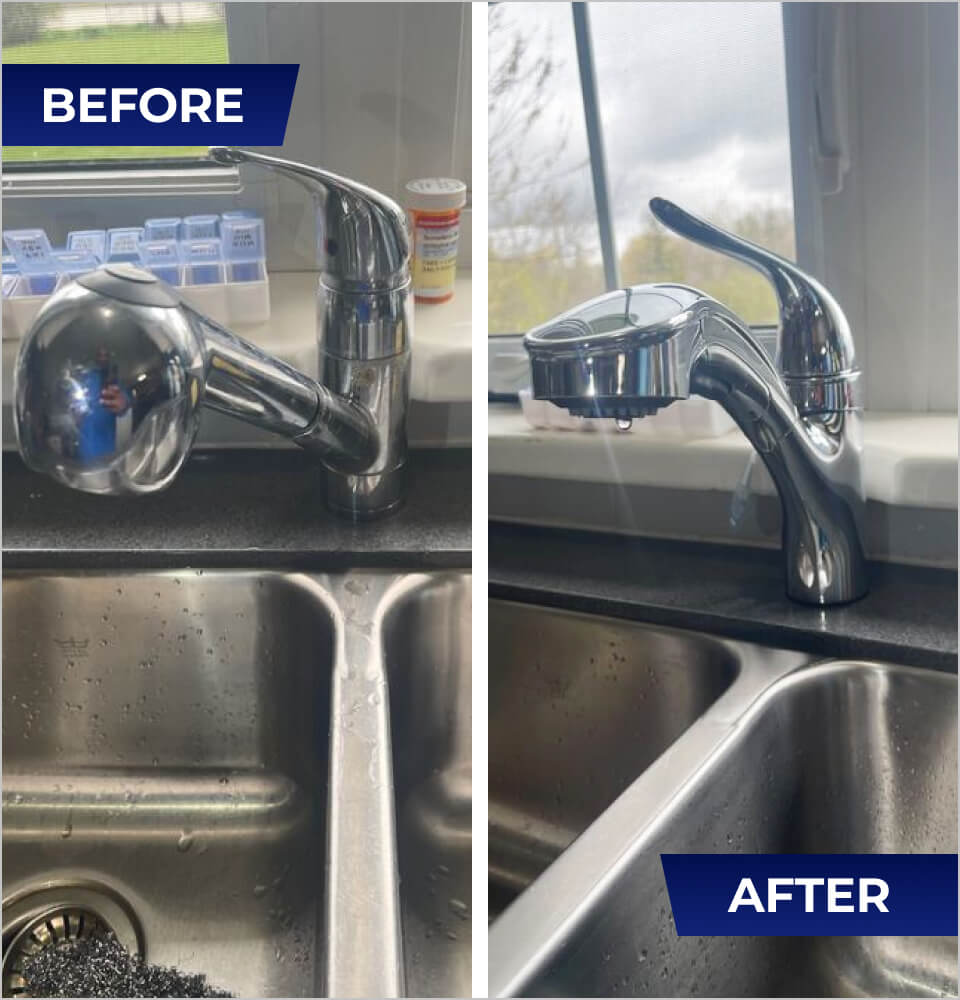
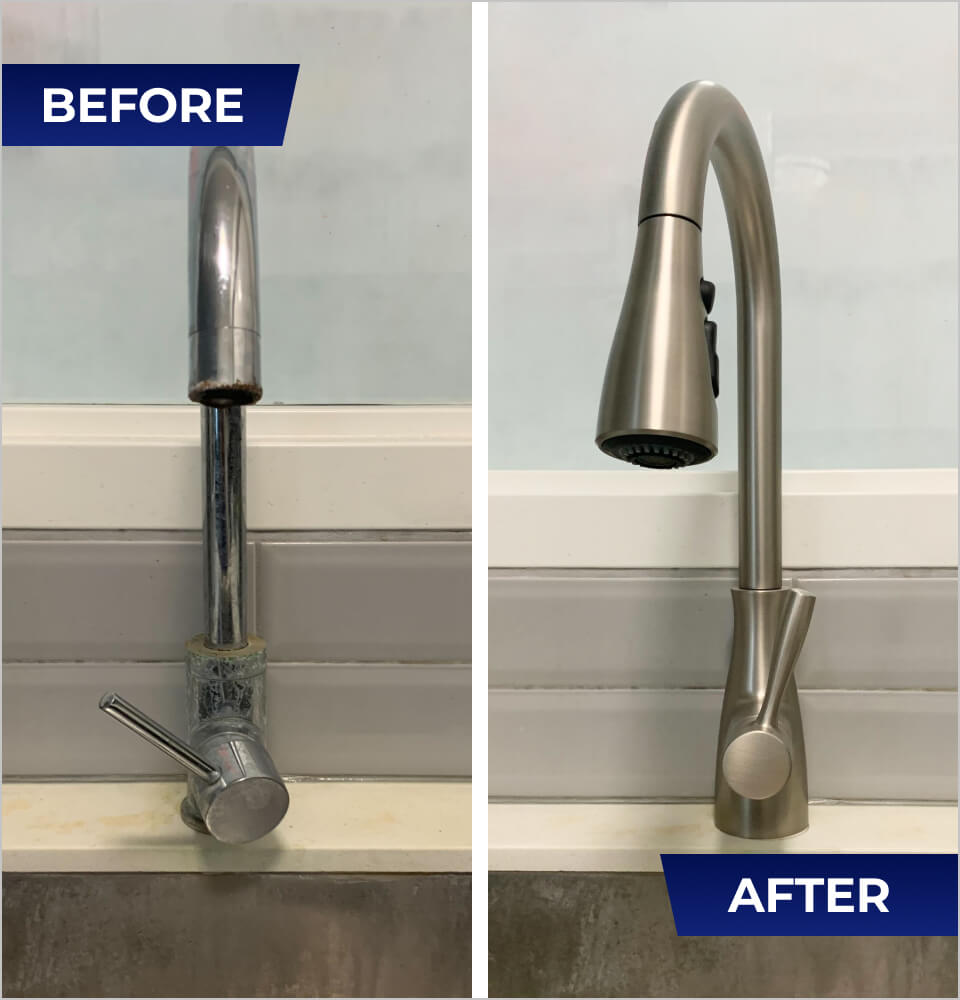
Bought a fancy kitchen faucet online and realized halfway through trying to install it that I was way over my head. The technician came to our place and had it installed perfectly.
Our office in Concord started getting a sewer smell near the washrooms and employees were complaining nonstop. Maple Leaf Plumbers cleaned the line out properly and explained exactly what caused the issue.
Reliable emergency service and the technician stayed until everything was fully checked.
We’d been dealing with slow drains for over a year at our home and nothing lasted longer than a few weeks. Hydro jetting finally solved the problem properly.
Really smooth shower repair service. Everything’s working perfectly again. The technician was fast, reliable and easy to deal with.
Our kitchen sink kept backing up every Sunday like clockwork and it was getting ridiculous. Maple Leaf Plumbers finally figured out there was a buildup deeper in the line that previous companies completely missed. Haven’t had an issue since.
We noticed part of the hardwood floor near the kitchen in our Kleinburg house starting to warp slightly. Maple Leaf Plumbers found a hidden leak before it caused major damage.
Feb 22, 2024The toilet in our basement bathroom near Maple GO station wouldn’t stop running and the noise was driving everyone insane at night. The technician fixed it way quicker than expected.
Feb 22, 2024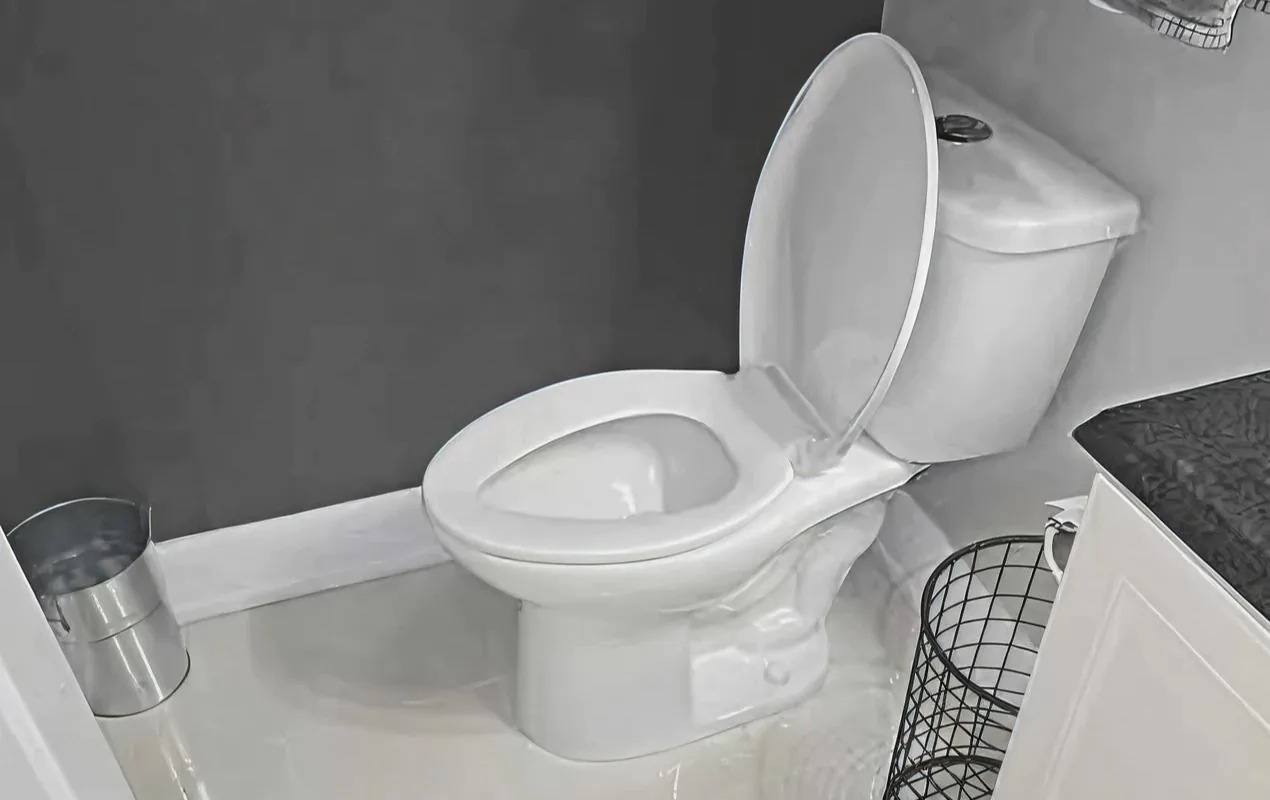
A properly functioning drain system is essential to the safety, hygiene, and comfort of any property. While plumbing fixtures such as sinks, toilets, and showers are the most visible elements of a water system, it is the hidden drain network behind walls and beneath floors that carries wastewater safely away. Drain Repair is therefore not a cosmetic service or a minor fix, but a structural correction that restores balance to the plumbing system as a whole.
Drain pipes are subjected to constant stress. Every use of a toilet, shower, or sink introduces water, waste, temperature changes, and pressure fluctuations. Over time, even well-installed drain systems can deteriorate due to age, material fatigue, ground movement, corrosion, or improper slope. A slow-draining sink, recurring odors, or intermittent gurgling sounds may not seem serious at first, yet they often indicate developing pipe damage that will worsen if ignored.
Drain damage is rarely isolated. A compromised drain line affects connected fixtures throughout the building. What begins as a localized issue may eventually trigger bathroom sink backing up, water pooling in showers, or repeated toilet repair calls that fail to resolve the underlying cause. Professional drain repair addresses the root problem rather than masking symptoms, ensuring long-term system reliability instead of temporary relief.
Drain systems operate on gravity, airflow, and precise alignment. Wastewater must flow downward at the correct slope while air moves freely through venting to maintain pressure balance. When any section of this system becomes restricted or damaged, flow slows and pressure changes. These pressure changes are often responsible for backups, trap siphoning, and sewer odors entering living spaces.
A drain system does not operate independently of other plumbing services. It works in continuous coordination with supply-side components and fixtures. Systems supporting shower installation, bathtub installation, and kitchen faucet installation all rely on intact drain lines to function correctly. When drains fail, even properly installed fixtures lose efficiency and reliability.
Drain repair is also closely tied to foundational protection. In lower-level plumbing systems, drain failures may contribute to moisture intrusion that affects structural materials. When wastewater cannot exit efficiently, it seeks alternative paths, often seeping into surrounding soil, walls, or flooring. Over time, this moisture leads to deterioration that extends beyond plumbing and into structural damage.
Drain damage develops from a combination of mechanical, environmental, and usage-related factors. Older properties often contain drain pipes made from materials that were once standard but are now prone to corrosion or cracking. As these pipes age, their interior surfaces roughen, allowing waste and debris to cling more easily, increasing the likelihood of blockage and eventual pipe failure.
Another frequent cause is improper installation. Drains that were not installed with the correct slope or support experience uneven stress during use. Over time, this stress leads to sagging, joint separation, or cracking. These issues often surface during services such as shower drain repair or drain snaking, when technicians discover that repeated clogs are symptoms of structural misalignment rather than simple buildup.
Ground movement is another significant factor. Soil settlement, freeze-thaw cycles, and nearby construction can shift pipes underground. Even small movements can create misalignment, disrupting flow and allowing waste to accumulate. These conditions frequently lead to recurring problems that cannot be resolved without proper drain repair.
Root intrusion also plays a role, particularly in exterior drain lines. Because roots are drawn to water, they may force their way into drain pipes through minor openings such as hairline cracks or weak joints. After entering the pipe, the roots continue to grow, catching waste and buildup, which can eventually result in major clogs or structural damage. In such cases, basic drain cleaning is insufficient, and structural drain repair becomes necessary to restore system integrity.
Drain problems rarely occur without. When sinks, tubs, or showers drain sluggishly despite repeated cleaning, it often points to more serious damage deeper in the drain line. Recurring clogs that return shortly after clearing are another red flag, signaling that the pipe interior may be compromised.
Unpleasant odors are another common symptom. Cracks or separations in drain pipes allow sewer gases to escape before reaching the main line. These odors are often mistaken for fixture-related issues, leading to unnecessary faucet repair attempts that fail to address the real problem.
Water stains on walls or ceilings, especially beneath bathrooms or kitchens, may indicate leaking drain lines hidden within structural cavities. Left unresolved, these leaks cause mold growth and material deterioration, significantly increasing repair costs.
In severe cases, drain damage can cause wastewater to back up into fixtures. Events such as kitchen sink backing up or overflow during toilet use are strong indicators that the drain system is no longer functioning correctly and requires professional intervention.
Many property owners attempt to manage drain problems using surface-level solutions. Chemical cleaners, plungers, and repeated snaking may temporarily restore flow, but they do not repair damaged pipes. In fact, these approaches often worsen the situation by weakening the pipes or pushing debris deeper into compromised sections.
Temporary fixes may appear successful in the short term, but they allow underlying damage to progress unnoticed. Over time, minor cracks expand, misalignments worsen, and small leaks become structural failures. This cycle leads to repeated service calls and escalating costs that far exceed the investment required for proper drain repair.
Professional drain repair breaks this cycle by correcting structural issues at their source. Rather than forcing flow through damaged pipes, repair restores proper alignment, integrity, and capacity, ensuring that drainage functions as intended.
Accurate diagnosis is the foundation of effective drain repair. Professional assessment often includes advanced inspection techniques that reveal conditions hidden from view. Identifying whether a drain issue is caused by buildup, material failure, or external pressure determines the appropriate repair strategy.
In many cases, drain repair is coordinated with other services to restore full system performance. Issues affecting drains may also involve sewer repair or require targeted leak detection to locate concealed failures. Addressing these interconnected issues simultaneously prevents repeat problems and ensures comprehensive resolution.
Professional assessment also considers future demands on the system. Changes in occupancy, fixture upgrades, or additional plumbing installations place new stress on existing drains. Repair strategies account for these factors, ensuring the system remains reliable under current and anticipated usage conditions.
Drain repair is not simply a corrective measure; it is an investment in the longevity of a property’s plumbing infrastructure. Properly repaired drain lines reduce maintenance needs, protect building materials, and support the performance of all connected fixtures.
A stable drain system enhances the effectiveness of related services such as sewer line cleaning and preventive maintenance, extending the lifespan of pipes and reducing emergency situations. Over time, this proactive approach saves property owners significant expense while improving daily comfort and reliability.
Most importantly, professional drain repair restores confidence. Knowing that wastewater is being carried safely away allows homeowners and businesses to use their plumbing systems without fear of unexpected failures or damage.
Once the underlying cause of drain failure has been accurately identified, professional drain repair moves beyond diagnosis into targeted correction. This stage is where experience, precision, and system-wide understanding become critical. Unlike surface-level interventions that focus on restoring temporary flow, true drain repair rebuilds stability within the piping network and ensures that wastewater travels safely and efficiently through the system for years to come.
Drain systems operate as continuous pathways, and any repair must consider how one section affects the rest. A repaired segment must integrate seamlessly with the surrounding pipe material, slope, and venting. If this integration is overlooked, even a structurally sound repair can introduce new pressure points or flow restrictions that create future problems elsewhere in the system.
Advancements in plumbing technology have significantly improved the repair of drain damage. Professional drain repair no longer relies solely on extensive demolition. Instead, modern techniques enable targeted interventions that minimize disruption while maximizing durability.
One of the most effective approaches involves repairing only the compromised section of pipe rather than replacing entire lines unnecessarily. This method preserves sound infrastructure while eliminating the source of failure. Repairs are designed to restore internal pipe diameter, correct slope inconsistencies, and reinforce weak points without altering the overall system balance.
In situations where drain damage affects wastewater flow near fixtures, precision is essential. Repairs must support proper operation for connected systems, such as shower drain repair, and prevent conditions that lead to sewer backup in shower events. Achieving this balance requires careful calibration and testing after the repair is complete.
Drain systems eventually connect to larger sewer lines, making coordination between drain repair and sewer performance essential. Damage within a drain line can place additional strain on sewer connections, increasing the risk of blockages or overflow further downstream.
Professional drain repair often works in conjunction with sewer repair when damage extends beyond interior plumbing. This integrated approach ensures that wastewater exits the property without restriction, reducing pressure buildup and protecting both private and municipal infrastructure.
When drains are repaired without considering sewer conditions, problems may reappear in different locations. Proper coordination eliminates this risk and creates a unified system that handles waste efficiently under all conditions.
Early Signs
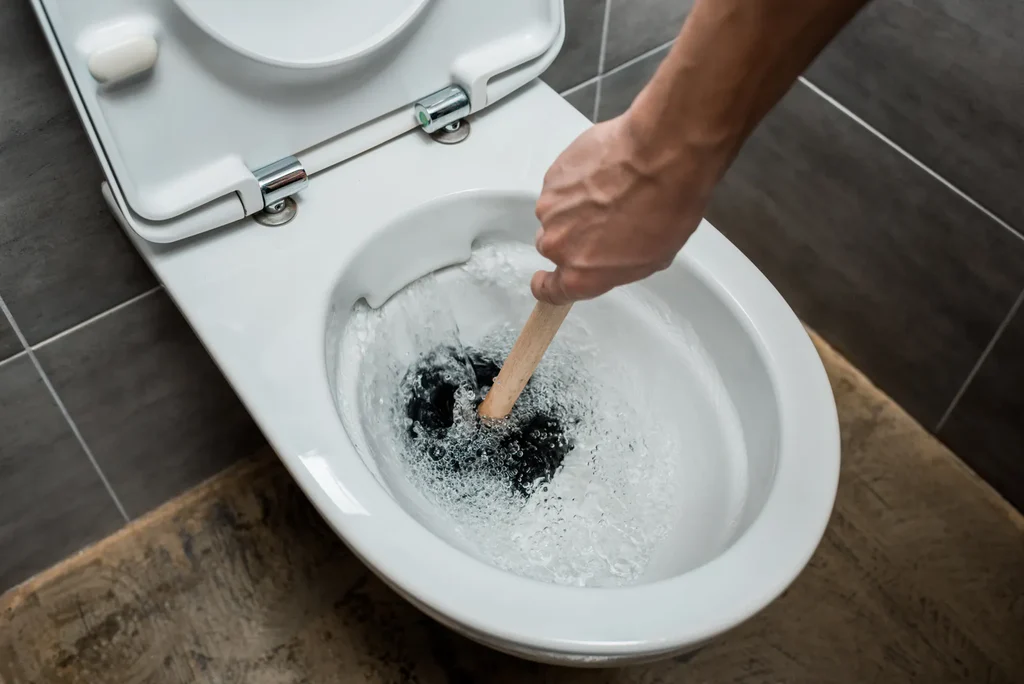
Areas of a property that experience frequent water
use place greater demand on the drainage system. Bathrooms and kitchens, in particular, are prone to accelerated wear due to constant exposure to water, waste, and temperature changes. Drain repair in these zones must account for higher stress levels and ongoing use.
In bathrooms, damaged drains often cause recurring fixture issues. Conditions such as bathroom sink backing up or inconsistent drainage during bathing may appear unrelated, but frequently share a common drain failure point. Repairing the drain restores proper flow and reduces stress on fixtures that would otherwise require repeated servicing.
Kitchen drain damage is similarly disruptive. Food waste, grease, and detergents place a unique strain on piping. When drains are compromised, symptoms such as slow drainage or persistent odors may emerge, often prompting unnecessary kitchen faucet repair when the actual issue lies deeper in the system.
Maple Leaf Plumber repairs a wide range of drain problems, including cracked pipes, leaking joints, corrosion, and collapsed drain lines. Our experienced plumbers accurately diagnose the issue and perform effective repairs to prevent further damage and recurring problems.

 01
01 
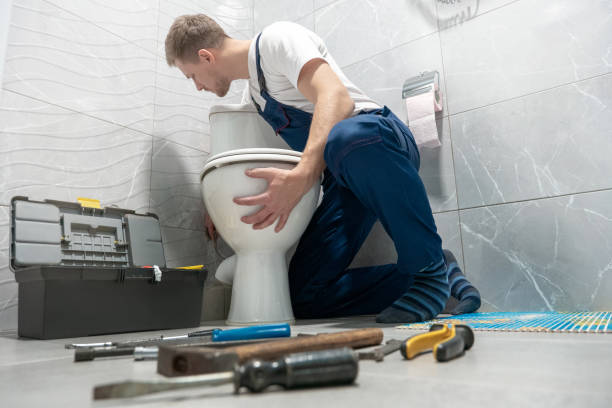
We locate the blockage in:
 02
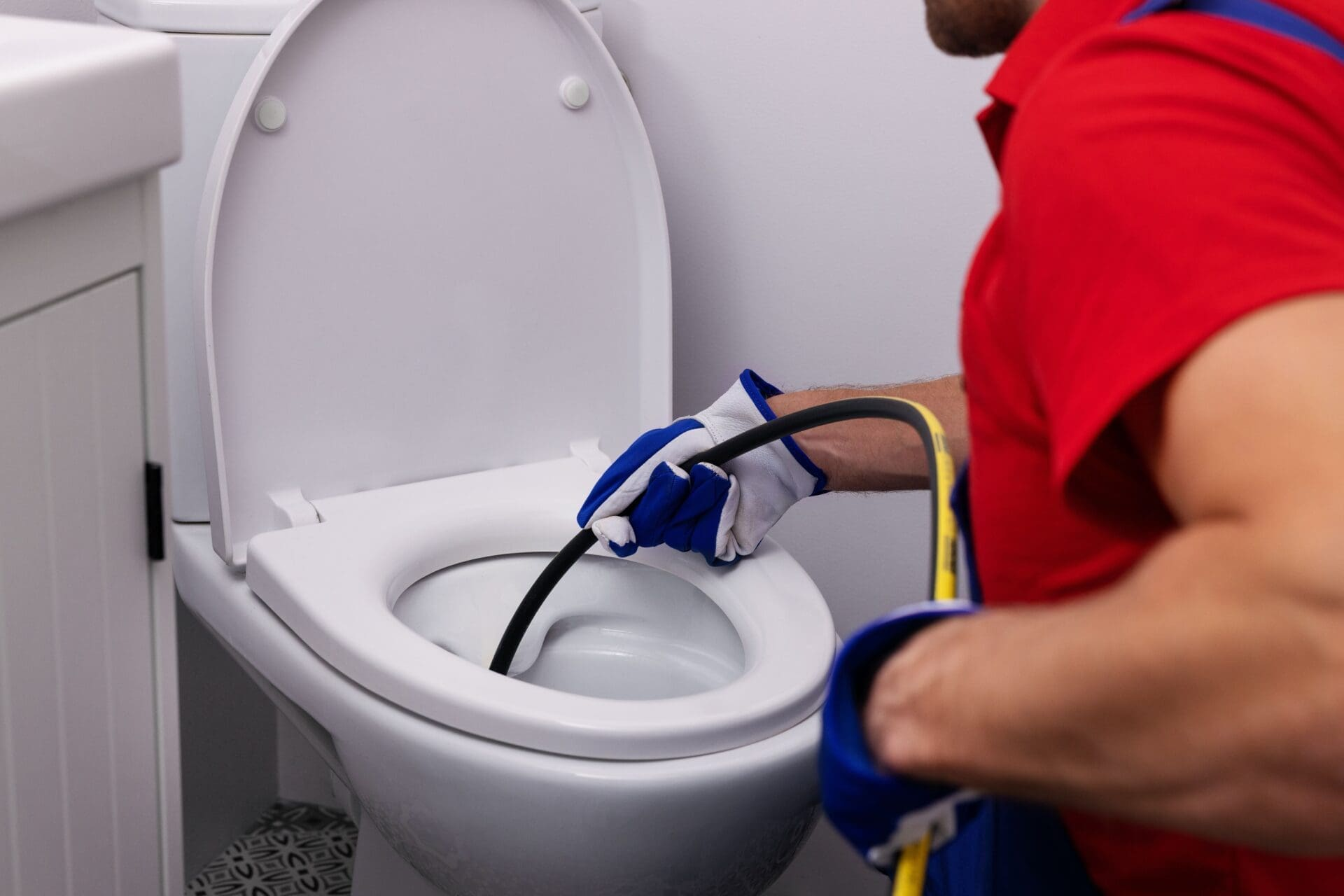
02 We clear the blockage:
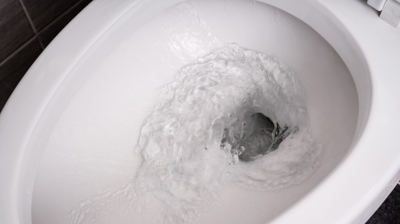 03
03 We confirm:
One of the most valuable aspects of professional drain repair is its ability to prevent recurrence. Many recurring drain
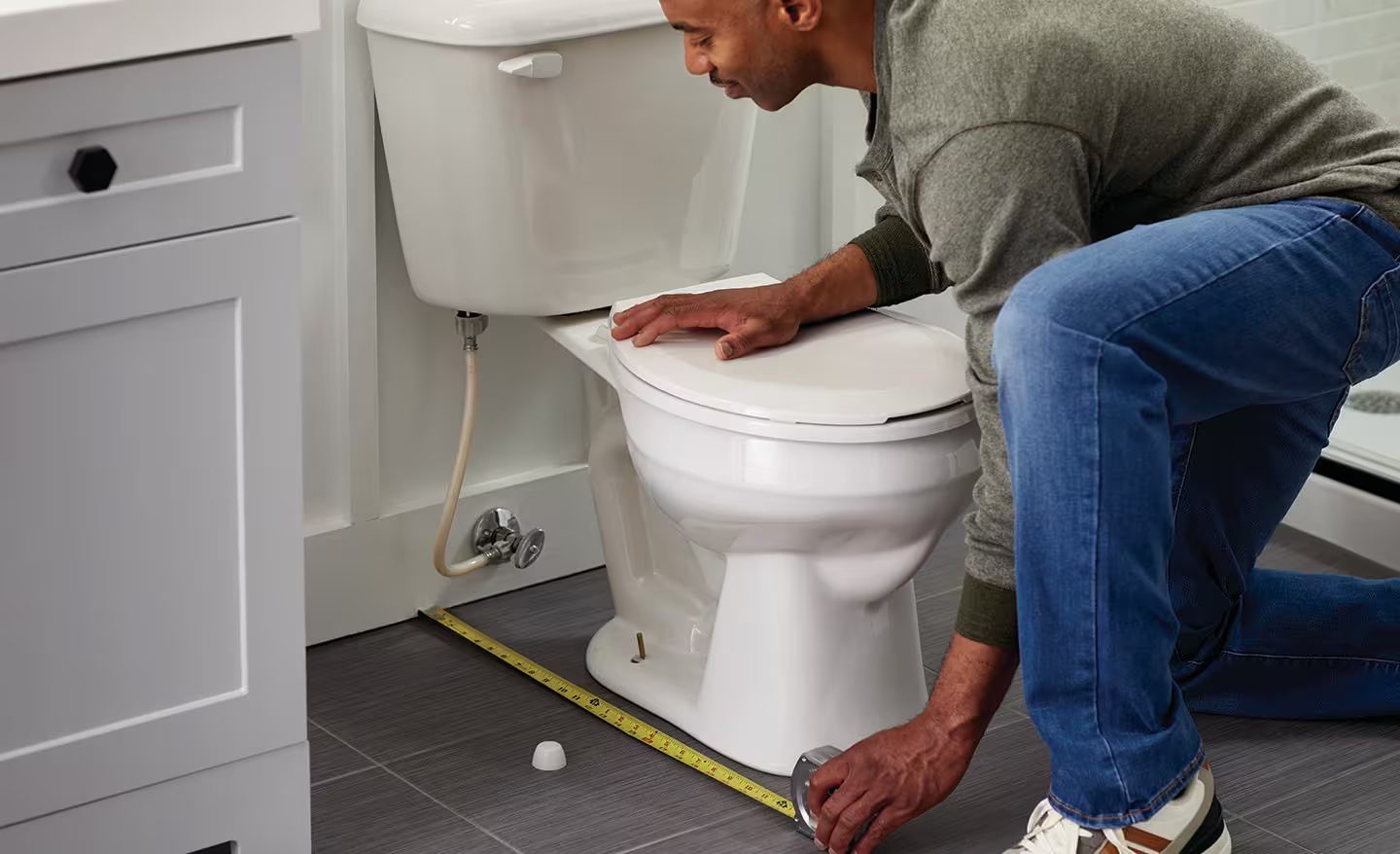
issues stem from incomplete repairs that fail to address structural weaknesses. Professional repair focuses on restoring full pipe integrity rather than merely reopening flow. After repair, the system is tested under real-world conditions. Water volume, pressure balance, and venting efficiency are evaluated to confirm stability. This testing phase is crucial for ensuring that repaired drains support consistent operation across all connected fixtures. In properties with complex plumbing layouts, drain repair may also involve minor adjustments to adjacent components. This ensures that repaired sections do not become stress points under normal use, reducing the likelihood of future failures.
Hidden leaks are among the most costly plumbing issues, often causing damage long before they are discovered. Cracked or
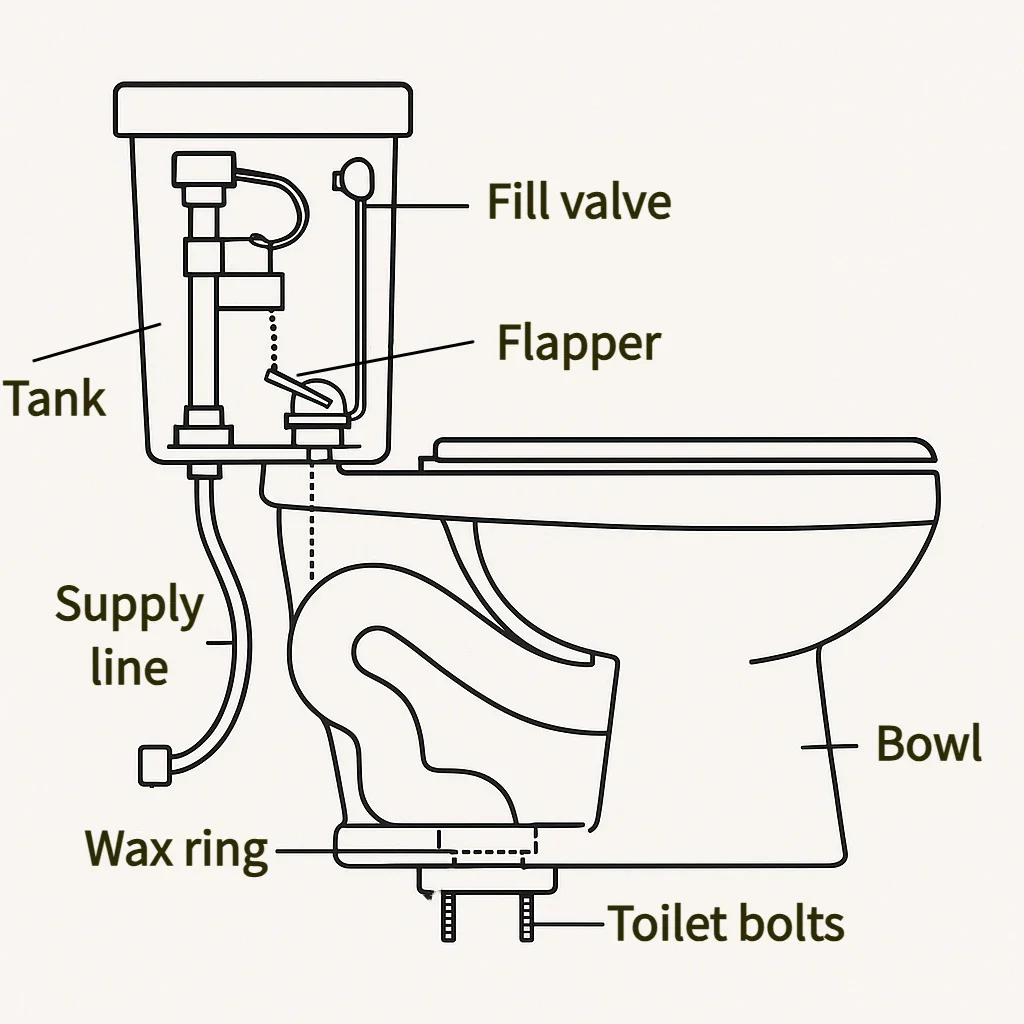
separated drain pipes allow wastewater to escape into walls, floors, or soil, leading to structural deterioration and health concerns. Professional drain repair eliminates these hidden leak paths by sealing or replacing damaged sections and reinforcing vulnerable joints. This work complements broader services such as leak detection, ensuring that all sources of moisture intrusion are identified and resolved. By restoring drain integrity, repair helps maintain dry structural cavities and prevents mold growth that thrives in damp environments.
A healthy drain system directly affects the lifespan of plumbing fixtures. When drains function properly, fixtures operate
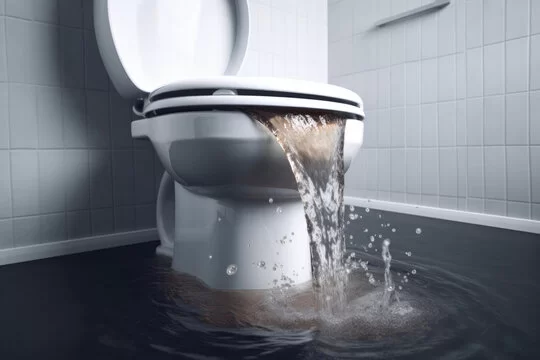
under normal pressure conditions and experience less mechanical stress. Conversely, restricted or damaged drains create backpressure, accelerating wear on seals, valves, and fittings. Repairing drains reduces the likelihood of repeated fixture servicing and supports reliable performance for installations such as toilets, sinks, and showers. This is particularly important in systems that have recently undergone toilet installation or fixture upgrades, where protecting new components is a priority. Drain repair also helps stabilize pressure conditions that affect mixing valves and connections, reducing the need for frequent valve replacement due to strain-related failures.
Older buildings present unique challenges when it comes to drain repair. Pipe materials used in previous decades may no longer meet modern standards, and previous repairs may have introduced inconsistencies in slope or alignment. Rather than replacing entire systems unnecessarily,
Effective drain repair helps protect the environment by preventing wastewater from leaking into the surrounding soil and groundwater. This containment is essential for maintaining sanitation and protecting ecosystems near residential and commercial properties. Structurally, repaired drains reduce moisture exposure that
can weaken foundations and framing. By directing wastewater safely away, drain repair supports long-term building stability and reduces the risk of costly structural remediation.
Our team covers cities across Ontario and nearby communities: