
Areas Our Plumbers Serve
Our team covers cities across Ontario and nearby communities:



 Call us and we’ll come to you (888) 998-2195


Achievements of Maple Leaf Plumber




Hundreds of verified reviews

Very quick frozen pipe repair and super respectful technician.
Very knowledgeable technician and no unnecessary upselling. Well pump repair was done properly the first time.
Needed a new drain line installed during renovations at our Elder Mills property and Maple Leaf Plumbers coordinated everything smoothly with the contractors already working there.
Good communication, honest pricing, and no more sewer smell.
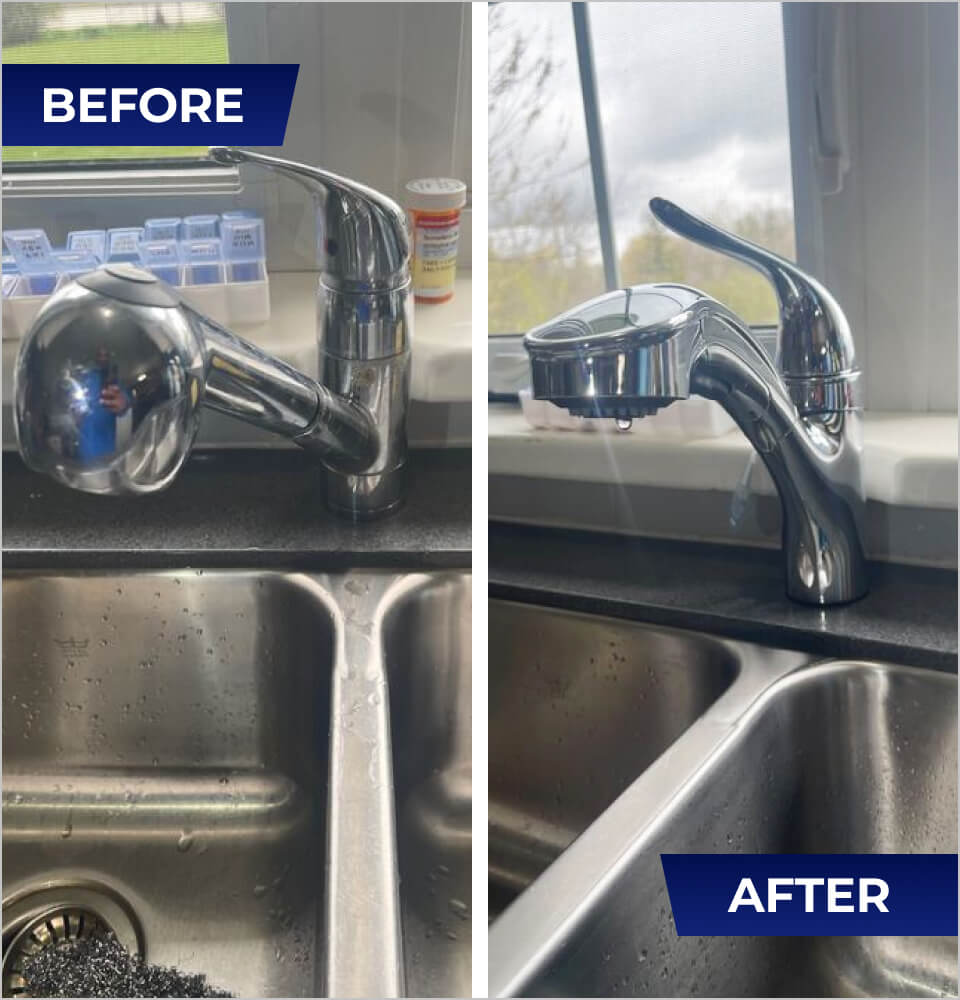
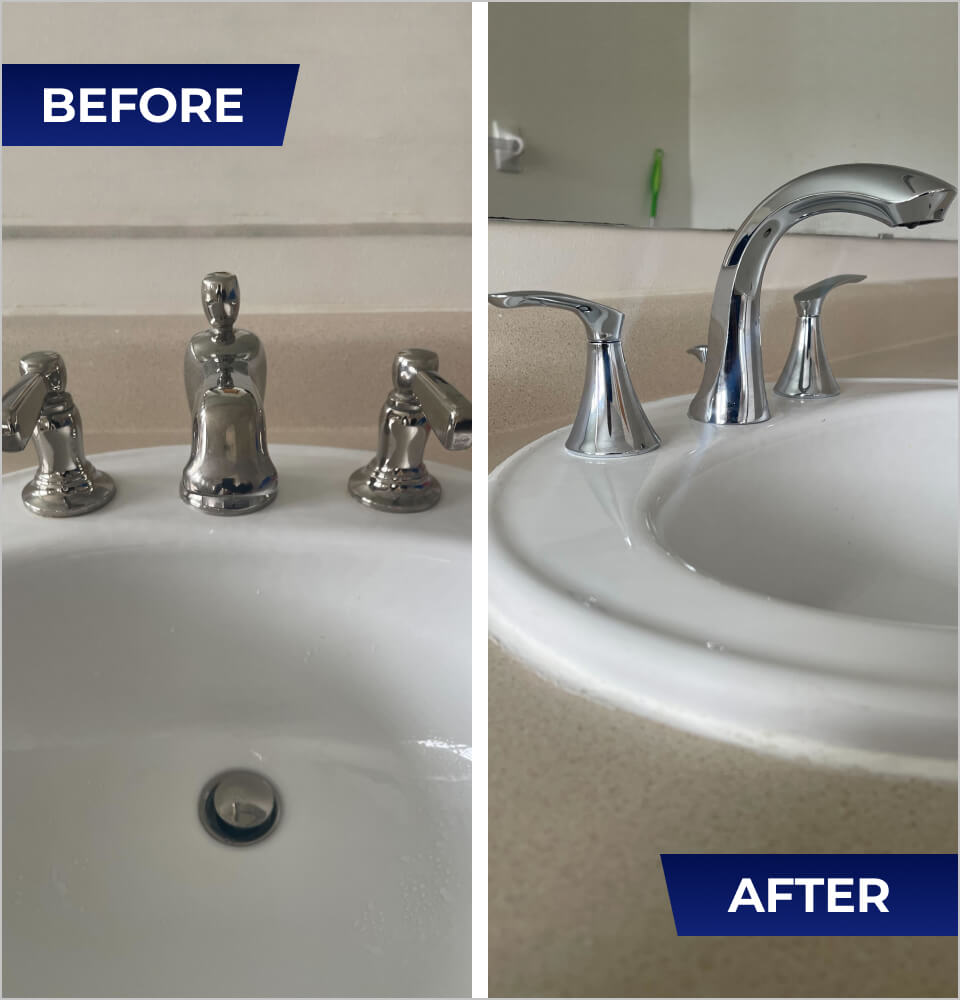
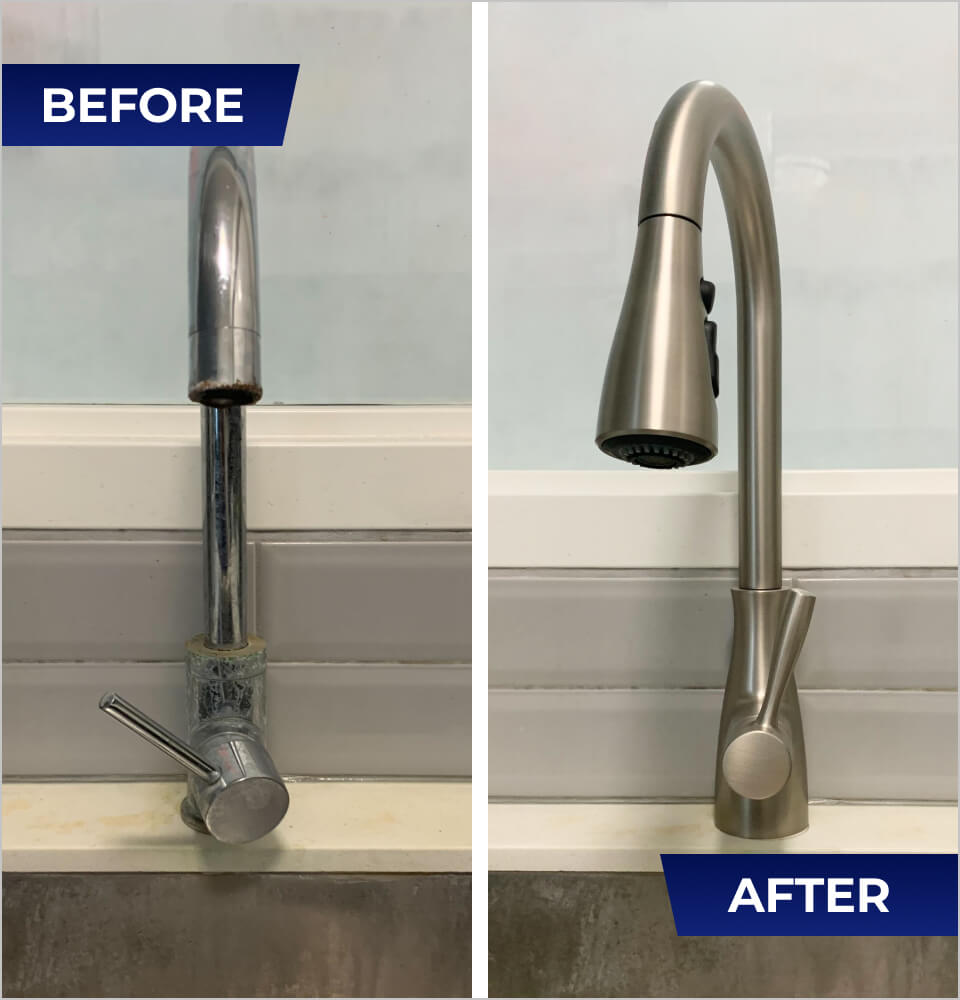
Bought a fancy kitchen faucet online and realized halfway through trying to install it that I was way over my head. The technician came to our place and had it installed perfectly.
Our office in Concord started getting a sewer smell near the washrooms and employees were complaining nonstop. Maple Leaf Plumbers cleaned the line out properly and explained exactly what caused the issue.
Reliable emergency service and the technician stayed until everything was fully checked.
We’d been dealing with slow drains for over a year at our home and nothing lasted longer than a few weeks. Hydro jetting finally solved the problem properly.
Really smooth shower repair service. Everything’s working perfectly again. The technician was fast, reliable and easy to deal with.
Our kitchen sink kept backing up every Sunday like clockwork and it was getting ridiculous. Maple Leaf Plumbers finally figured out there was a buildup deeper in the line that previous companies completely missed. Haven’t had an issue since.
We noticed part of the hardwood floor near the kitchen in our Kleinburg house starting to warp slightly. Maple Leaf Plumbers found a hidden leak before it caused major damage.
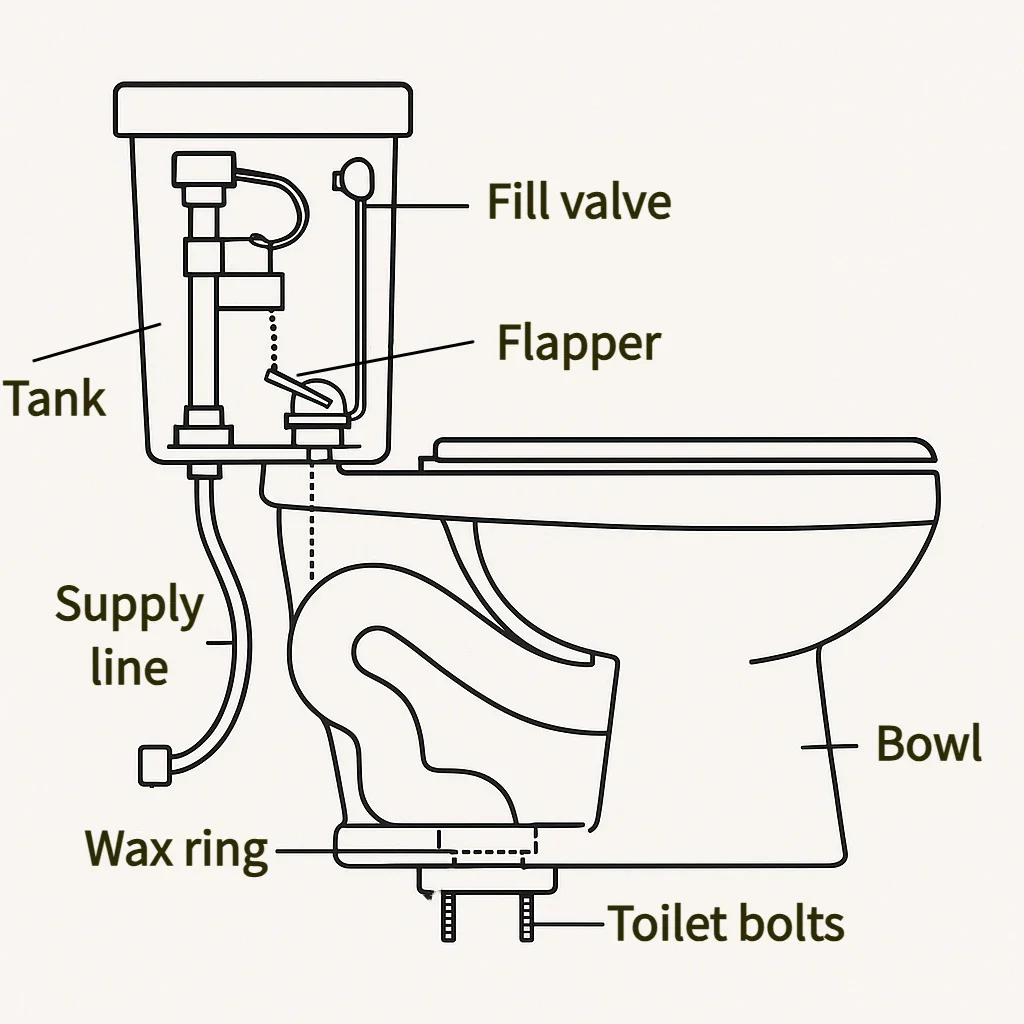
Feb 22, 2024The toilet in our basement bathroom near Maple GO station wouldn’t stop running and the noise was driving everyone insane at night. The technician fixed it way quicker than expected.
Feb 22, 2024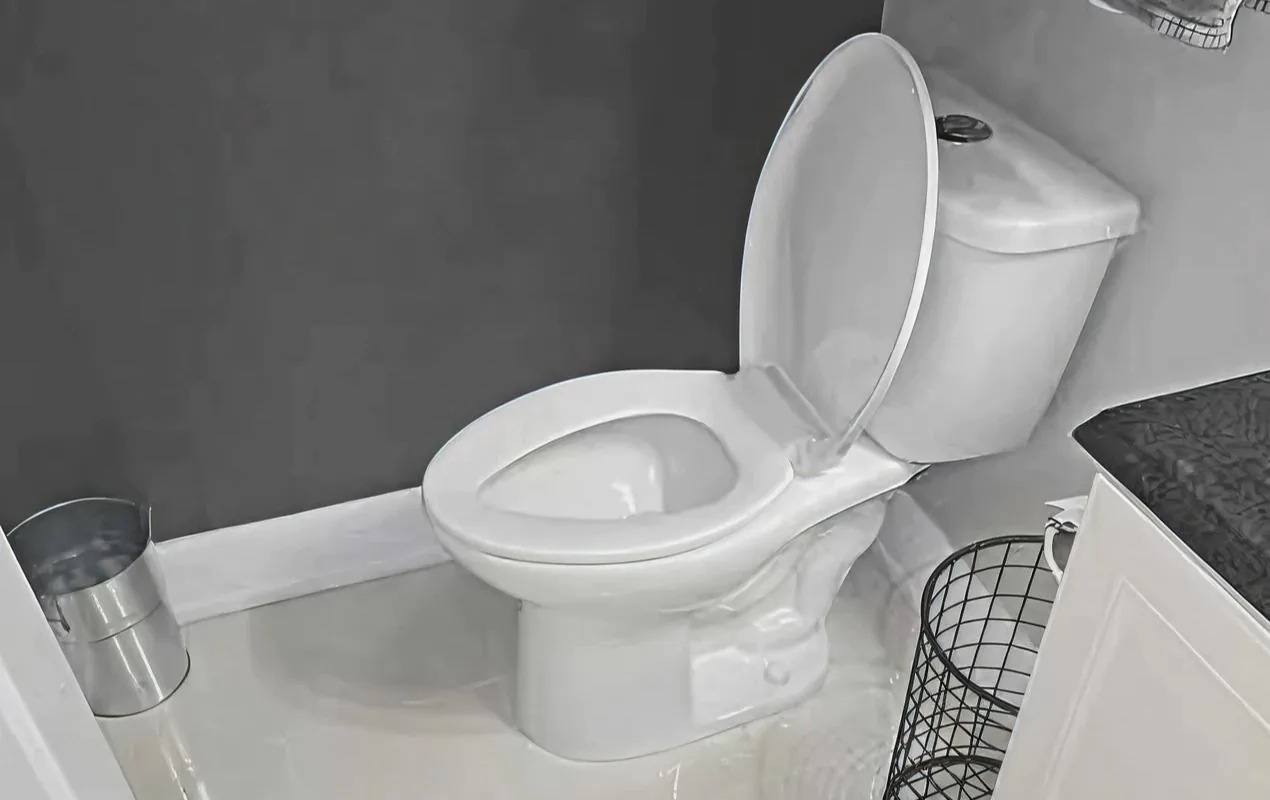
Drain line installation is one of the most critical phases in any plumbing system, yet it is often overlooked because it operates out of sight. Every fixture in a property depends on drain lines to carry wastewater away efficiently and safely. When drain lines are installed correctly, water flows smoothly, odors are controlled, and fixtures function without interruption. When drain line installation is rushed or poorly planned, problems such as bathroom sink backups, kitchen sink backups, and recurring drainage failures become unavoidable.
Unlike surface plumbing components, drain lines must function continuously under gravity, pressure changes, and long-term exposure to waste, moisture, and temperature variation. Professional drain line installation focuses on alignment, slope accuracy, material compatibility, and integration with the entire plumbing network to ensure wastewater flows away from the structure without resistance or risk.
Drain lines form the hidden framework that connects all fixtures to the main sewer or septic system. Improper drain line installation disrupts this balance, causing symptoms that often appear far from the original fault location.
Issues such as clogged toilets or recurring drain repair calls are often traced back to incorrect pipe slope, undersized drain lines, or poor joint connections installed earlier. A properly designed drain line system ensures that wastewater from shower drain repair, shower drain replacement, and bathtub installation flows efficiently without pressure buildup or backflow.
Drain lines also play a vital role in venting balance, preventing suction that can empty traps and allow sewer gases into living spaces. Installation accuracy determines whether the system remains sealed and odor-free over time.
Every drain line installation begins with a detailed assessment of the property’s structure and usage patterns. Properties with multiple bathrooms, laundry areas, or high-use kitchens require drain lines designed to handle simultaneous discharge without restriction.
Ignoring these variables leads to undersized systems that struggle under normal use, often presenting as slow drains or repeated backups. Correct planning prevents future reliance on emergency services such as drain snaking or hydro jetting by ensuring the system is capable from the start.
Drain line routes must also account for structural elements such as beams, slabs, and foundation walls. Poor routing increases installation stress and the risk of long-term failure.
Selecting appropriate materials is fundamental to the long-term performance of drain lines. Older properties contain cast-iron or clay piping, which can pose additional challenges during integration.
Improper material transitions can cause joint separation, leaks, or internal turbulence that accelerates buildup. Professional drain line installation ensures compatible connections and smooth transitions, maintaining flow consistency and reducing wear.
Material choice also affects noise control, durability, and resistance to chemical exposure, especially in properties where cleaning agents and detergents are frequently discharged.
Drain lines rely on gravity rather than pressure. Even slight slope deviations can dramatically affect performance. Excessive slope causes water to outrun solids, leaving debris behind.
Correct drain line installation maintains a precise slope throughout the entire run, supporting consistent wastewater flow. This accuracy reduces the likelihood of future sewer repair or repeated interior drain issues that disrupt daily use.
Alignment also matters. Misaligned joints create turbulence points where debris collects, eventually leading to obstruction and structural stress.
Drain line installation must be coordinated with all interior fixtures to ensure proper connection heights and trap placement. Fixtures such as sinks, showers, and tubs rely on correct drain elevation to maintain trap seals.
Improper integration can cause siphoning, slow drainage, or odor leakage, often mistaken for fixture failure. Correct drain line installation supports the reliable operation of systems that may otherwise require repeated shower drain repair or bathroom faucet repair due to drainage imbalance.
A unified design approach ensures that all fixtures discharge efficiently without interfering with one another.
Many drainage problems originate not from misuse but from flawed design. Sharp directional changes, unnecessary fittings, or long horizontal runs increase resistance and encourage buildup.
Professional drain line installation minimizes these risk factors by using smooth directional transitions and appropriate pipe diameters. This reduces dependence on reactive services such as drain and sewer cleaning and improves overall system longevity.
Thoughtful design also simplifies future maintenance, allowing access points where needed without invasive work.
Drain lines ultimately connect to the sewer or septic system. Improper alignment at this junction creates a bottleneck that affects the entire property. Drain line installation must ensure a seamless connection that maintains flow continuity and prevents backpressure.
When sewer connections are compromised, interior symptoms escalate quickly, often appearing as multi-fixture backups. Correct installation reduces the likelihood of requiring sewer line cleaning or extensive excavation later.
A secure sewer connection also protects against infiltration and soil contamination.
Verification during installation is essential to ensure accuracy before walls or floors are closed. Visual and mechanical checks confirm slope, alignment, and joint integrity.
In some cases, sewer camera inspections are used to verify installation quality, especially on longer or more complex runs. Early detection of errors prevents costly corrections after finishing work is complete.
Inspection safeguards system performance and reinforces accountability for installation.
While drain lines handle wastewater, their condition directly influences water supply performance. Poor drainage creates pressure fluctuations that affect fixtures and valves.
Stable drain line installation supports consistent supply operation, reducing the need for valve replacement or leak detection due to pressure imbalance.
Balanced systems operate more quietly, efficiently, and reliably over time.
Early Signs
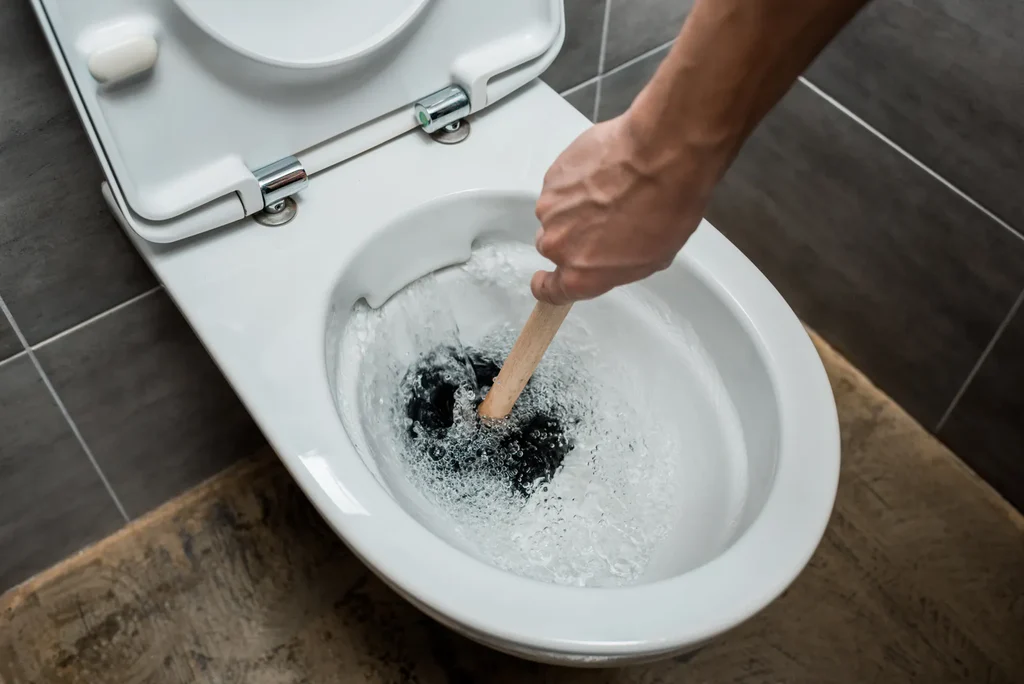
Leaking or poorly sealed drain lines allow moisture
to migrate into building materials. As moisture persists, it can deteriorate structural components, promote mold growth, and degrade indoor air quality. Proper drain line installation by professionals helps eliminate concealed leaks and preserves the home’s overall structural stability. Proper sealing and support reduce movement and vibration that cause joint failure. This protective role extends beyond plumbing, safeguarding the entire building envelope.
Incorrectly installed drain lines can lead to slow drainage, recurring clogs, and water damage. Maple Leaf Plumber focuses on precision and quality during installation, helping protect your property from plumbing issues and expensive repairs.

 01
01
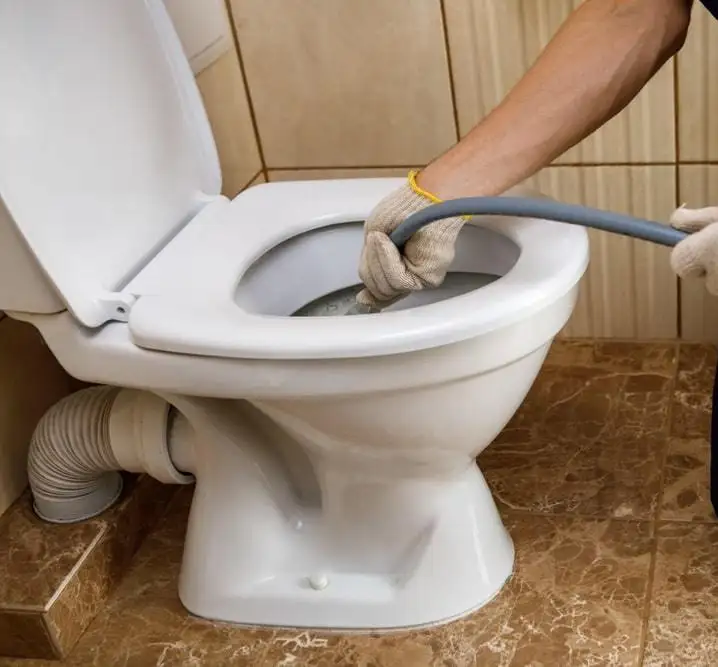
We examine:
 02
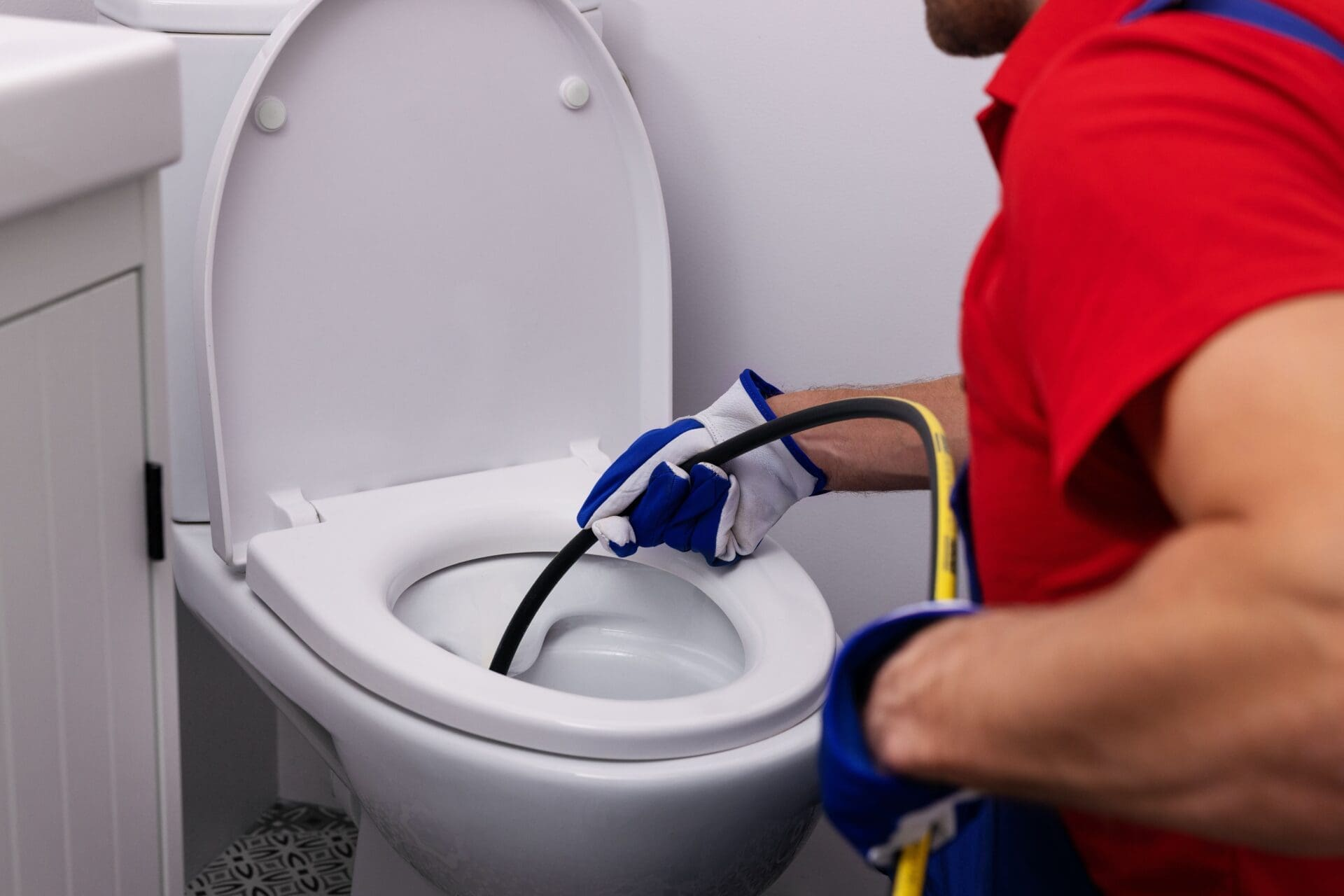
02 We assess:
 03
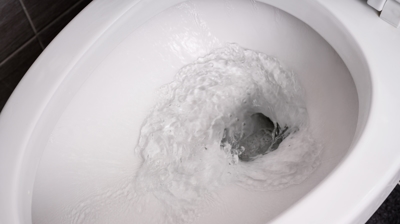
03 We repair or replace:
 04
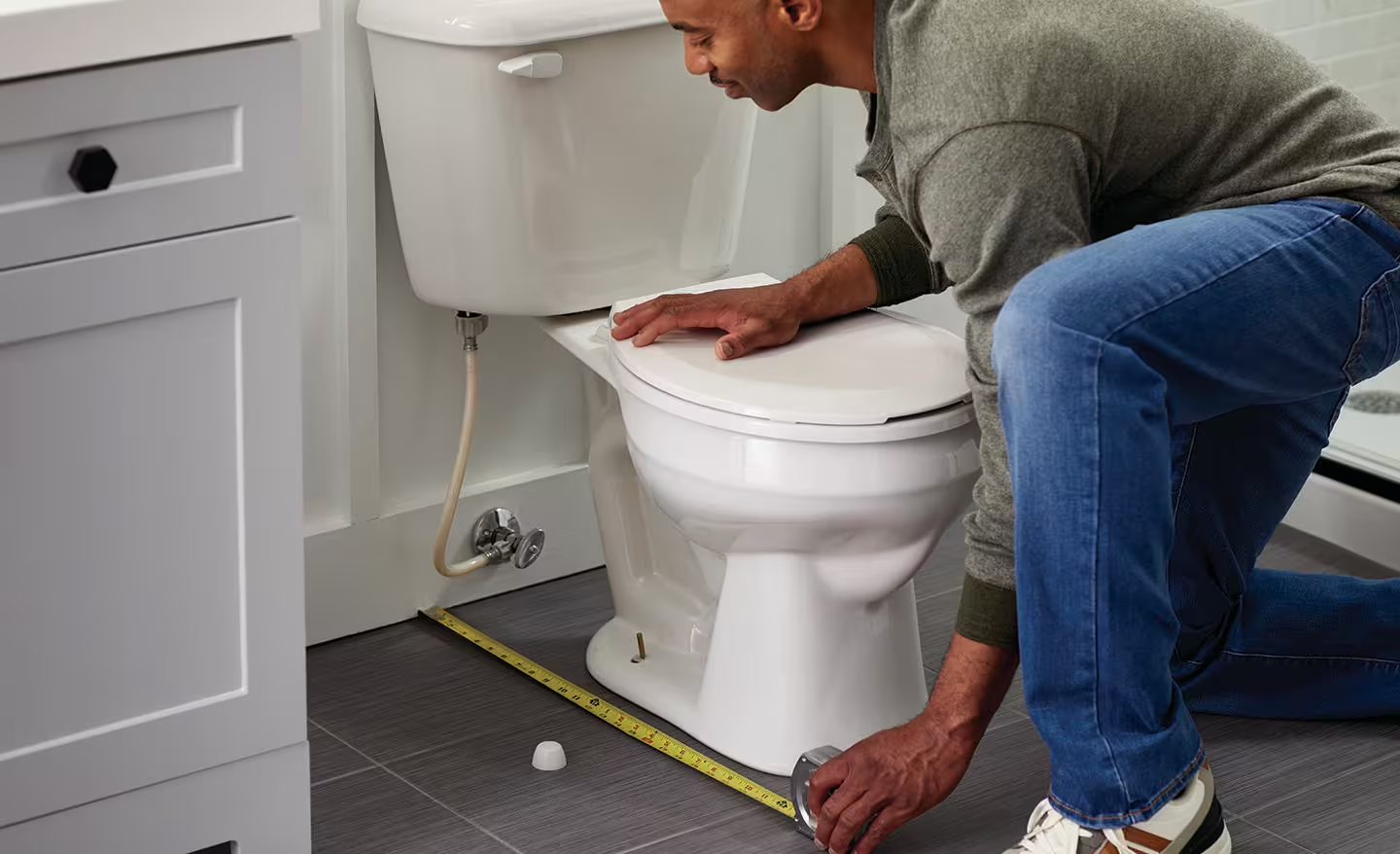
04 We confirm:
Leaking or poorly sealed drain lines allow moisture to migrate into building materials. As moisture persists, it can deteriorate
structural components, promote mold growth, and degrade indoor air quality. Proper drain line installation by professionals helps eliminate concealed leaks and preserves the home’s overall structural stability. Proper sealing and support reduce movement and vibration that cause joint failure. This protective role extends beyond plumbing, safeguarding the entire building envelope.
Drain line installation is not merely a construction task; it is an investment in long-term system stability. When performed
correctly, it reduces emergency service calls, protects interior finishes, and ensures that daily plumbing use remains trouble-free. By focusing on planning, material compatibility, precise slope, and system integration, drain line installation creates a dependable foundation that supports every connected fixture and appliance.
Once the physical installation of drain lines is complete, long-term performance becomes the defining measure of success. Drain line installation is not judged by how well the system works on day one, but by how reliably it performs over decades of use. A properly installed drain line must withstand constant exposure to wastewater, temperature changes, chemical cleaners, and structural movement while continuing to move waste away from the building without interruption. When this long-term perspective is ignored, properties often experience recurring issues that eventually require invasive drain or sewer repairs.
Drain lines that are designed with durability in mind reduce stress on the entire plumbing system. Fixtures remain functional, odors are controlled, and maintenance requirements are minimized. This reliability is especially important in areas where multiple systems intersect, such as bathrooms, kitchens, and lower-level drainage components.
One of the most common reasons homeowners experience repeated drainage issues is that the original drain line installation failed to account for real-world usage. Hair, soap residue, grease, and food waste do not move through pipes the same way clean water does. Over time, these materials interact with pipe surfaces, joints, and directional changes.
Correct drain line installation minimizes these interaction points by maintaining smooth interiors and consistent flow paths. This reduces the need for reactive services such as drain snaking or hydro jetting, which are often used to compensate for design flaws rather than isolated obstructions. When drain lines are installed correctly, routine maintenance becomes preventative rather than emergency-driven.
Bathrooms are among the most demanding environments for drain systems due to frequent use and the variety of fixtures connected to a single branch. Improper drain line installation often manifests as symptoms such as a bathroom sink backing up, slow-draining tubs, or recurring shower blockages.
Drain lines serving bathrooms must accommodate simultaneous discharge from sinks, showers, tubs, and toilets without creating negative pressure or flow restriction. Proper installation ensures that systems requiring shower drain repair or replacement are not repeatedly stressed by downstream limitations. Balanced drainage allows water to exit fixtures efficiently, preserving trap seals and preventing sewer gas intrusion.
Kitchen drain lines face unique challenges due to grease, oils, and food particles. Even with careful use, these substances gradually coat the pipe walls when flow velocity and slope are insufficient. Improper drain line installation in kitchens often leads to chronic issues that manifest as kitchen sink backups, even after repeated cleanings.
Professional drain line installation accounts for grease behavior by optimizing slope and minimizing stagnation zones. This approach reduces dependency on frequent drain and sewer cleaning and protects downstream piping from buildup that can migrate into larger sewer lines.
Drain lines ultimately rely on a clean, unrestricted connection to the main sewer or septic system. If this connection is poorly aligned or undersized, the entire internal drainage network suffers. Backpressure at the sewer interface often manifests as slow drains throughout the property or multiple fixtures backing up simultaneously.
Correct drain line installation ensures a smooth transition into the sewer system, reducing the likelihood of needing sewer line cleaning or premature replacement. This connection must also account for soil conditions and settlement, as shifting ground can compromise improperly supported pipes over time.
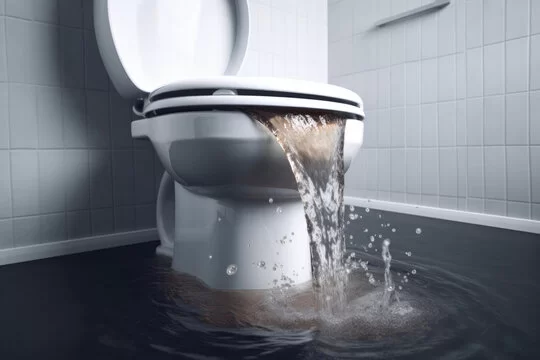
One of the most damaging consequences of poor drain line installation is hidden leakage. Small leaks inside walls or beneath slabs may go unnoticed for years, gradually weakening structural materials and promoting mold growth.
Professional installation emphasizes joint integrity and proper support to prevent movement-related failures. Leak prevention at this level reduces reliance on emergency leak detection services and protects framing, flooring, and insulation from long-term moisture exposure.
Buildings evolve over time. Renovations, fixture upgrades, and usage changes place new demands on existing drain systems.
Drain lines installed with adaptability in mind can accommodate these changes without requiring extensive modification. For example, properties that later add fixtures such as upgraded showers or additional sinks benefit from drain lines that were originally sized and routed to handle future capacity. This foresight reduces the risk of flow imbalance and minimizes future disruptions tied to sink installation or bathroom remodeling projects.
Drain line installation often intersects with systems that manage groundwater and surface runoff. In properties with basements or crawl spaces, internal drain lines must coexist with foundation drainage and sump systems. Proper installation supports coordinated operation with services such as sump pump installation, repair, and replacement by ensuring that wastewater and groundwater are managed independently yet efficiently. Poor coordination can lead to cross-system pressure and unexpected backups.
Venting is an essential component of drain line performance. Without proper venting, drains struggle to move water efficiently, traps lose their seals, and odors escape into living spaces. Drain line installation must align with vent placement to maintain pressure equilibrium
throughout the system. When venting is neglected or improperly connected, the system compensates by draining slowly and gurgling, often misdiagnosed as simple clogs. Balanced venting reduces strain on drain lines and improves overall system stability.
Our team covers cities across Ontario and nearby communities: