

Areas Our Plumbers Serve
Our team covers cities across Ontario and nearby communities:



 Call us and we’ll come to you (888) 998-2195


Achievements of Maple Leaf Plumber






Hundreds of verified reviews

Very quick frozen pipe repair and super respectful technician.
Very knowledgeable technician and no unnecessary upselling. Well pump repair was done properly the first time.
Needed a new drain line installed during renovations at our Elder Mills property and Maple Leaf Plumbers coordinated everything smoothly with the contractors already working there.
Good communication, honest pricing, and no more sewer smell.
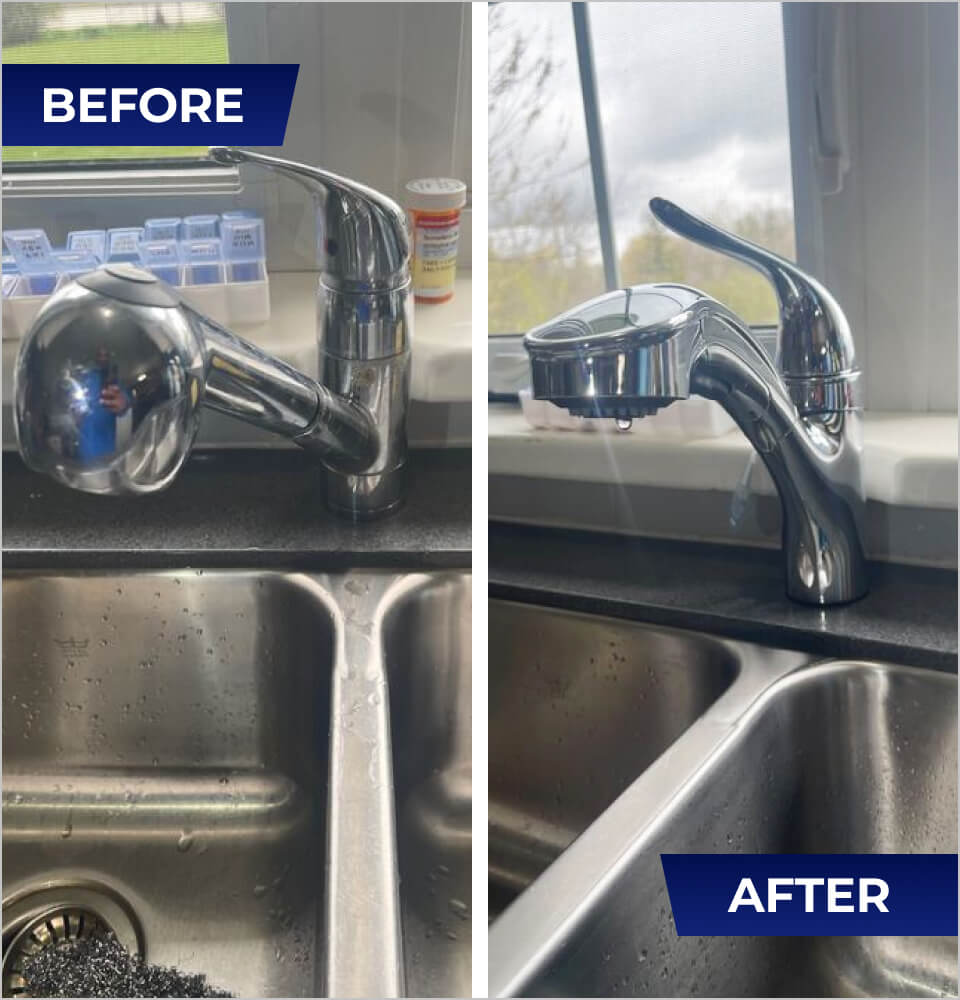
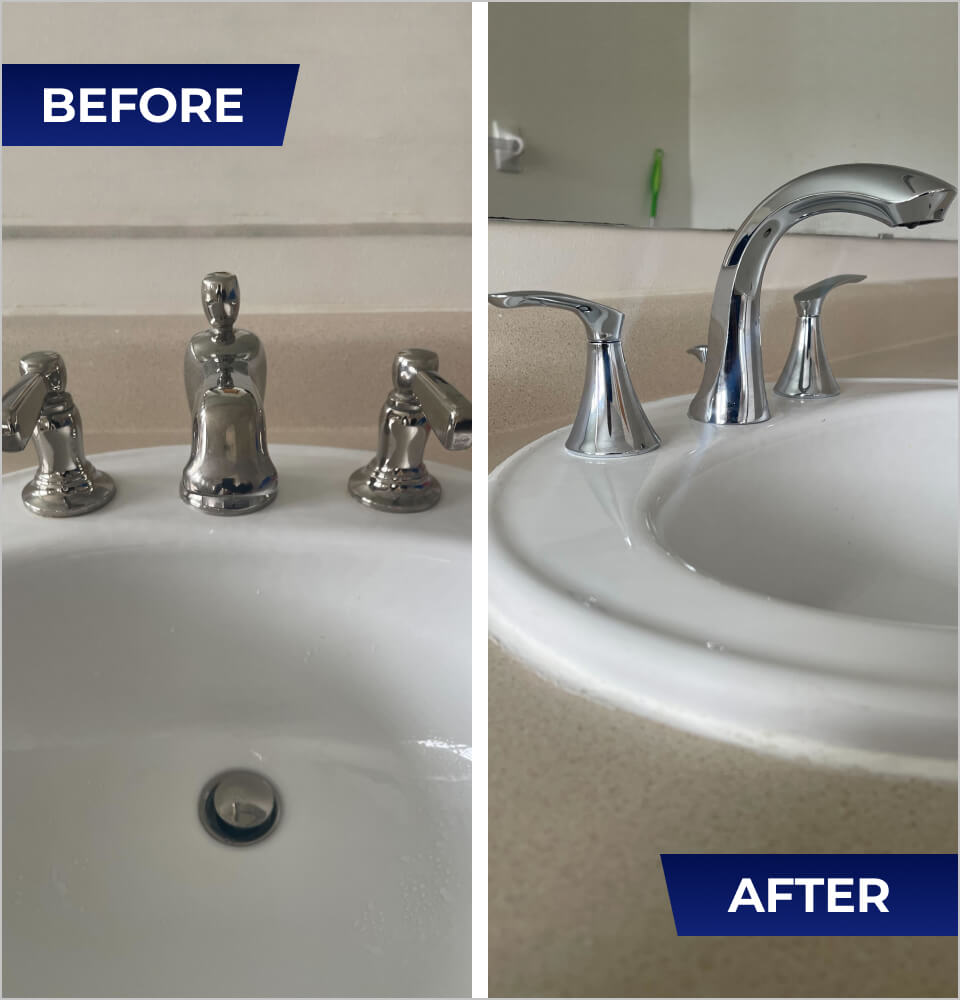
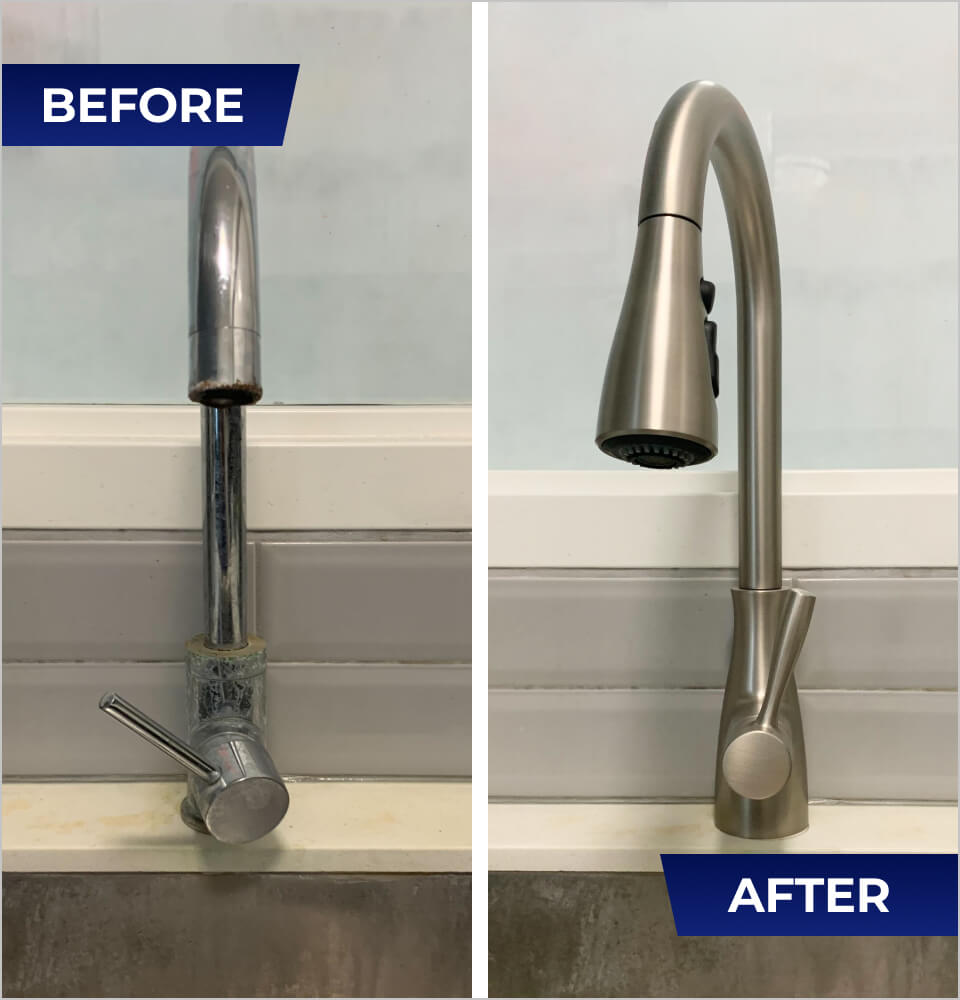
Bought a fancy kitchen faucet online and realized halfway through trying to install it that I was way over my head. The technician came to our place and had it installed perfectly.
Our office in Concord started getting a sewer smell near the washrooms and employees were complaining nonstop. Maple Leaf Plumbers cleaned the line out properly and explained exactly what caused the issue.
Reliable emergency service and the technician stayed until everything was fully checked.
We’d been dealing with slow drains for over a year at our home and nothing lasted longer than a few weeks. Hydro jetting finally solved the problem properly.
Really smooth shower repair service. Everything’s working perfectly again. The technician was fast, reliable and easy to deal with.
Our kitchen sink kept backing up every Sunday like clockwork and it was getting ridiculous. Maple Leaf Plumbers finally figured out there was a buildup deeper in the line that previous companies completely missed. Haven’t had an issue since.
We noticed part of the hardwood floor near the kitchen in our Kleinburg house starting to warp slightly. Maple Leaf Plumbers found a hidden leak before it caused major damage.
Feb 22, 2024The toilet in our basement bathroom near Maple GO station wouldn’t stop running and the noise was driving everyone insane at night. The technician fixed it way quicker than expected.
Feb 22, 2024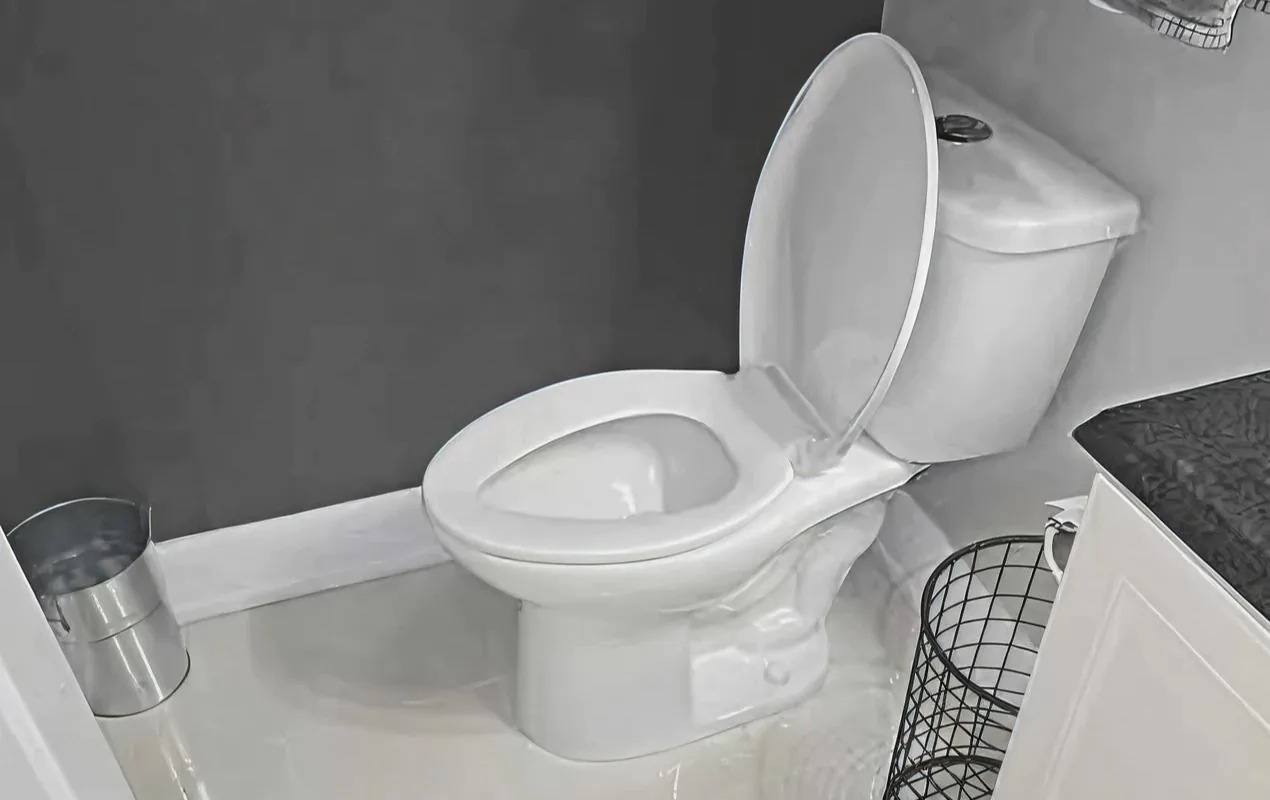
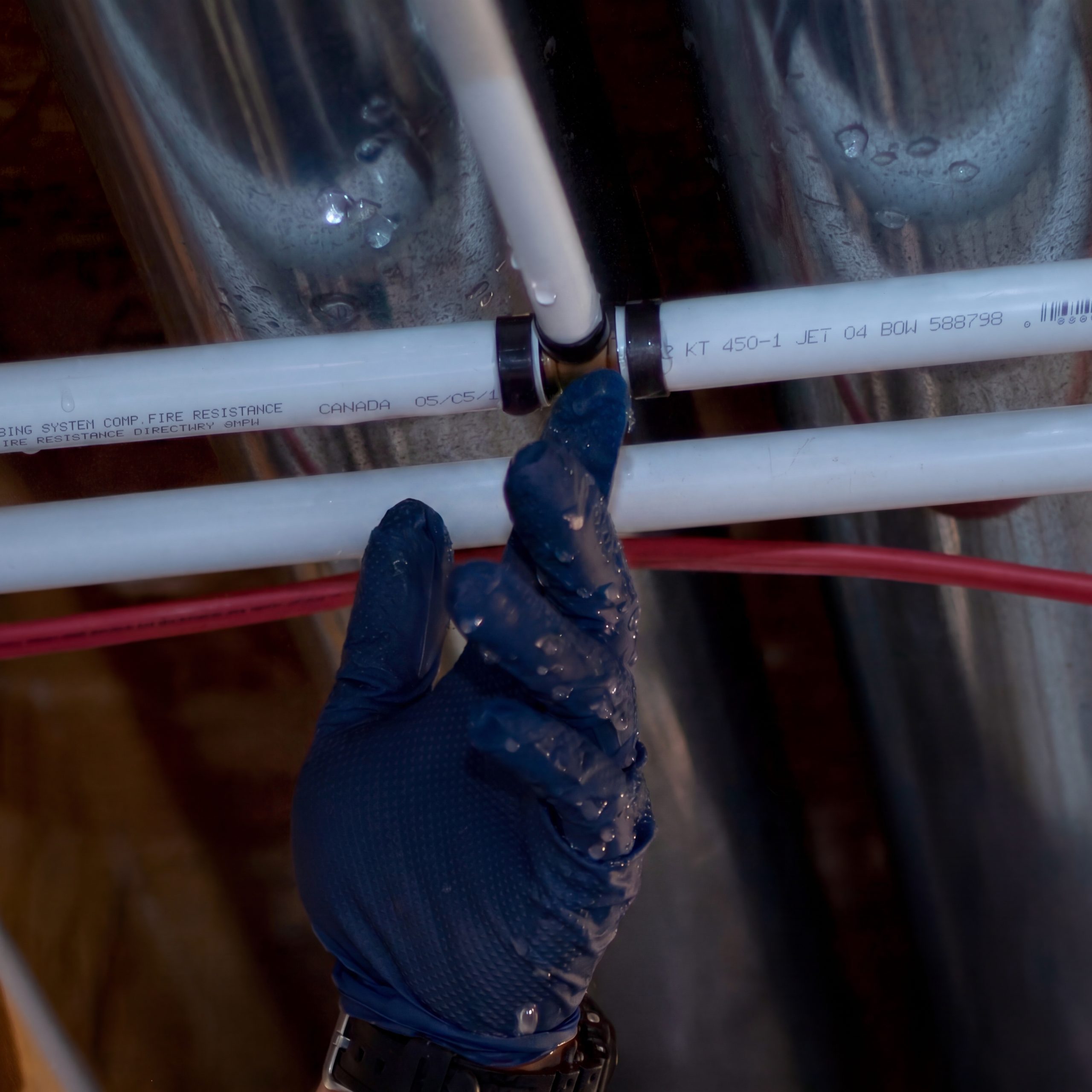
Leak detection is one of the most critical plumbing services for protecting buildings from hidden water damage, structural deterioration, and unnecessary repair costs. Unlike visible plumbing failures such as toilet clogging issues or obvious pipe breaks, leaks often develop silently behind walls, under floors, or beneath foundations. Left undetected, even a small leak can cause extensive damage to flooring, drywall, cabinetry, electrical systems, and indoor air quality.
Professional leak detection focuses on identifying the exact source of water loss without unnecessary demolition. By locating leaks early, property owners can address problems before they escalate into major plumbing failures requiring extensive sewer and drain repair, replacing toilet drain pipe, or large-scale restoration work. This targeted approach saves time, reduces disruption, and preserves the integrity of the plumbing system.
Plumbing systems operate under constant pressure, varying temperatures, and daily use. Over time, pipes, fittings, valves, and joints naturally experience wear. Small imperfections, such as pinhole leaks, loose connections, or degraded seals, may not cause immediate symptoms. Instead, water slowly escapes into the surrounding materials.
Leaks may originate from supply lines serving bathroom faucet installations, kitchen faucet installations, toilet installations, or appliances. They may also occur within drain systems serving showers, bathtubs, and sinks. In some cases, leaks develop in underground lines connected to well pump installations, sump pump services, or sewer line installations, making detection even more challenging without professional tools.
Because water follows the path of least resistance, the visible signs of damage often appear far from the actual leak source. Accurate leak detection is essential to prevent misdiagnosis and unnecessary repairs.
Many leaks provide subtle clues before causing obvious damage. Unexplained increases in water bills are often one of the first indicators. Damp or warm spots on floors, walls, or ceilings may suggest leaking supply lines. Musty odors, peeling paint, or persistent humidity can signal moisture trapped behind surfaces.
In drainage systems, slow or recurring issues such as a bathroom sink backing up, a kitchen sink backing up, or a shower sewer backup may sometimes be related to leaks rather than blockages. Water pooling near foundations or sump pits may also indicate leaks affecting groundwater control systems.
Professional leak detection carefully evaluates these symptoms to determine whether the issue originates in supply piping, drain lines, or exterior systems.
Supply line leaks are particularly damaging because they operate under pressure. A small failure in a line feeding a toilet repair, bidet installation, or bathroom faucet repair can cause a significant volume of water to be released over time. These leaks often occur behind walls or beneath floors, remaining hidden until damage becomes severe.
Leak detection professionals trace pressure loss, temperature variations, and moisture patterns to pinpoint the exact location of a leak. This precision allows repairs to be limited to the affected area rather than removing large sections of finished surfaces.
By identifying leaks early, property owners avoid the need for extensive reconstruction and reduce the risk of mold growth and structural weakening.
Leaks within the drain and sewer systems present a different set of challenges. Because these lines do not operate under constant pressure, leaks may only become apparent during use. Cracked drain pipes, loose joints, or deteriorated materials can allow wastewater to escape into the soil or into building materials.
These issues may mimic clogs, leading to repeated drain snaking or hydro jetting without resolving the underlying problem. Sewer camera inspections are often used alongside leak detection to visually confirm pipe condition and locate failures within drain and sewer lines.
Accurate diagnosis ensures that repairs address structural issues rather than symptoms, reducing the likelihood of repeated service calls.
Leaks beneath concrete slabs or underground piping systems are among the most difficult to identify without specialized techniques. These leaks may affect water supply lines connected to kitchens, bathrooms, or outdoor systems, including well pump repair and installation.
Signs of slab leaks include unexplained warm spots on floors, cracks in flooring, or persistent moisture without a visible source. Professional leak detection uses non-invasive methods to precisely locate leaks, enabling targeted repairs with minimal disruption to the structure.
Early detection is crucial, as prolonged slab leaks can compromise foundation stability and lead to costly structural repairs.
Leak detection plays an important role in evaluating sump pump repair, installation, and replacement systems. Leaks in discharge lines, check valves, or surrounding piping can reduce system efficiency and cause pumps to cycle unnecessarily.
Identifying leaks in these systems ensures that groundwater is managed effectively and prevents moisture from re-entering the foundation area. This coordination supports long-term basement dryness and reduces reliance on emergency pumping during heavy rainfall.
Without proper leak detection, plumbing issues are often misdiagnosed. Moisture damage may be attributed to faulty shower repair, a replaced shower drain, or bathroom faucet installation problems, even when the actual cause lies elsewhere in the system.
Professional leak detection eliminates guesswork by confirming the exact source of water intrusion. This accuracy prevents unnecessary services and ensures that repairs are both effective and efficient.
By addressing the true cause of the problem, property owners avoid repeated disruptions and escalating repair costs.
Older buildings and recently renovated properties both pose unique challenges for leak detection. Aging pipe materials may corrode internally, while renovation work can introduce new stress points or improperly sealed connections.
Leak detection services carefully evaluate these vulnerabilities, ensuring that both legacy and newly installed systems function as intended. This is particularly important after upgrades involving installing a bathroom sink drain, installing a kitchen sink drain, or major fixture replacements.
Proactive detection in these settings prevents post-renovation damage and preserves the value of improvements.
Leak detection is most effective when integrated into a broader preventive maintenance strategy. Regular inspections help identify early signs of wear before leaks develop into emergencies requiring frozen and burst pipe repair or extensive water damage restoration.
This proactive approach reduces downtime, lowers long-term costs, and supports consistent plumbing performance across the property.
Early Signs
Although leaks may seem minor initially, the financial
impact of undetected water loss can be significant. Increased utility bills, structural repairs, mold remediation, and repeated plumbing services all contribute to rising costs.
Professional leak detection minimizes these expenses by identifying problems early and enabling targeted repairs. Over time, this service pays for itself by preventing major damage and preserving system efficiency.
Maple Leaf Plumber’s licensed and insured professionals identify hidden leaks with careful analysis and proven technology. Our focus on dependable results and transparent service builds confidence and protects your property.

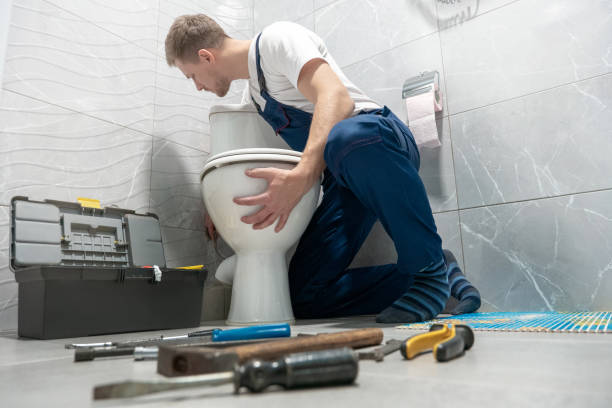 01
01
We examine:
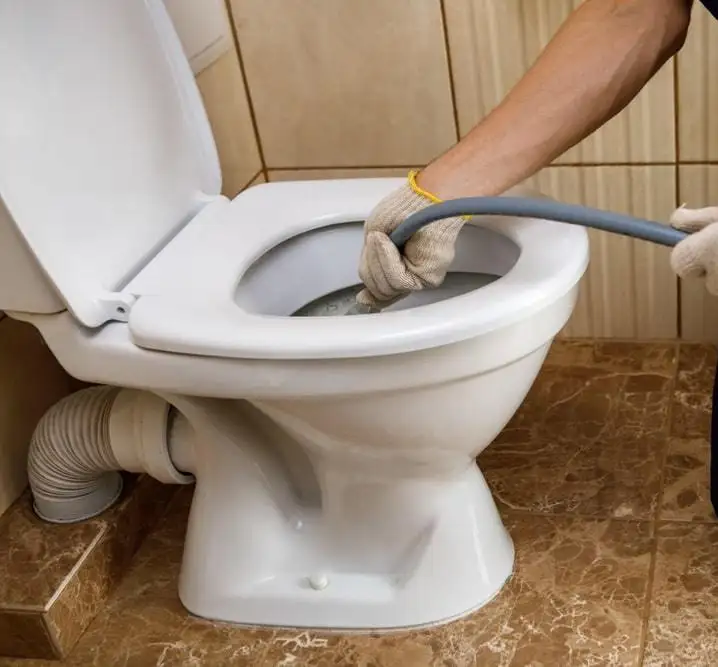 02
02 We assess:
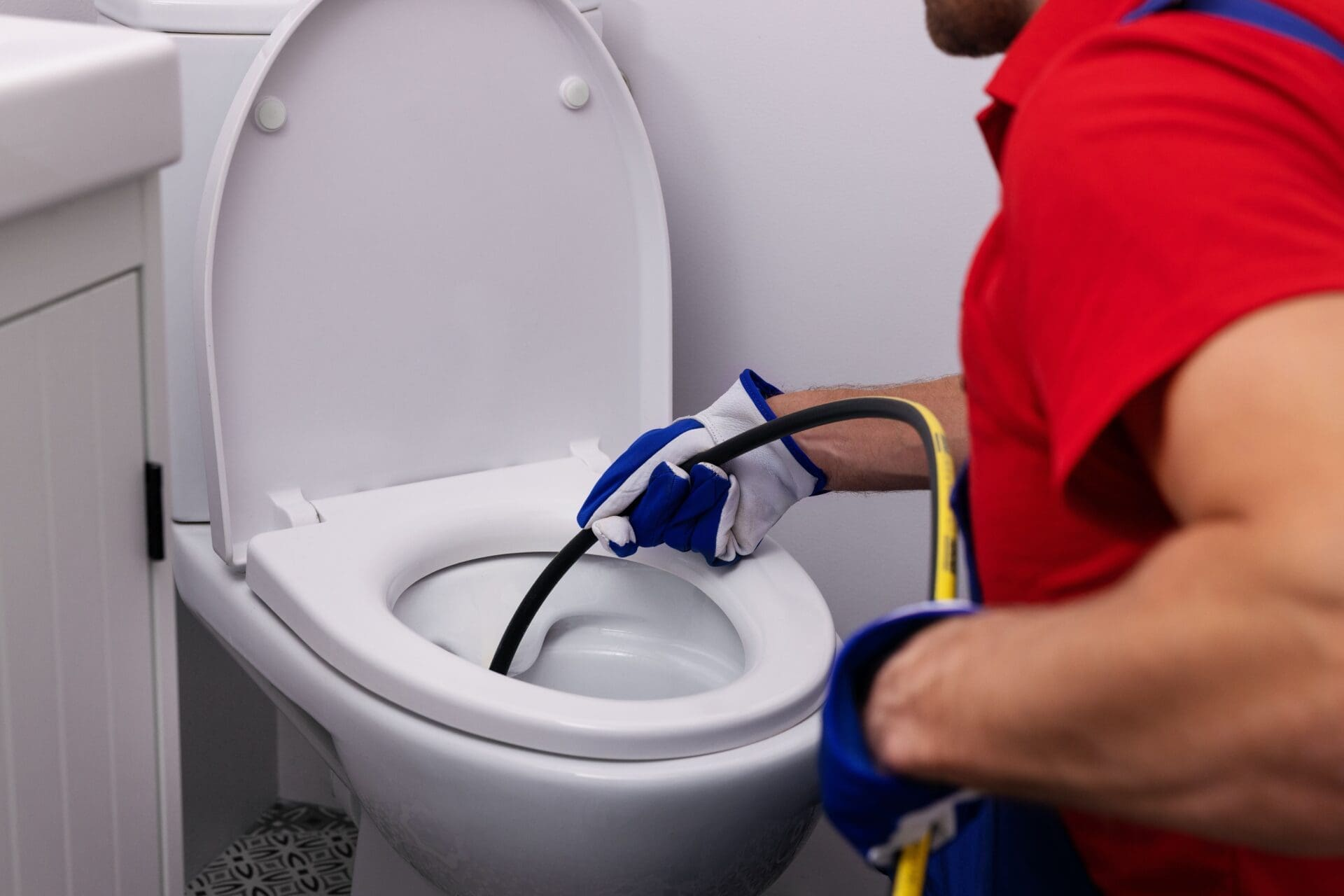 03
03 We repair or replace:
 04
04 We confirm:
Although leaks may seem minor initially, the financial impact of undetected water loss can be significant. Increased utility
bills, structural repairs, mold remediation, and repeated plumbing services all contribute to rising costs. Professional leak detection minimizes these expenses by identifying problems early and enabling targeted repairs. Over time, this service pays for itself by preventing major damage and preserving system efficiency.
Leak detection is a foundational service that protects plumbing systems, structures, and occupants alike. By locating hidden
leaks with precision, professional detection prevents unnecessary damage, reduces repair costs, and ensures long-term system reliability. Whether supporting routine maintenance, diagnosing persistent plumbing issues, or safeguarding major installations, leak detection provides clarity and control. Addressing water loss early preserves property value, maintains comfort, and delivers peace of mind through dependable plumbing performance.
Leak detection does not end once a hidden water source has been identified and repaired. The true value of professional leak detection lies in its role as a long-term protective strategy that supports the entire plumbing and drainage network. Water systems are dynamic, influenced by pressure changes, temperature fluctuations, soil movement, and daily usage. Even after a successful repair, conditions can change, making continued vigilance and preventive planning essential to avoid future damage.
This second phase of leak detection focuses on monitoring system performance, preventing repeat failures, and protecting interconnected plumbing components that depend on stable, leak-free operation.
Many leaks are symptoms of broader system stress rather than isolated failures. A repaired pipe joint or replaced valve may restore function temporarily, but if pressure imbalance, aging materials, or improper installation persist, new leaks can develop elsewhere. Professional leak detection includes evaluating overall system health to reduce the likelihood of recurring issues.
This is particularly important in properties with frequent plumbing activity, such as those requiring ongoing toilet, faucet, or drain repairs. By assessing pipe condition, joint integrity, and pressure consistency, leak detection helps ensure repairs address root causes rather than temporary symptoms.
Leaks are not limited to pressurized supply lines. Drain and sewer systems can also develop hidden failures that allow wastewater to escape into surrounding materials or soil. These leaks often go unnoticed until they cause recurring drainage problems or structural damage.
In some cases, what appears to be a simple need for drain snaking or sewer line cleaning is actually the result of a compromised pipe. Leak detection, combined with sewer camera inspections, helps distinguish between blockages and structural failures, ensuring that sewer repair or sewer line replacement is performed only when truly necessary.
This targeted approach protects the drainage system while avoiding unnecessary excavation or disruption.
Water escaping from underground pipes or drain lines can significantly affect soil conditions around a foundation. Over time, this moisture alters soil stability, increases hydrostatic pressure, and contributes to foundation movement or cracking.
Leak detection plays a preventive role by identifying subsurface leaks before they undermine structural support. This is especially important for properties that also rely on weeping tile repair, sump pump installation, or sump pump service to manage groundwater. When leaks are eliminated, these systems operate more efficiently and with less stress.
Leaks within foundation-adjacent piping can overload sump systems unnecessarily. A sump pump may cycle more frequently, leading to wear, increased energy use, and the need for sump pump repair or sump pump replacement sooner than expected.
Professional leak detection ensures that sump systems are managing groundwater as intended rather than compensating for plumbing leaks. This integration improves overall flood protection and reduces the risk of unexpected basement moisture or water accumulation.
One of the most costly consequences of undetected leaks is repeated misdiagnosis. Moisture symptoms may trigger multiple service calls for shower drain repair, bathroom sink backing up, or sewer backup in the shower, without resolving the underlying problem.
Leak detection eliminates uncertainty by confirming whether water intrusion originates from supply piping, drainage systems, or external sources. This clarity prevents unnecessary repairs and ensures that future services are both effective and efficient.
Leaks can compromise water quality by allowing contaminants to enter supply lines, especially in underground or slab-based
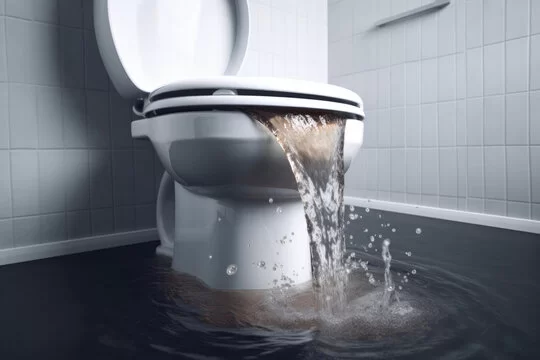
systems. Small breaches may not be immediately visible but can affect taste, odor, or safety. Leak detection, combined with water test services, helps ensure that supply lines remain sealed and protected. Maintaining water quality is particularly important for properties relying on private systems, such as well pump repair or well pump installation, where contamination risks are higher.
Undetected leaks waste significant amounts of water over time. Even minor leaks can result in substantial water loss, increasing utility costs and placing unnecessary demand on local water resources. Leak detection supports environmental responsibility by reducing water waste and improving system efficiency. For property owners, this translates into lower bills, fewer emergency repairs, and reduced long-term maintenance expenses.
While plumbing systems are largely hidden, awareness of their behavior is critical. Monitoring water usage patterns, listening for unusual sounds, and paying attention to subtle changes in pressure or performance can reveal early warning signs. Professional leak detection encourages a
proactive mindset. Periodic assessments help identify vulnerabilities before they become emergencies, reducing reliance on reactive services such as frozen- and burst-pipe repair or emergency water removal.

Our team covers cities across Ontario and nearby communities: