

Areas our Aurora plumbers serve
Our team covers Aurora and towns nearby:




 Call us and we’ll come to you (289) 277-8400


Achievements of Maple Leaf Plumber





Hundreds of verified reviews

Very quick frozen pipe repair and super respectful technician.
Very knowledgeable technician and no unnecessary upselling. Well pump repair was done properly the first time.
Needed a new drain line installed during renovations at our Elder Mills property and Maple Leaf Plumbers coordinated everything smoothly with the contractors already working there.
Good communication, honest pricing, and no more sewer smell.
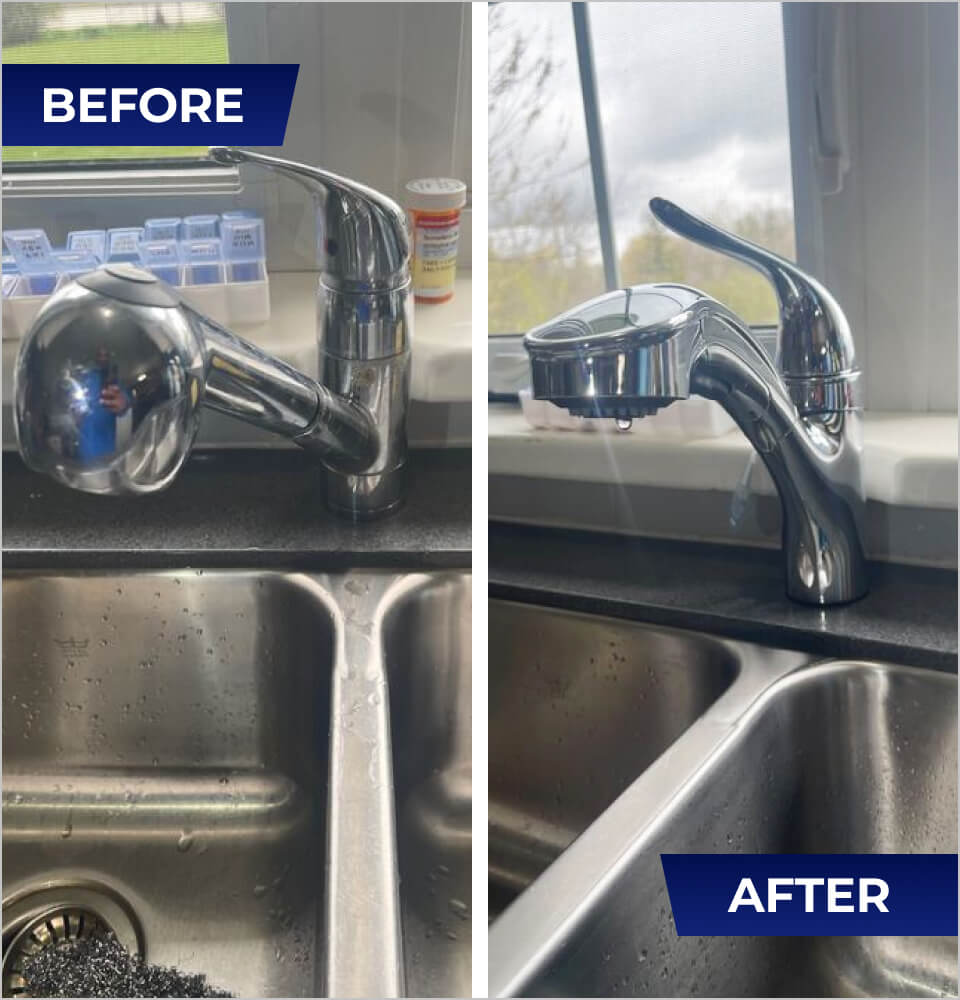
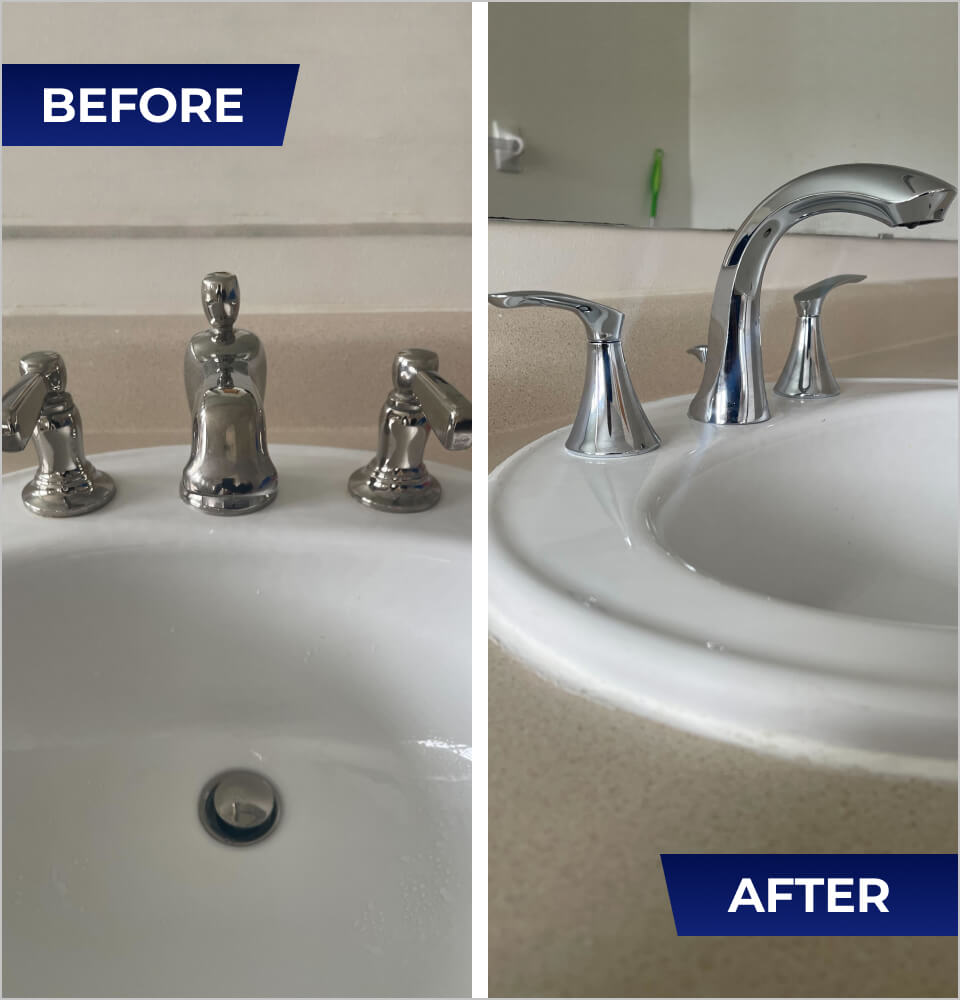
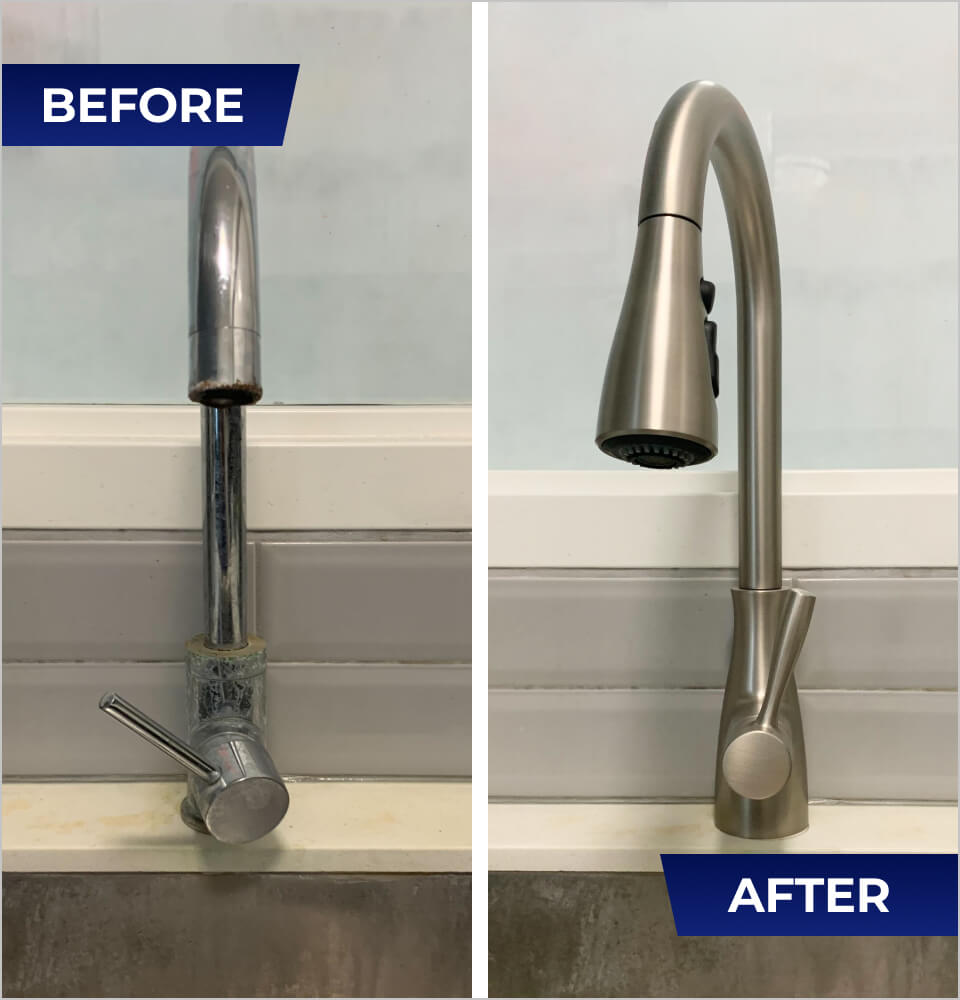
Bought a fancy kitchen faucet online and realized halfway through trying to install it that I was way over my head. The technician came to our place and had it installed perfectly.
Our office in Concord started getting a sewer smell near the washrooms and employees were complaining nonstop. Maple Leaf Plumbers cleaned the line out properly and explained exactly what caused the issue.
Reliable emergency service and the technician stayed until everything was fully checked.
We’d been dealing with slow drains for over a year at our home and nothing lasted longer than a few weeks. Hydro jetting finally solved the problem properly.
Really smooth shower repair service. Everything’s working perfectly again. The technician was fast, reliable and easy to deal with.
Our kitchen sink kept backing up every Sunday like clockwork and it was getting ridiculous. Maple Leaf Plumbers finally figured out there was a buildup deeper in the line that previous companies completely missed. Haven’t had an issue since.
We noticed part of the hardwood floor near the kitchen in our Kleinburg house starting to warp slightly. Maple Leaf Plumbers found a hidden leak before it caused major damage.
Feb 22, 2024The toilet in our basement bathroom near Maple GO station wouldn’t stop running and the noise was driving everyone insane at night. The technician fixed it way quicker than expected.
Feb 22, 2024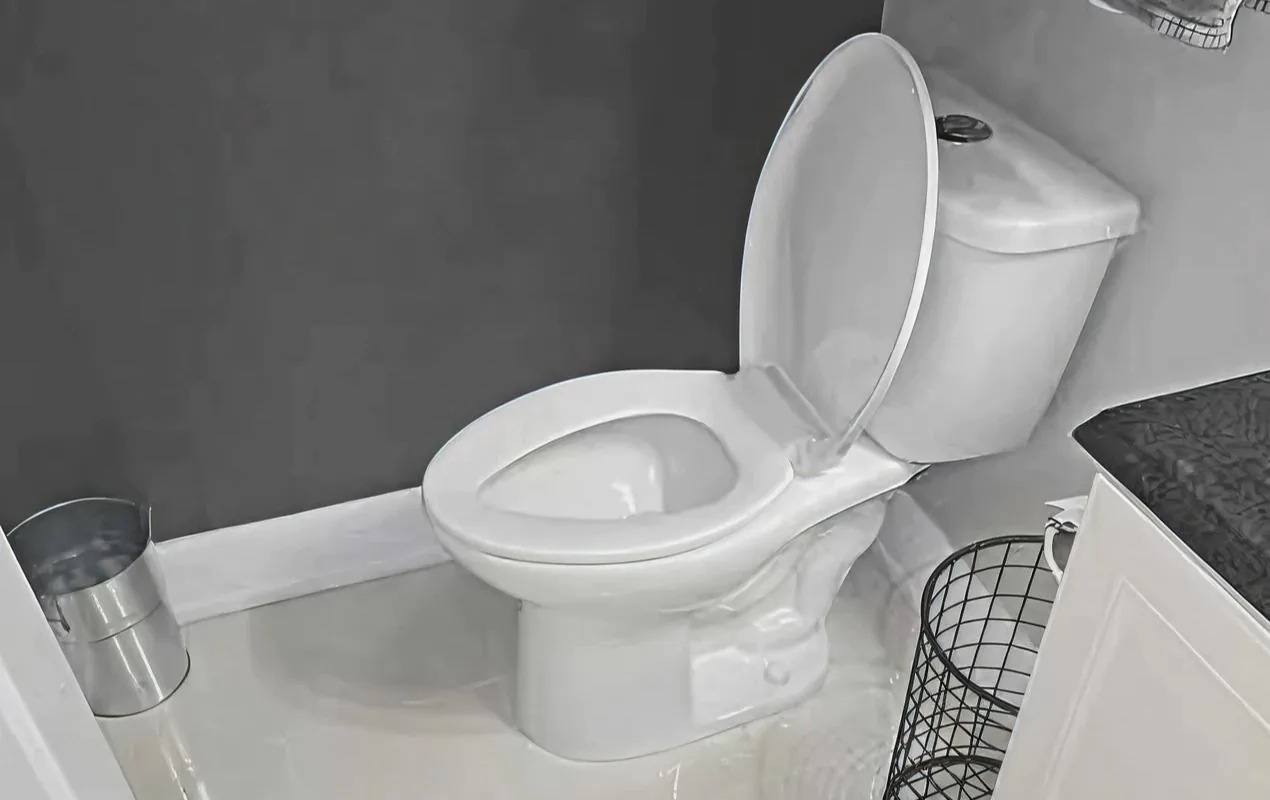
Septic system installation in Aurora is a critical infrastructure service for properties that are not connected to municipal sewer networks. A properly designed and installed septic system safely manages wastewater, protects groundwater, and supports long-term property functionality. Unlike surface plumbing work, septic installation requires careful planning, soil evaluation, system sizing, and precise integration with the home or building’s internal plumbing. When done correctly, the system operates quietly and efficiently for decades. When done poorly, it can lead to serious health risks, environmental contamination, and costly repairs that often involve sewer line replacement, sewer line cleaning, or emergency excavation.
In Aurora, where soil composition, seasonal water tables, and climate conditions vary, septic system installation must be tailored to each site. Professional Septic system installation in Aurora focuses on long-term performance, regulatory compliance, and seamless integration with existing plumbing systems to ensure dependable wastewater management from day one.
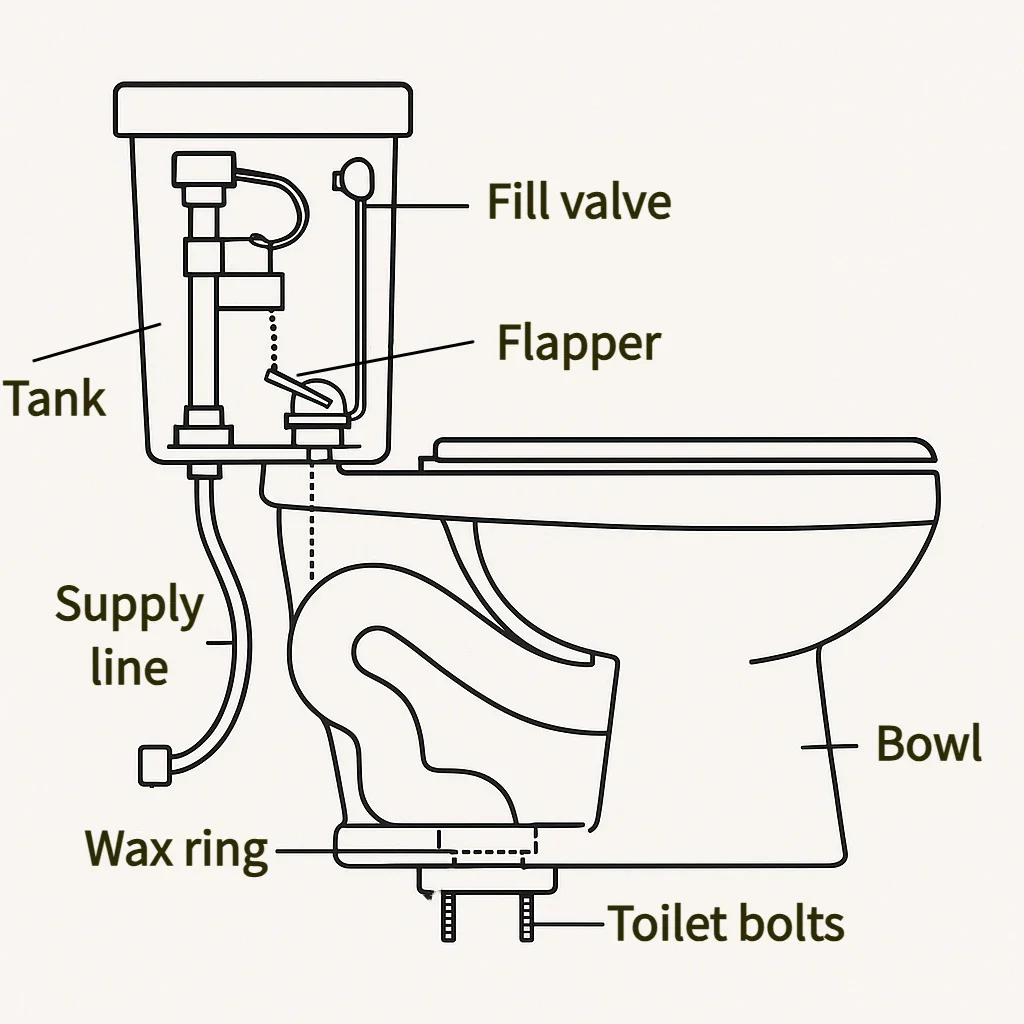
A Septic system installation in Aurora is not an isolated component; it is the final stage of the property’s drainage and wastewater pathway. Every fixture inside the building—including toilets, sinks, showers, and appliances—feeds into the septic system. Services such as toilet repair, sink repair, faucet repair, and even plumbing leaks are all connected upstream from the septic tank and drain field.
Wastewater flows from the building through the main drain line into the septic tank, where solids settle and begin to decompose. Liquids then move into the drain field, where they are naturally filtered through the soil. Proper septic system installation in Aurora ensures that this flow occurs smoothly without backups, overflows, or contamination. At Mapleleaf, poor alignment or undersized components often lead to symptoms such as slow drains, recurring clogs, or the need for frequent drain cleaning and drain snaking.
Every successful septic system installation in Aurora begins with a thorough site assessment. Soil permeability, groundwater levels, property size, and setback requirements all influence system design. In Aurora, changes in seasonal moisture levels can significantly affect how wastewater disperses underground.
If soil conditions are not properly evaluated, the drain field may fail to properly absorb effluent, leading to pooling, odors, or groundwater contamination. These failures often require invasive corrective work or even septic tank replacement later on. Professional Septic system installation in Aurora account for these factors from the start, ensuring the system matches both current conditions and future environmental changes.
Septic systems must be sized based on building occupancy, water-use patterns, and fixture demand. Homes with multiple bathrooms, frequent laundry use, or high water-use appliances place greater demand on the system. Commercial properties or multi-unit dwellings require even more precise calculations.
Undersized systems fill too quickly, causing backups that may appear as toilet clogs or drainage issues similar to those that prompt plumbing camera inspection or hydro jetting services. Oversized systems, on the other hand, can disrupt proper bacterial activity. At Mapleleaf, correct sizing during septic system installation is essential for maintaining balance and preventing premature failure.
Septic system installation must be coordinated with internal drainage piping and exterior discharge pathways. The main sewer line from the building must slope correctly, maintain proper venting, and connect securely to the septic tank inlet. Improper connections can cause leaks, blockages, or stress on the system.
Professional installers ensure compatibility with existing or planned sewer and drain installation, reducing the likelihood of future repairs. At Mapleleaf, when systems are properly aligned, the need for reactive services such as sewer line cleaning or emergency excavation is greatly reduced.
Excess groundwater and poor surface drainage are major threats to septic system performance. Water intrusion can overwhelm the drain field, dilute treatment capacity, and force wastewater back toward the building. This often presents as slow drains or backups that mimic internal plumbing issues.
To prevent this, septic system installation often considers complementary services such as weeping tile repair or proper grading around the property. These measures help direct groundwater away from the septic components, preserving system efficiency and protecting the surrounding environment.
Some properties require pump-assisted septic systems due to elevation changes or site layout. In these cases, the septic installation must be carefully coordinated with the sump pump or well pump installation, where applicable. Pumps must be sized and positioned to move wastewater reliably without excessive cycling or mechanical strain.
Improper pump integration often leads to failures that resemble sump pump repair or well pump repair issues, even though the root cause lies in system design. At Mapleleaf, professional installation ensures all components operate in harmony.
Many emergency plumbing calls originate from septic system failures that could have been prevented with proper installation. Overflowing tanks, saturated drain fields, or collapsed lines create urgent health and safety risks that require immediate attention.
By prioritizing correct Septic system installation practices, property owners reduce their dependence on emergency plumbing services and avoid disruptive, high-cost interventions. A well-installed septic system provides consistent, reliable performance even during heavy water use or adverse weather conditions.
Septic system installation must meet strict health and environmental regulations. Improper systems can contaminate groundwater, affect nearby wells, and pose risks to public health. Compliance with local codes protects not only the property owner but also the surrounding community.
Professional Septic system installation ensure all permits, inspections, and technical requirements are met. This compliance is especially important for properties that may later undergo expansion, sale, or conversion to commercial plumbing service use.
Septic system installation is easier to maintain. Access points, inspection ports, and tank placement are planned to allow routine service without unnecessary disruption. This foresight reduces long-term costs and simplifies future maintenance.
When systems are installed without consideration for accessibility, even basic service can become expensive and invasive. Thoughtful Septic system installation supports long-term care and system longevity.
Early Signs
Over time, properties may undergo renovations, additions,
or plumbing modifications, such as relocation plumbing pipes, installing new bathrooms, or upgrading fixtures. A well-designed septic system installation allows for these changes without compromising performance.
At Mapleleaf, Septic system installation consider potential future demand and design systems with capacity and flexibility in mind, reducing the need for costly upgrades later.
Maple Leaf Plumber’s licensed and insured professionals install septic systems in Aurora with careful planning and precise execution. Our focus on durability, compliance, and dependable workmanship ensures lasting system performance and peace of mind.

 01
01 
We locate the blockage in:
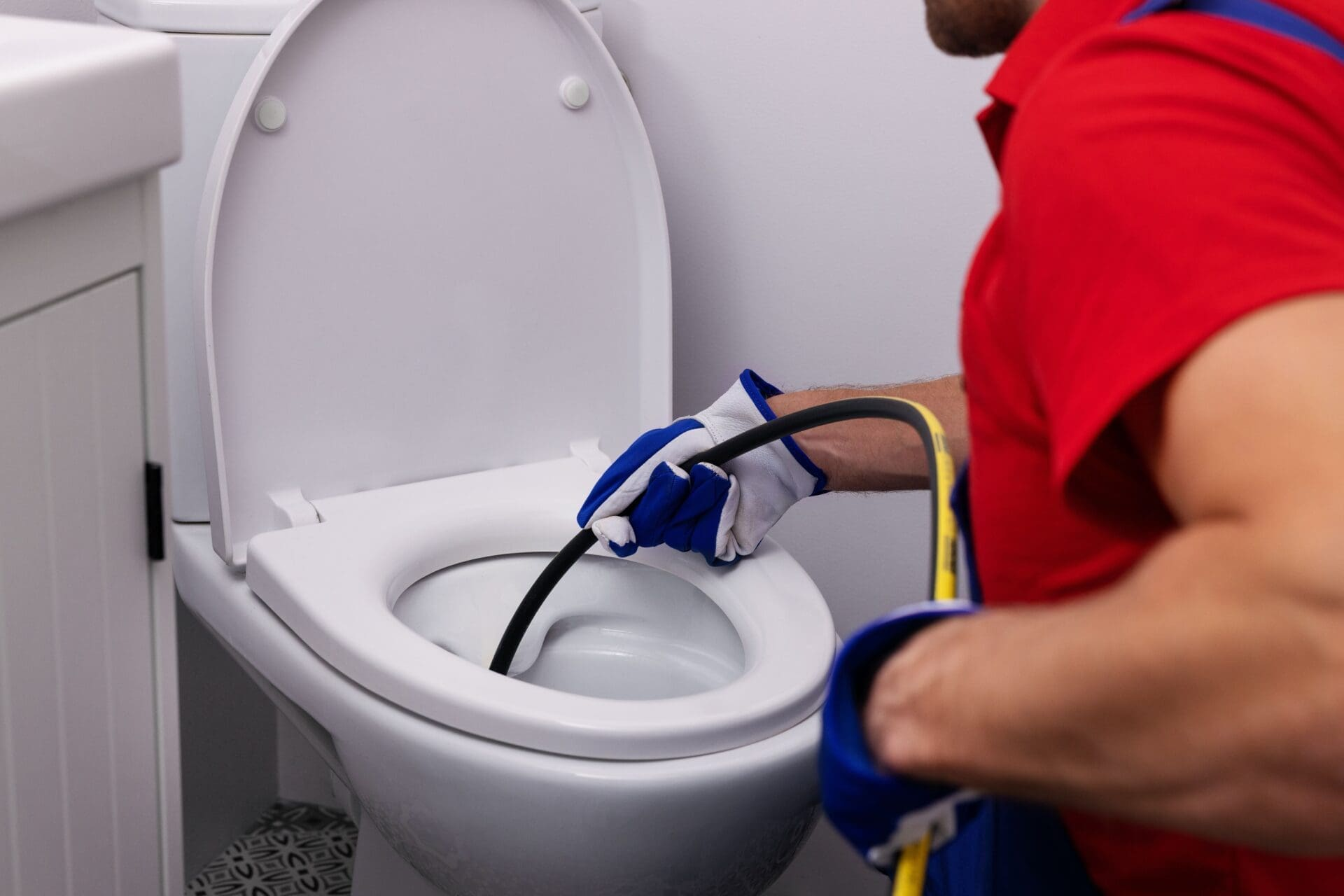 02
02 We clear the blockage:
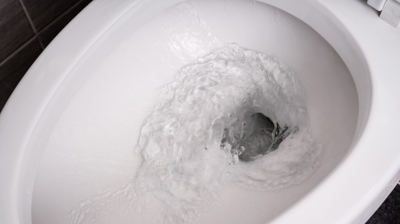 03
03 We confirm:
Septic system installation in Aurora is an investment in long-term property stability, environmental safety, and daily comfort.

When installed professionally, the system supports all upstream plumbing, prevents recurring drainage issues, and minimizes the risk of unexpected failures. By integrating proper design, soil analysis, drainage coordination, and regulatory compliance, professional septic system installation delivers dependable performance for years to come. It is not just about disposing of wastewater—it is about protecting the property, the environment, and the people who rely on the system every day.
Septic system installation in Aurora is not just about the initial setup; it is about ensuring the system continues to operate
reliably in real-world conditions for many years. After the physical installation is complete, long-term performance depends on how well the system was designed to handle usage patterns, environmental changes, and interaction with other plumbing systems. A professionally installed septic system supports consistent drainage, protects property value, and reduces the likelihood of disruptive failures that often lead to emergency excavation or extensive repairs. This second phase of septic system installation focuses on durability, system balance, and future-proofing—elements that determine whether the system remains an asset or becomes a recurring problem.
One of the most overlooked aspects of Septic system installation performance is water usage management. Septic system installation

are designed to treat and disperse a specific volume of wastewater per day. Excessive water use overwhelms the tank and drain field, reducing treatment efficiency and increasing the risk of backups. When a Septic system installation is installed correctly, it is calibrated to work in harmony with household or building water demand. High-use fixtures, frequent laundry cycles, or multiple bathrooms all influence system load. If water use is not considered during installation, symptoms such as slow drains, gurgling pipes, or recurring clogs may appear—often leading to unnecessary drain-cleaning or drain-snaking calls that do not address the underlying issue. At Mapleleaf, Professional Septic system installation ensures the system can manage expected water volumes while maintaining proper retention time in the tank for effective waste breakdown.
Backups are among the most serious failures of septic systems. When wastewater cannot exit the building efficiently, it may surface through floor drains, toilets, or showers. These events pose health risks and can cause extensive property damage. Septic system installation
The drain field is one of the most sensitive components of a Septic system installation. Its ability to absorb and filter wastewater depends on soil structure and permeability. Compaction, vehicle traffic, or improper landscaping can damage the drain field, severely
reducing system performance. Professional septic system installation includes guidance on protecting the drain field area. This may involve restricting heavy loads, managing surface water, and preventing root intrusion. Failure to protect the drain field often results in saturation, odors, or visible pooling, eventually requiring corrective work similar to sewer line replacement or partial system reconstruction. Preserving the drain field ensures wastewater is treated naturally and safely without contaminating the surrounding land or groundwater.

Our team covers Aurora and towns nearby: